
Musk says AI rivals are 'hounded relentlessly' to rent SpaceX's compute
SpaceX will keep half its compute for internal AI projects and rent the rest at spot rates, betting the super-intelligence shortage will last.
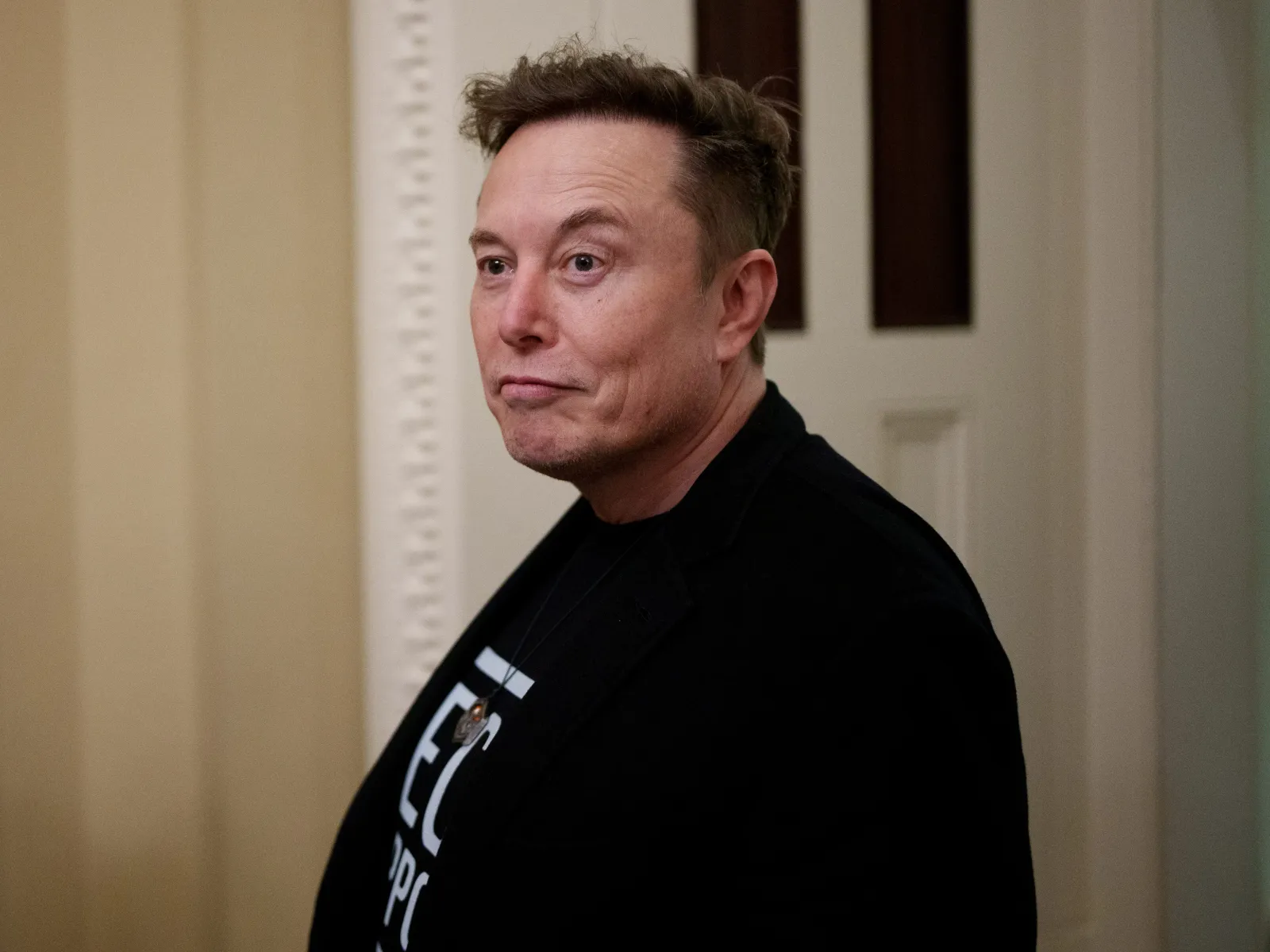
Elon Musk told investors on SpaceX's third-quarter earnings call that AI rivals are 'hounded relentlessly' to rent the company's compute, which it could rent out 'several times over' if it accepted everyone. SpaceX will reserve roughly half its compute for internal AI work and rent the rest at spot-market rates, a strategy that signals tightening supply for AI infrastructure.
Elon Musk, SpaceX's CEO, told investors on the company's third-quarter earnings call Tuesday that AI rivals are "hounded relentlessly" to rent SpaceX's compute. He said the company could rent out its compute "several times over if we said yes to everyone," but it is deliberately holding back capacity for its own AI ambitions.
SpaceX plans to split its compute roughly evenly between internal uses and third-party renters, with the balance shifting month to month. Musk said the company will rent at "the spot market rate" rather than sign long-term deals, a bet that compute value will keep climbing as AI models improve and generate "more useful intelligence per watt."
The demand is so intense that SpaceX has tried to offload some inference compute to other cloud providers to free up capacity for training, only to get what Musk called the "cheese shop sketch" - a Monty Python reference where a customer finds every cheese unavailable. "We get the cheese shop sketch," he said, meaning no cloud provider has spare compute to take.
This is not just a SpaceX problem. Musk said rental rates for older Nvidia H100 chips have already climbed from their original levels, and he expects that trend to continue. "I think we're going to face a shortage of super intelligence compute," he said. "And that shortage is going to remain for a long time."
The comments came during SpaceX's third-quarter earnings call, a rare window into the private company's strategy. SpaceX is not typically seen as a compute provider; it is a rocket and satellite company that has built a massive AI infrastructure to support its own projects, including the Grok chatbot and Cursor, a coding startup it recently acquired. By renting out half its capacity, SpaceX is effectively becoming a merchant supplier of AI compute, competing with the very hyperscalers that are begging for access.
The strategic logic is clear. By renting at spot rates instead of locking in long-term contracts, SpaceX is betting that the value of compute will rise as AI models become more efficient and capable. Musk said the value of compute is "proportionate to the useful intelligence per watt," meaning that as models get better at converting electricity into intelligence, the same hardware becomes more valuable. That is a contrarian view in an industry where many companies are signing multi-year deals to secure capacity. Spot pricing is typically more volatile, but Musk seems confident that the trend is upward. He noted that rental rates for older Nvidia H100 chips have already climbed, and he expects that to continue. This suggests that even as newer hardware arrives, the demand for compute is so high that prices will keep rising.
For hyperscalers and AI startups, this is a warning shot. If SpaceX, a company with no legacy cloud business, can command premium spot prices for its compute, the market is telling you that supply is tight and getting tighter. Musk's comments suggest that even the biggest players are struggling to find capacity, and that the shortage will persist for years. That has implications for anyone building AI products: expect to pay more for compute, and expect to wait longer for access. For startups, this means that the cost of training and running AI models is likely to go up, which could squeeze margins and force consolidation. For hyperscalers, it means that their capital expenditure plans may need to be even more aggressive to secure supply.
The bigger picture: SpaceX's move is a reminder that AI compute is becoming the new oil, and the companies that control it hold enormous leverage. Musk's decision to reserve half for internal use even as rivals beg for access shows that vertical integration is winning. For CEOs and boards, the takeaway is to treat compute as a strategic asset, not a commodity. If you don't secure your own supply, you'll be at the mercy of whoever has the chips. The lesson for boards is to evaluate compute as a critical resource, similar to how they would assess access to capital or talent. Companies that can secure their own compute, either through direct ownership or long-term partnerships, will have a competitive advantage.
This story's Key Insights and Take-aways are locked.
Create a free account to unlock Executive Actions for one credit.
Register to UnlockAlways free for Executives Club members. Join the Club
More in Business

BioWare shuts down, Mass Effect 5 dead after $55B EA buyout
The legendary RPG studio's closure lands months after a $55 billion investment group buyout of EA, raising tough questions for gaming's biggest acquirers.

Musk barred from the room as Tesla, SpaceX boards weigh $3.5 trillion merger
The CEO of both companies is a 'conflicted party' watching independent directors negotiate a tie-up that would create a $3.5 trillion giant he would own about a third of.

Elon Musk just showcased a flying car - and it wasn't at Tesla
The Tesla CEO's latest reveal came at SpaceX, not Tesla, signaling where vertical mobility is headed.