

Nandan Nilekani exits GP role at Fundamentum as $200M third fund launches
What Nilekani’s move signals for Fundamentum’s AI and fintech push, leadership structure, and investors watching India’s startup market.
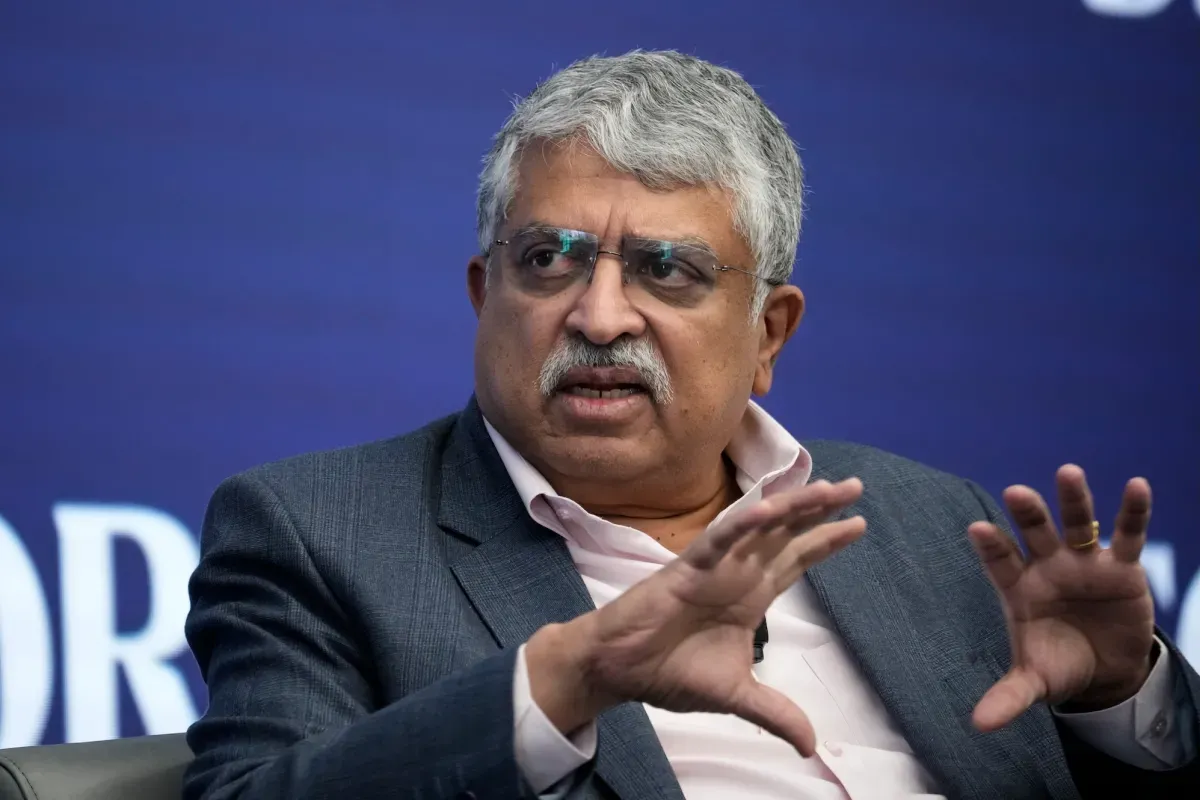
Nandan Nilekani has left his GP role at Fundamentum as the firm launches its $200M third fund. Fundamentum says Nilekani will remain its anchor investor as it expands its leadership team and targets AI and fintech startups in India.
Nandan Nilekani is stepping back from day-to-day general partner duties at Fundamentum. The tech and finance headline reads cleanly, but the subtext matters: Fundamentum is launching a $200M third fund, and Nilekani is staying close as an anchor investor even after leaving the GP role.
So what exactly changed? Fundamentum’s leadership structure is evolving at the same moment the check size gets bigger. Nilekani is no longer in the GP seat, but the firm explicitly keeps him as its anchor investor. That combination, anchor plus reduced operating role, is the kind of governance signal institutional investors read closely when a fund scales and starts aiming at new sectors.
To understand why this matters, it helps to recall how venture leadership typically behaves when a firm raises a larger vehicle. A third fund is not just another “we are continuing to invest” announcement. It usually implies the existing thesis is holding up, the firm has enough track record to raise bigger, and the team needs bandwidth for a wider set of opportunities. When a founding-level figure like Nilekani changes titles, investors do not only ask “is he still involved?” They ask “how is decision-making organized now?” Fundamentum’s move gives a classic answer to that question: Nilekani remains an anchor, but the GP role is where execution happens. That often means Fundamentum wants a leadership team that can run deal sourcing, partner coordination, and portfolio support at a higher tempo while keeping credibility with limited partners anchored by Nilekani’s presence.
The strategy they point to is also specific enough to matter to anyone allocating capital into India. Fundamentum is targeting AI and fintech startups in India. That is a familiar investment crossroads in 2024 and beyond: AI gets deployed through products, and fintech is one of the biggest theaters for real-world distribution, data, and regulatory navigation. In plain English, the promise is that AI is not just a lab demo, and fintech is not just “payments.” If you can pair model and product with regulated rails, you can build durable businesses. The investor challenge is that both AI and fintech have fast-moving technical risk and high compliance complexity. So leadership design becomes part of risk management.
Regulatory framing is a big part of the fintech risk equation, even when companies are early. India has an evolving regulatory landscape for financial services and for how digital products interact with customer data, payments, and financial intermediation. That environment tends to reward teams that can work through governance, partner with compliance-aware operators, and respond quickly as guidance changes. Venture funds that claim focus on fintech usually end up needing the right operator mindset on the investment side. When a prominent investor like Nilekani shifts away from GP responsibilities while remaining an anchor, it can be a way to keep the firm’s relationship and credibility while letting other leaders take on the operational burden of diligence across more companies, more geographies, and more complex regulatory scenarios.
Meanwhile, this launch is the kind of expansion signal that other founders and investors watch in real time. A new, bigger fund affects pricing and availability. It can mean more follow-on capacity for portfolio companies. It can also mean competition for the best deals as other firms try to defend market share. For startups in AI and fintech in India, a $200M third fund can translate to more room to fund the hard middle: hiring engineers and compliance talent, integrating with incumbents, and pushing pilots through to scalable distribution. The catch is that larger funds also create heavier expectations around performance and deployment speed. If leadership is being reorganized, startups will want clarity on who leads which investments, how quickly decisions move, and how the firm plans to support companies post-check.
For limited partners and board observers, the governance story is the second-order effect hiding in the headline. Remaining an anchor investor suggests Nilekani’s conviction is not going away. Leaving the GP role suggests Fundamentum wants to professionalize execution beyond one person. That can be healthy, but it also puts more pressure on the rest of the leadership team to deliver. Fundamentum says it is expanding its leadership team, which fits the “we are going bigger and doing more” logic behind a new fund. In other words: the firm is trying to keep the credibility of its original magnetic center while building a team that can scale.
The real stake for decision-makers in similar roles is simple. If you are an investor, founder, or operator looking at India-focused venture platforms, you should read leadership transitions as strategy statements. Anchor investor continuity can reassure, but GP changes can also reveal where control, risk, and execution are moving. Fundamentum’s $200M third fund, with Nilekani still anchoring but not running GP duties, is a play to scale into AI and fintech. It is the kind of move that can reshape deal flow, follow-on funding, and competitive dynamics across the sectors that matter most right now in India’s startup ecosystem.
This story's Key Insights and Take-aways are locked.
Create a free account to unlock Executive Actions for one credit.
Register to UnlockAlways free for Executives Club members. Join the Club
More in Business

AstraZeneca $27B wipeout as Wainua late trial misses cardiovascular target
A failed late-stage heart study triggered a swift market punishment, forcing investors and boards to reset timelines and risk.

Comcast shares jump 25% as it plans to split NBCUniversal and Sky
The tax-free spin-off could reshape focus, funding, and competition across media and tech for years.

Bungie cuts most Destiny 2 staff as Sony says Marathon still matters
Herman Hulst confirms layoffs affecting most Destiny and some Marathon teams after Bungie admits Destiny fell short.