

NASA and SBA launch SBIC-NASA Initiative, targeting $60% fund bets on Moon-and-Mars tech
A new NASA Office of Strategic Capital pipeline will steer at least 60% of SBIC-NASA fund capital into NASA focus areas.
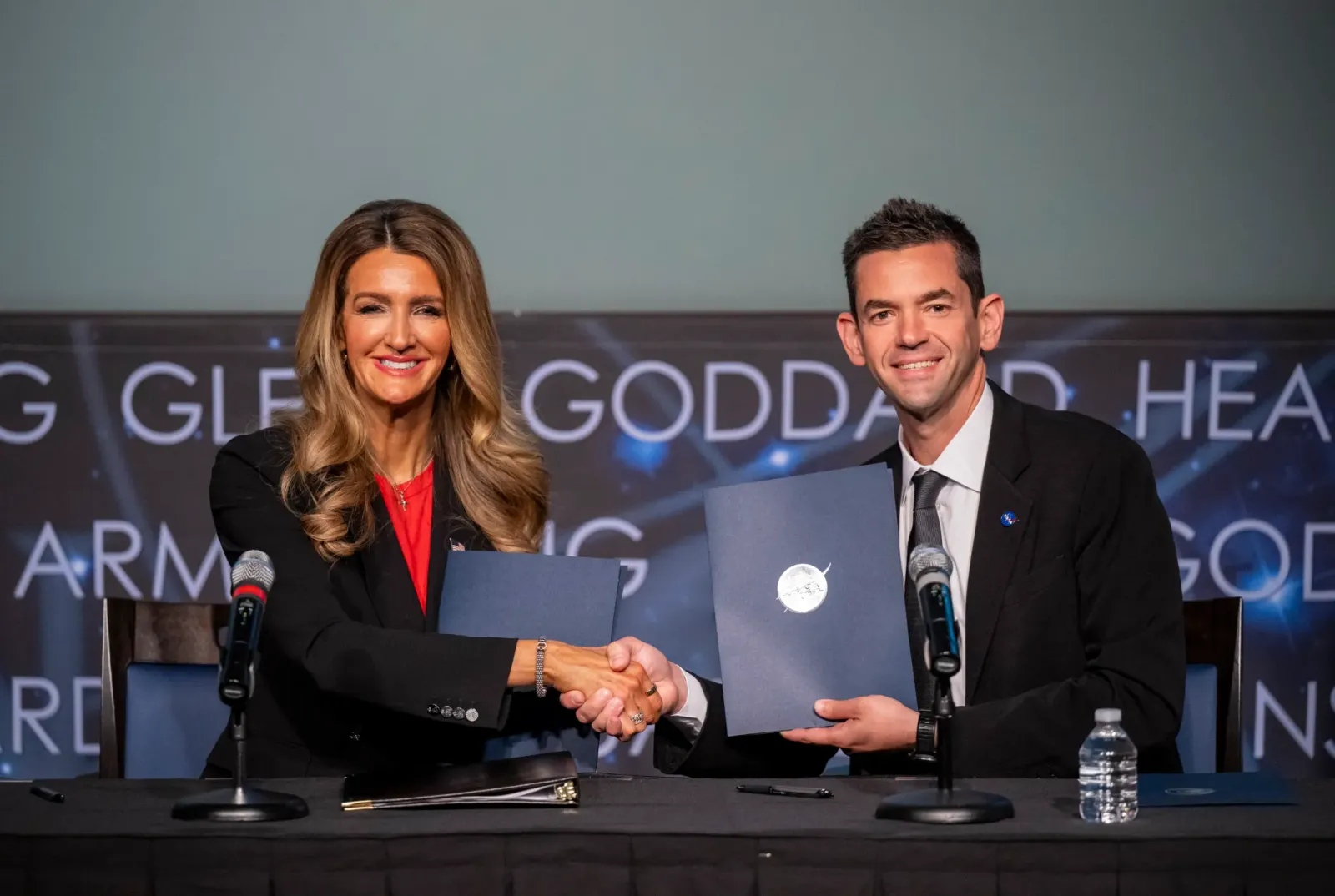
NASA Administrator Jared Isaacman and SBA Administrator Kelly Loeffler signed a Memorandum of Agreement Monday, June 29, 2026, to launch the SBIC-NASA Initiative. The partnership routes small-business investment leverage toward American suppliers and technologies for sustained presence on the Moon and Mars.
NASA and the U.S. Small Business Administration (SBA) launched the SBIC-NASA Initiative on Monday, June 29, 2026. The centerpiece is simple but powerful: under the SBA’s Small Business Investment Company (SBIC) structure, the initiative aims to ensure participating investment funds commit at least 60% of their capital to NASA-identified technology focus areas.
The paperwork was signed by NASA Administrator Jared Isaacman and SBA Administrator Kelly Loeffler during an event at the Mary W. Jackson NASA Headquarters building in Washington, and it is explicitly tied to NASA’s new NASA Office of Strategic Capital. Under the Memorandum of Agreement, NASA will identify technology priorities, then connect businesses to funding opportunities through that Office. In other words, NASA is not just saying “we want capability.” It is shaping where capital gets deployed, using SBA’s investment-leverage machinery to try to move faster.
If you are an executive who cares about industrial capacity, this is the kind of program that changes incentives upstream. NASA frames the goal as supporting a sustained presence on the Moon and Mars, and it’s doing so by increasing investment in American manufacturers of industrial components and providers of technologies critical to space exploration. That matters because space programs typically depend on a long chain of suppliers: propulsion, power, materials, avionics, and even “non-glamorous” infrastructure. When those parts lag, schedule risk becomes engineering risk, and engineering risk becomes budget and political risk.
The SBA’s SBIC Program is designed to do more than hand out grants. It provides leverage that matches private capital raised by investment funds, with the stated intent to enhance fund-level investment returns. In the SBIC-NASA Initiative, NASA’s role is to define “strategic aerospace technology focus areas and identify supply chain needs,” while the SBA role is to attract and license qualified private investment funds. Those funds then must commit to invest at least 60% of their capital into NASA-identified focus areas. This requirement is doing the heavy lifting: it reduces the odds that “space” becomes a broad, unfocused basket, and it pressures funds to align their portfolio construction with the national space technology agenda.
Here are the NASA-identified focus areas listed in the announcement. The capital is intended to flow into: Energy production, infrastructure, and storage; Nuclear power and propulsion; Advanced software, avionics, and communications systems; Specialized materials and components; Inhospitable environment infrastructure; Scaled launch infrastructure; and Biomedical and life support technology. Notice the mix. It is not only about rockets or landers. It’s also about power and endurance, communications and control systems, materials that can survive harsh environments, and the infrastructure needed to operate where it is not comfortable, not forgiving, and not easily repaired. For leaders looking at risk, this breadth signals where NASA believes the bottlenecks really sit.
NASA Administrator Isaacman connected the approach to the pace of what he called a “new space race.” He said, “To achieve President Trump’s National Space Policy, NASA needs a stronger industrial base capable of moving at the speed this new space race demands.” He added that, through the NASA Office of Strategic Capital, the partnership with the SBA will help small businesses access the capital they need to scale, strengthen critical supply chains, rebuild America’s industrial might, and deliver outcomes necessary to ensure the United States leads the next era of space exploration. SBA Administrator Kelly Loeffler echoed the supply-chain framing from the finance side, saying the SBA and NASA are “partnering to supercharge the industrial base behind our space program” and connect innovators building critical technologies with needed capital.
So what does this mean for peers who sit on boards, fund strategies, or corporate partnerships? First, it raises the probability that “strategic capital” and “strategic supply chains” become operationally linked, not just rhetorically linked. Second, it creates a clearer map for how private funds might choose winners in aerospace by forcing a NASA-aligned allocation constraint: invest at least 60% into specified areas. Third, it implies that, as NASA identifies priorities, the feedback loop between technology roadmaps and investment deployment could tighten, shifting time horizons for executives in small manufacturing and tech-enabled supply.
For anyone tracking the American space economy, the SBIC-NASA Initiative is essentially a channeling mechanism. It uses SBIC leverage to augment investable capital for SBA-licensed investment funds, expanding access to capital for small businesses within the space industry. NASA and SBA are making that “where money goes” question part of the policy toolkit to support sustained Moon and Mars presence, and that is a second-order change with first-order consequences: industrial capacity is only as fast as the capital markets and supply chain alignment behind it.
This story's Key Insights and Take-aways are locked.
Create a free account to unlock Executive Actions for one credit.
Register to UnlockAlways free for Executives Club members. Join the Club
More in Business
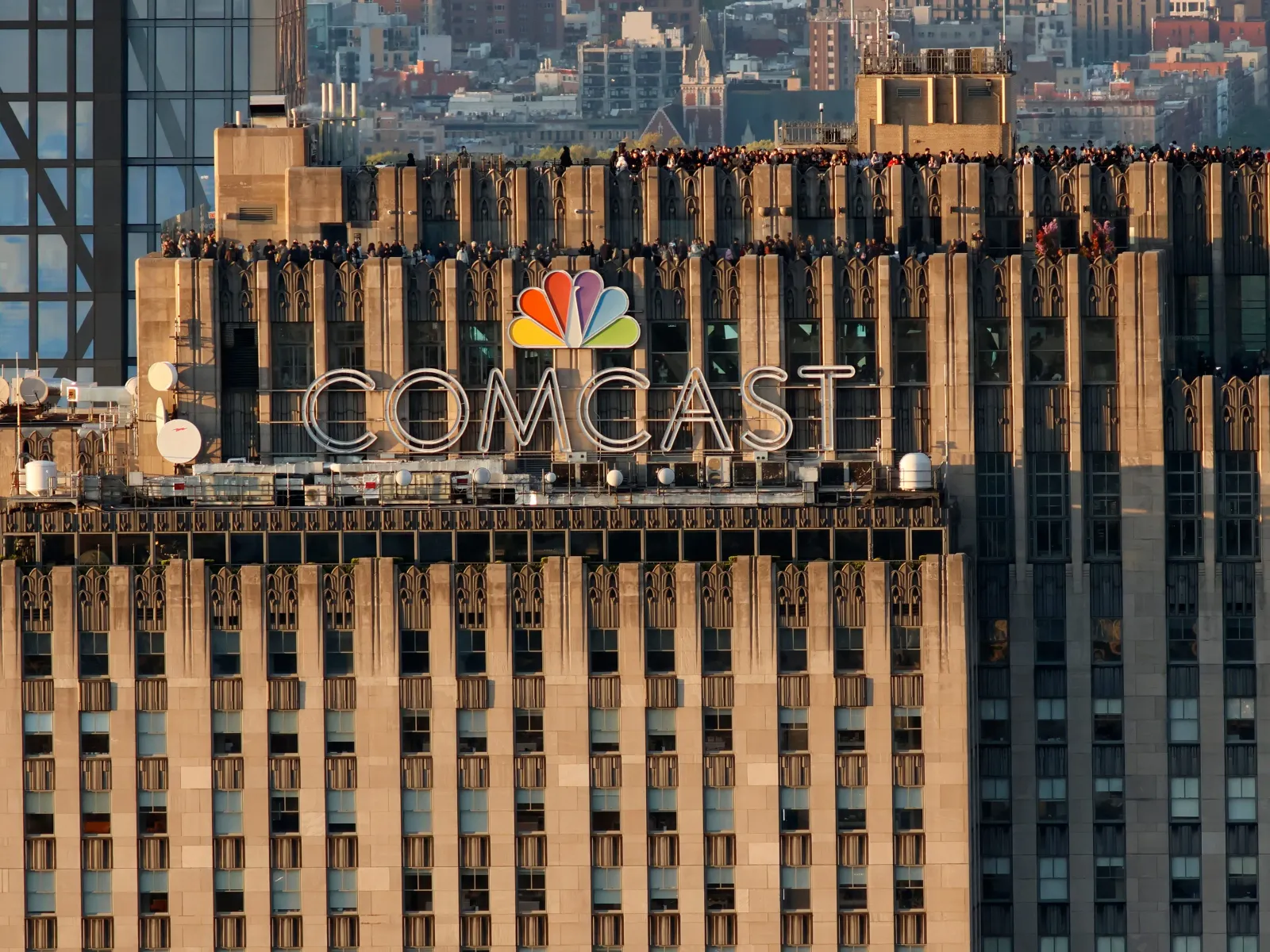
Comcast shares jump 25% as it plans to split NBCUniversal and Sky
The tax-free spin-off could reshape focus, funding, and competition across media and tech for years.

Bungie cuts most Destiny 2 staff as Sony says Marathon still matters
Herman Hulst confirms layoffs affecting most Destiny and some Marathon teams after Bungie admits Destiny fell short.

SK Hynix jumps 11% after seeking up to $29.4B in Nasdaq listing
The chip giant filed for a Nasdaq listing plan that could raise $29.4 billion, instantly reshaping investor expectations.