

NASA rejects flight surgeon Anil Menon again, but he later gets to space
A NASA flight surgeon describes nine years of rejection, then the improbable turn that changes how we think about pathways.
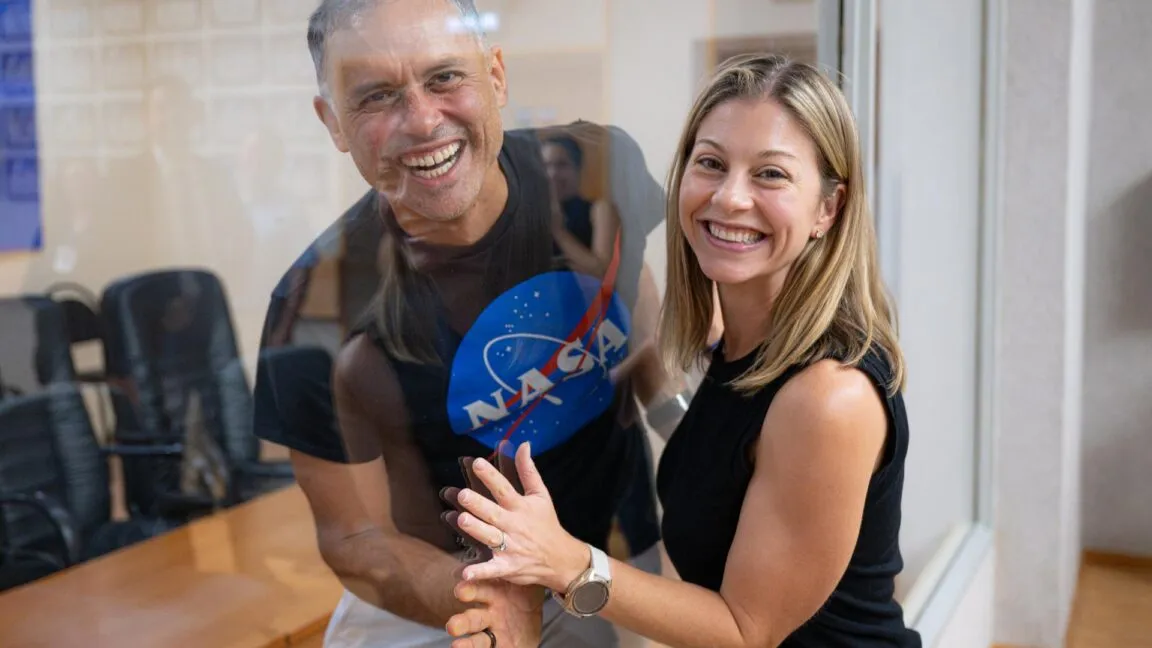
Anil Menon, a NASA flight surgeon, said that after his fourth astronaut application rejection, he gave up because he saw “zero percent” chance. For decision-makers, his arc highlights how rigid talent pipelines, selection incentives, and alternative routes can reshape workforce planning.
Anil Menon is a NASA flight surgeon who has the kind of job title that sounds close to the center of the action, yet nine years ago his dream still got denied. The reason is blunt: for the fourth time, he applied to become an astronaut, reached the final round, and then NASA rejected him at the end of the grueling process. Menon later described the moment his hope finally collapsed into something like certainty. “I was so sad, and I admitted defeat,” he said. “I just did not see a pathway forward.” Then came the line that frames the entire story: “So I pretty much, at that point in time, gave up on being an astronaut. I thought there was a zero percent chance.”
That “zero percent” belief matters because it shows how hard these systems can feel to individuals who are actually living inside them. Menon was not guessing from the outside. He went through the process enough times to know what the rejection felt like, and he made it far enough each round that the final cut was especially brutal. He reached the last stage, then still got turned away, four separate times. His emotional math was not about motivation. It was about observed outcomes. “So I pretty much... gave up,” he said, because he “did not see a pathway forward.” In other words, the bottleneck was real, and the numbers were psychological even if the exact selection rate is not stated here.
Now zoom out to why this is interesting beyond one person’s story: NASA's astronaut pipeline is essentially a high-stakes talent funnel with intense screening, intense training timelines, and a need to balance multiple competencies. Typically, people assume the pipeline is mostly technical qualifications. But the lived experience here underscores another factor executives and operators know well: selection processes also communicate opportunity. When the same candidate makes it to the final round repeatedly and still ends up rejected, it signals that the organization has not found a fit, or that available slots, timing, or risk tolerances did not align. That is not just personal disappointment. It is information about how the institution allocates rare opportunities.
For boards, HR leaders, and executives at companies that build talent pipelines, this is a reminder that “no” in a selection process can function like a long-term forecast to the person receiving it.
This story's Key Insights and Take-aways are locked.
Create a free account to unlock Executive Actions for one credit.
Register to UnlockAlways free for Executives Club members. Join the Club
More in Technology

Google quietly links your phone number to every Android account on your SIM
Adding a SIM now ties your phone number to all Google accounts - and future accounts inherit it. Here's the security and privacy stakes.

Hijacker AI 'Skynet mode' runs 100,000 attack steps against exposed models
Symantec caught a criminal AI agent that borrows other models, steals data, and mines crypto; the only relief is no confirmed victims yet.

Nvidia's AI-financier shift faces its first big test as neoclouds stumble
A rout in neocloud stocks is forcing investors to weigh Nvidia's hidden exposure as both supplier and lender to the AI buildout.