

NASA's Perseverance Rover Sets Mars Driving Record on Self-Driving Tech
The rover's new distance milestone shows how autonomous navigation is accelerating Mars exploration, and what it means for future missions.
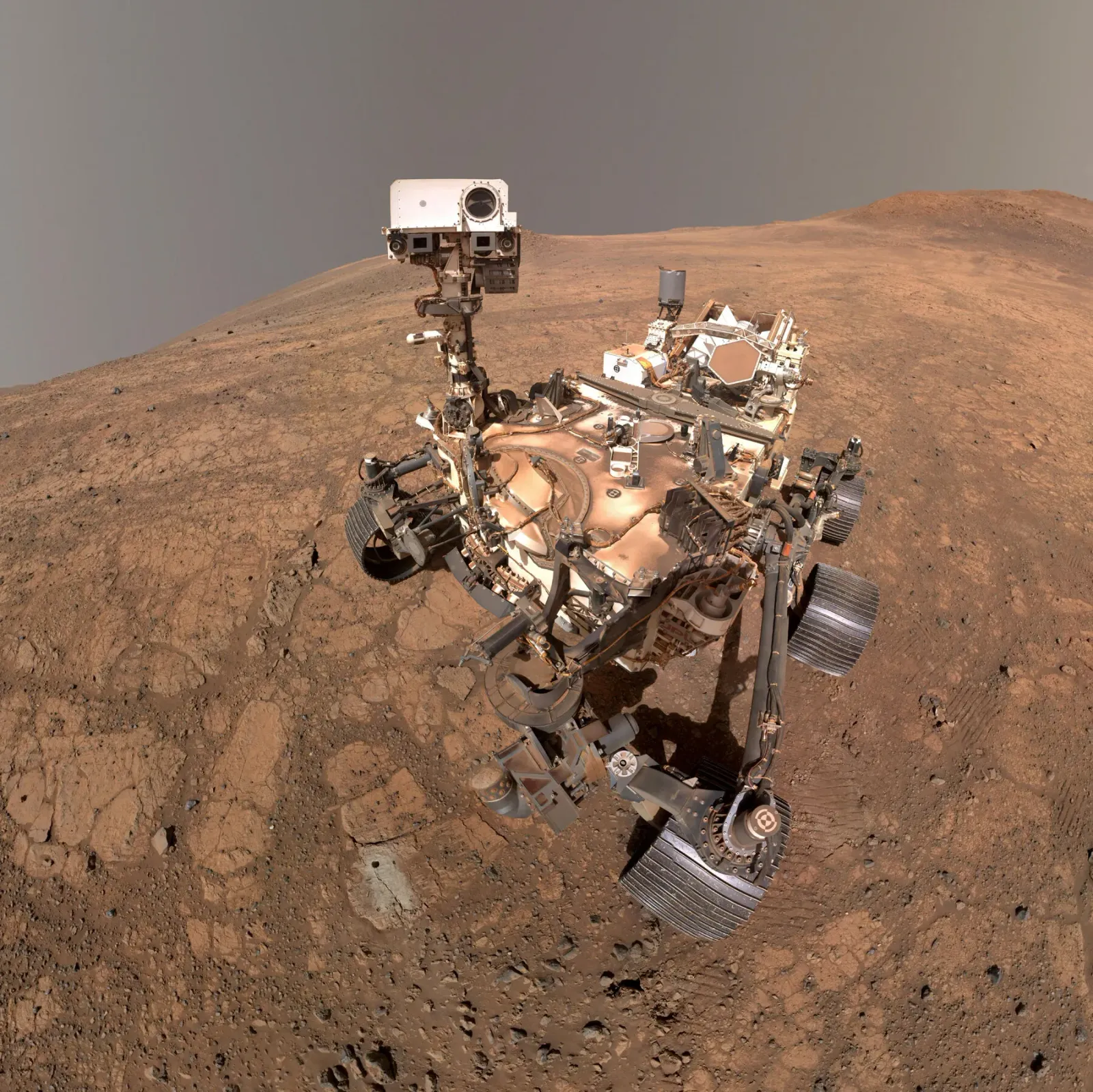
NASA's Perseverance rover set a new driving record on Mars, powered by advances in self-driving technology. The milestone demonstrates how autonomous navigation is enabling faster, safer exploration and reducing the need for constant human oversight.
NASA's Perseverance rover has set a new driving record on Mars, a feat made possible by advances in self-driving technology that allow the rover to navigate the Red Planet's rugged terrain on its own. The milestone marks the latest demonstration of how autonomous systems are transforming planetary exploration. For a mission that has spent years traversing Jezero Crater, every extra meter driven without human intervention is a step closer to unlocking the secrets of ancient Mars.
The record is more than a trophy. It signals that autonomous navigation has matured to the point where rovers can cover ground faster and safer than ever before, which is critical for a mission tasked with collecting samples for eventual return to Earth. Perseverance has been exploring Jezero Crater since landing there in February 2021, searching for signs of ancient microbial life and caching rock cores that a future mission could retrieve. Every meter it drives matters, and the ability to drive itself means scientists can spend less time babysitting the rover and more time planning the next big discovery.
The rover's self-driving system uses cameras and onboard computers to build 3D maps of the terrain ahead, identify hazards like rocks and steep slopes, and plot a safe path. This allows Perseverance to drive for longer stretches without waiting for instructions from Earth, which can take up to 20 minutes each way. For context, earlier Mars rovers like Spirit and Opportunity required more hands-on driving, limiting their daily distances. The new record demonstrates that the technology has advanced significantly, enabling Perseverance to push the boundaries of what is possible on another planet.
The implications extend far beyond Perseverance. Future missions, including the Mars Sample Return campaign, a joint effort with the European Space Agency, will rely on even more advanced autonomy to navigate unknown terrain, avoid hazards, and make decisions in real time. That mission, currently in development, would send a lander to retrieve the cached samples and launch them into orbit for pickup by another spacecraft, requiring precision landing and autonomous rendezvous. The same technology could also be used on other worlds, such as the icy moons of Jupiter and Saturn, where communication delays make remote driving impractical. In these environments, autonomy is not a convenience - it is a necessity.
The advances that power Perseverance are part of a broader trend in autonomous systems, from self-driving cars to drones. While terrestrial autonomy faces regulatory and safety hurdles, space exploration offers a unique proving ground where the payoff of autonomy is immediate and the cost of failure is high. The techniques developed for Mars could eventually feed back into Earth-based systems, improving their ability to handle unpredictable environments. For companies investing in autonomy, the rover's record is a reminder that the technology is already delivering results in the most extreme environments imaginable.
For leaders in tech, aerospace, and robotics, the milestone underscores the strategic importance of robust perception, decision-making, and fail-safe operations. As autonomy moves from novelty to necessity, organizations that master these capabilities will be well positioned to lead in a world where machines increasingly operate without direct human oversight. The rover's record is not just a win for NASA - it is a signal to the broader industry that autonomous systems are ready for prime time.
Perseverance's driving record is a small step for a rover, but a giant leap for autonomous exploration. As the technology matures, the line between remote control and self-governance will blur, opening up new frontiers both in space and on Earth. For now, the rover continues its journey through Jezero Crater, setting records and collecting samples that could one day answer one of humanity's biggest questions: were we alone in the universe?
This story's Key Insights and Take-aways are locked.
Create a free account to unlock Executive Actions for one credit.
Register to UnlockAlways free for Executives Club members. Join the Club
More in Technology

Cop fired after sharing Flock login with ICE husband: 983 searches
A Savannah officer's shared credential let an ICE agent run hundreds of plate searches on Hispanic drivers, exposing a surveillance backdoor.

Elizabeth Holmes doc 'You Can See Everything' posts second-biggest doc debut ever
The true-crime draw shows fraud narratives still sell - a signal for media execs and a caution for founders.
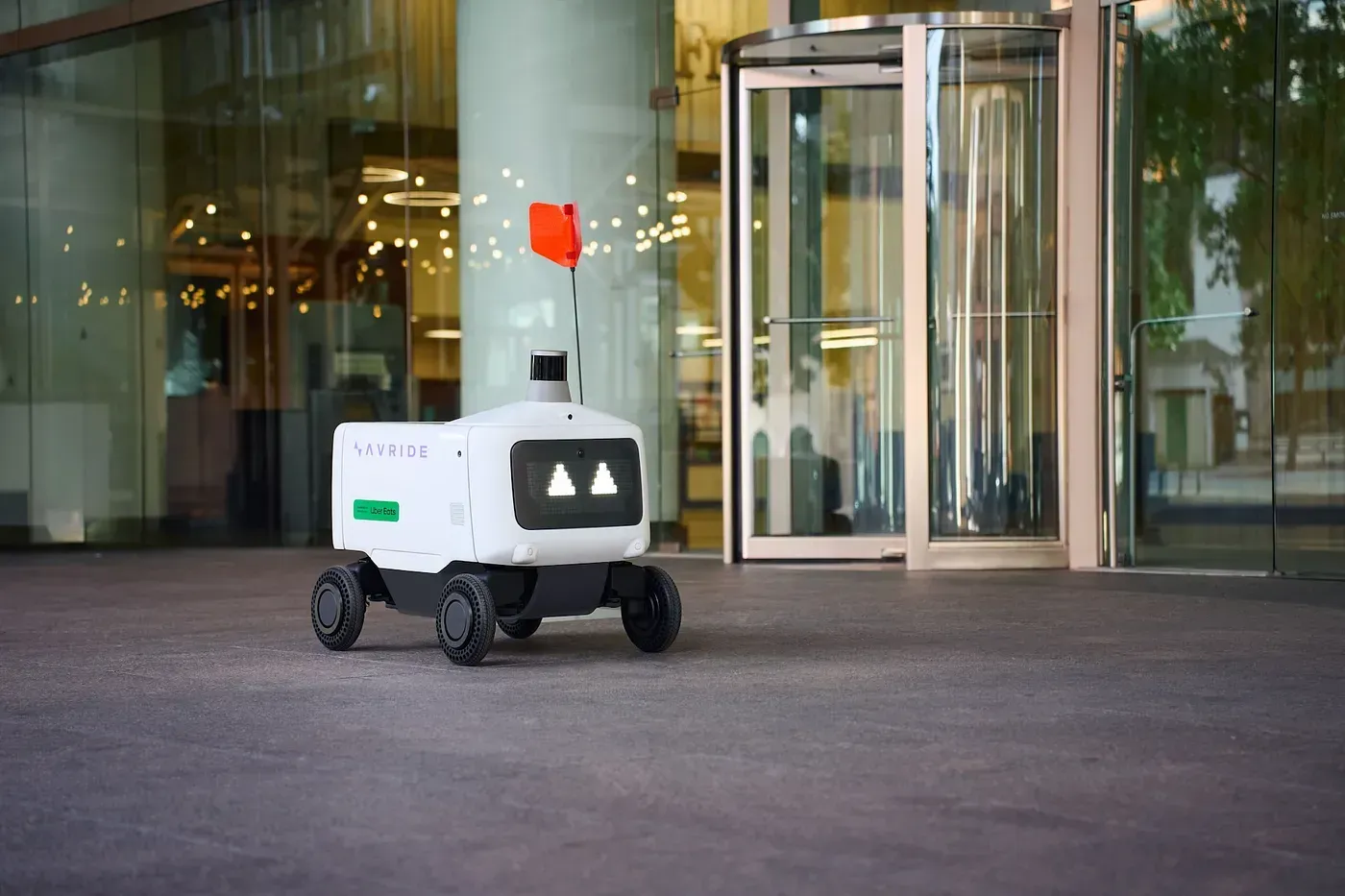
She blocked an Uber delivery robot to save jobs. Police arrested her.
Carolyn Marvin's disorderly conduct arrest turns a sidewalk standoff into a test case for how cities police the automation-versus-workforce debate.