
Nasdaq’s SpaceX tsunami flips the Hong Kong IPO lead, yet proceeds rise 84% in H1 2026
Hong Kong raised US$26.42B across 83 main-board deals, even as Nasdaq pulled ahead after SpaceX’s blockbuster.
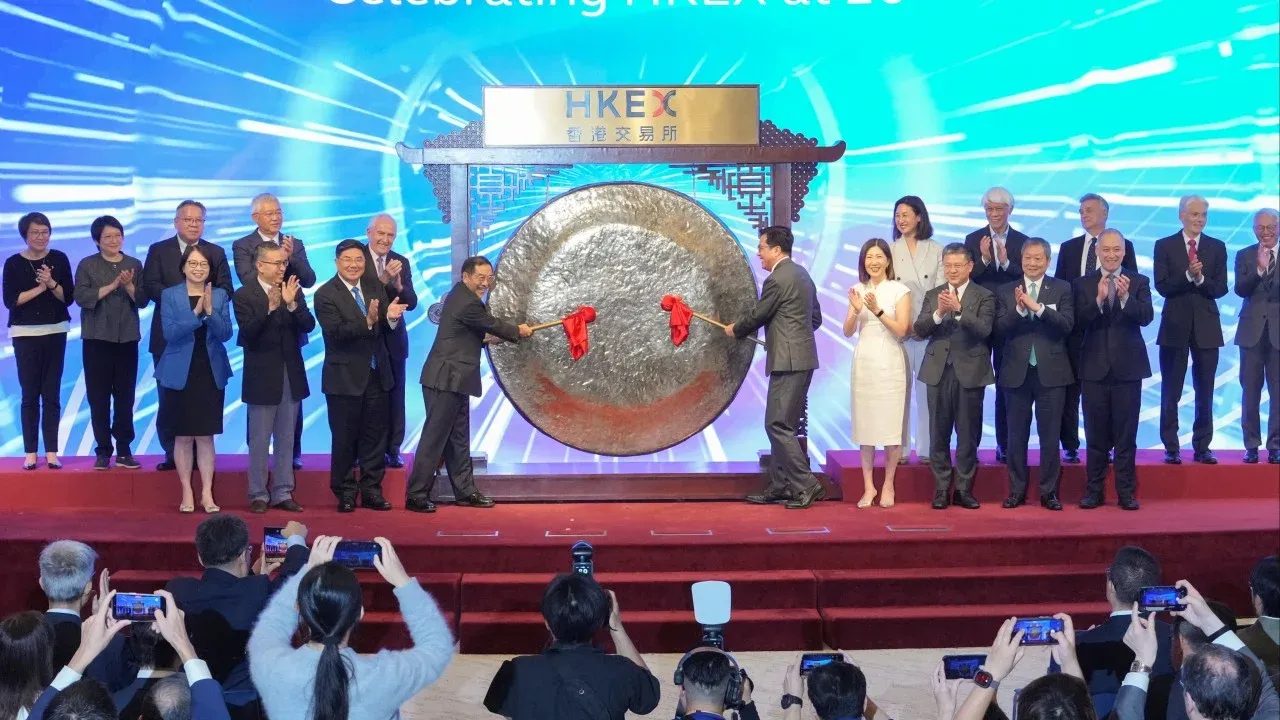
Hong Kong IPOs saw year-on-year IPO proceeds rise about 84% in the first half of 2026, with 83 companies raising US$26.42 billion on the Hong Kong stock exchange’s main board from January to June, per LSEG Data & Analytics. The shift in fundraising crown to Nasdaq after SpaceX’s earlier-month listing changes where capital tables for Chinese tech issuers get set.
Hong Kong’s IPO market just got a weird kind of compliment. Even as it surrendered its IPO fundraising crown to Nasdaq after SpaceX’s blockbuster listing earlier this month, it still posted year-on-year IPO proceeds growth of about 84% in the first half of 2026.
The headline number is concrete: 83 companies raised US$26.42 billion on the Hong Kong stock exchange’s main board from January to June, according to LSEG Data & Analytics. That is the part that matters for decision-makers right now. It says Hong Kong did not “lose the game” on deal volume or capital raised during the first half. It also signals that Chinese tech issuers kept showing up offshore, even if the spotlight moved elsewhere when Nasdaq landed a marquee listing.
So why does it feel like a reversal anyway? Because IPO fundraising crowns are not awarded for stable health. They are awarded for momentum at the margin. One listing can change investor attention, media cycles, and issuer preferences quickly, particularly when it is as high-profile as SpaceX. Nasdaq’s edge here is less about a slow burn of incremental improvements and more about the “tsunami” effect of a blockbuster debut that pulls liquidity, narratives, and global investor focus toward one venue.
Meanwhile, Hong Kong is acting like the workhorse that still delivers. The first-half dataset suggests that, beneath the crown shift, the region remains a primary offshore financial hub for Chinese issuers. That phrase is doing real work. Hong Kong sits in the crosshairs of a global push to access Chinese growth while still offering a familiar trading and listing environment for international investors. When offshore capital wants Chinese exposure, issuers still need a place to list. In H1 2026, Hong Kong provided that, in volume (83 companies) and in dollar terms (US$26.42 billion).
There is also a strategic implication for anyone running underwriting, investor relations, or board-level financing plans: venue choice is becoming more visibly outcome-driven. Boards and CFOs are not only weighing listing mechanics; they are weighing where the “main character” momentum sits in the market. When Nasdaq hosts a headline-grabbing listing like SpaceX, it can change how syndicates price attention and how asset managers allocate bandwidth across stories. That can affect marketing timelines, investor meetings, and even the risk appetite behind pricing.
Regulatory context matters too, because Hong Kong’s role as an offshore hub depends on maintaining a rules-and-process environment that international investors recognize, while still connecting to Chinese issuers’ needs. The source does not add specific regulatory changes, but the takeaway is still valid: offshore listings are not just about where shares trade. They are about how easily capital can flow into the story and how comfortable global investors feel deploying money into that story.
Now zoom out to what this means for executives and boards watching their peers. If Nasdaq can seize the “crown” after a single blockbuster, then Hong Kong can still grow proceeds without necessarily capturing the headline bragging rights. That creates a subtle boardroom question: do you optimize for total funds raised in your relevant window, or do you optimize for venue visibility that can influence future funding cycles? In practice, teams preparing for an IPO will likely treat this as a two-variable problem, not a single decision.
For similar roles elsewhere, the strategic stakes are straightforward. The H1 2026 numbers show demand has not vanished from Hong Kong. The crown shift shows demand can be reallocated quickly when a standout listing hits the calendar elsewhere. In other words, the market is not abandoning offshore venues. It is distributing attention and capital across them, faster than many issuers can update their timelines. If you are a CFO or board member planning a listing, you are not only competing with other companies. You are competing with the market’s next “SpaceX moment.”
This story's Key Insights and Take-aways are locked.
Create a free account to unlock Executive Actions for one credit.
Register to UnlockAlways free for Executives Club members. Join the Club
More in Business
Comcast shares jump 25% as it plans to split NBCUniversal and Sky
The tax-free spin-off could reshape focus, funding, and competition across media and tech for years.

Bungie cuts most Destiny 2 staff as Sony says Marathon still matters
Herman Hulst confirms layoffs affecting most Destiny and some Marathon teams after Bungie admits Destiny fell short.

SK Hynix jumps 11% after seeking up to $29.4B in Nasdaq listing
The chip giant filed for a Nasdaq listing plan that could raise $29.4 billion, instantly reshaping investor expectations.