
NBA Game 3 drew 23.8M viewers, the biggest audience since 1998
Ratings analysts can stop squinting. The latest Spurs win pulled in nearly 24 million on ABC and ESPN, up 159%.
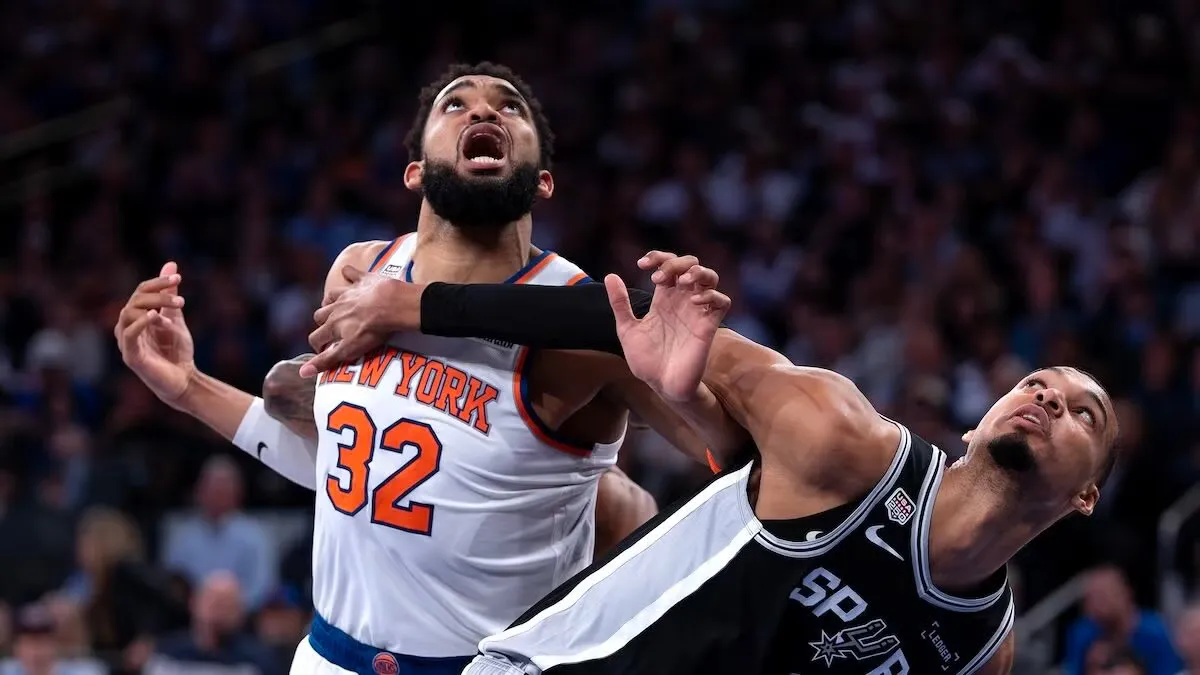
TheWrap reports NBA Finals Game 3, aired Monday, June 8 at 8:30 ET on ABC and ESPN, drew 23.8 million viewers, according to live-plus-same-day figures. The consequence for decision-makers: Game 3 became the biggest Game 3 audience since 1998 and was up 159% from last year’s Game 3.
The NBA Finals’ ratings story just got a rare stamp of approval from time itself: Game 3 delivered 23.8 million viewers, which TheWrap calls the biggest Game 3 audience since 1998. The game aired Monday, June 8 at 8:30 ET on ABC and ESPN, and the number comes from live-plus-same-day viewership figures.
And this is not just a mild improvement. Viewership for the Spurs’ victory was up 159% from last year’s Game 3, per TheWrap. That combination matters. It tells you this was not a rounding error or an internet-era blip that disappears when you check the method. It was a measurable, same-day audience surge on major broadcast and cable platforms.
If you work in media, sports, or investor-adjacent businesses, you already know the dirty secret behind “viewership” headlines: the number is only the beginning. The real work is translating attention into leverage. Live-plus-same-day is one of the cleaner ways advertisers and networks benchmark demand because it captures viewing that occurs close to the broadcast, when ads and sponsorship slots are still the core monetization engine. When a Finals Game 3 hits 23.8 million and also ranks as the biggest since 1998, it tightens the link between sports content and high-value audience availability.
Now add the context that TheWrap is implicitly pointing at. Finals series are cyclical in who gets the eyeballs and why. Matchups can change everything, from casual viewer interest to regional fan pull. But the Spurs’ Game 3 being up 159% from last year’s Game 3 suggests something more than “same sport, different day.” It signals a structural lift in this specific moment of the series, one that networks can use when negotiating ad inventory, sponsorship packages, and follow-on rights value. In other words: this is not only a win for basketball. It is a win for the economics of distribution.
There’s also a market signaling effect. Ratings peaks create narratives that extend beyond the game. When major platforms like ABC and ESPN pull in a near-24 million audience, it strengthens their bargaining posture in the broader sports media ecosystem. Rights holders, leagues, and platform executives pay attention to these moments because they anchor assumptions about the “value of eyeballs” that show up later in long-term strategy decisions: future scheduling, packaging, marketing commitments, and how much inventory is worth protecting for premium placements.
From a governance standpoint, the news is not just entertainment. Networks and sports businesses typically operate with high fixed costs and steep downside risk if viewership underperforms. A ratings increase on an event as standardized as an NBA Finals Game 3 helps boards and CFOs stress-test revenue scenarios. If the series generates headline numbers like this on broadcast plus cable, it can smooth forecasting for ad demand and sponsorship confidence. Put differently: it reduces the number of unknowns you need to solve on the fly.
Regulatory background matters here, too, even if this story is about viewership. In the United States, sports media has long lived at the intersection of broadcast reach and policy-shaped media structures. While the TheWrap piece does not mention any regulation, executives do not get to ignore that licensing, distribution rules, and platform obligations shape who can carry what and how audiences can be counted. A massive live-plus-same-day audience number is particularly persuasive in an environment where measurement, carriage, and monetization frameworks can differ by platform and contract.
For peers in similar roles, the second-order implication is straightforward: if the NBA can generate a 23.8 million audience and a 159% year-over-year increase for Game 3, the bar for “premium live sports” gets higher across the board. Boards and leadership teams for media companies, streaming platforms, and ad-supported networks will treat Finals viewership as a reference point for competitive value. It is not just about this one game; it is about what investors and advertisers will anchor their expectations to next time the rights and budgets line up.
This story's Key Insights and Take-aways are locked.
Create a free account to unlock Executive Actions for one credit.
Register to UnlockAlways free for Executives Club members. Join the Club
More in Entertainment

Russell Brand's accuser 'bewildered and confused' as he denies 7 sex charges
The criminal case against the comedian is a live test of how media companies manage talent risk when serious allegations go public.

'It's a Magic Trick': Ballet Experts Say Rosalía's SNL Pose Is Impossible
Three ballet experts tell Rolling Stone Rosalía's gravity-defying SNL stillness shouldn't be possible - and why the debate is now part of the show.

Activision CMO: GTA 6 Will Boost Call of Duty, Not Bury It
Activision's top marketer says Rockstar's blockbuster will drive players back to consoles and into Modern Warfare 4, even as the company admits its recent strategy failed.