

Neon buys “Artificial” about Sam Altman after Amazon drops it
A film centered on OpenAI’s chief shifts publishers fast, signaling how power brokers respond to AI stories and risk.

Neon purchased “Artificial,” a film focused on OpenAI’s chief Sam Altman. The move follows Amazon walking away from the project after an investment in the start-up.
Neon bought “Artificial,” a film about OpenAI chief Sam Altman, after Amazon dropped it following an investment in the start-up. That is the pivot. Not a long development cycle, not a quiet schedule adjustment. A major player walked away, and another company moved in to take the project.
For executives, the headline is really about decision-making under AI-era reputational pressure. Amazon’s exit came after it had invested in the start-up, which means this was not a simple “we do not do films about tech leaders” situation. It was an entertainment bet that suddenly looked different enough to abandon, and Neon was willing to pick it up.
To understand why this matters, zoom out to how AI has changed the meaning of “story” in boardrooms. OpenAI and its leadership are no longer just technical subjects. They are cultural signals and regulatory magnets. When a project centers on the CEO-like figurehead of a high-profile AI company, it is not only discussing algorithms. It is implicitly touching on public trust, competitive strategy, and the narrative battle around what AI is doing, who controls it, and what happens next.
In that environment, a film becomes an investment with more than box office math. Platforms and buyers are watching how audiences react, yes, but also how regulators might interpret what is being amplified. The industry has seen governments and agencies increase attention on AI governance, transparency, and safety. Even when regulation is not directly in the film’s contract, the broader climate changes the risk profile. A project centered on Sam Altman, who is widely known as a key public face for OpenAI, naturally attracts higher scrutiny than a generic tech documentary.
Now add the specific incentive structure behind “after an investment.” When a company invests in a start-up, it is not just buying equity exposure. It is building strategic proximity. That proximity can help partnerships, influence direction, and support credibility. But it also creates a sharper reputational line. If the same company then chooses to walk away from a media project about the start-up’s leadership, it signals that the company is managing perceived downstream risks: messaging, optics, and the chance that a film could contradict the investment’s desired narrative.
This is where Neon’s purchase becomes the second-order story. Neon appears willing to take on a project that Amazon declined. That can mean Neon believes the story’s value is worth the controversy, or that it has a different tolerance for the noise that follows high-profile AI subjects. Either way, when one major distribution or production partner exits, it reshapes who gets credit for courage and who inherits the scrutiny. For boards and investors, these are real brand and governance questions.
It is also a reminder that AI is not only disrupting jobs and software. It is reshaping capital allocation, including entertainment capital. The same concentration that powers AI attention and funding also concentrates attention on individuals, and individuals are easier to spotlight than messy systems. When your project is anchored to a public executive, you are likely to ride waves of sentiment that can turn quickly.
For decision-makers at companies with AI adjacency, the strategic stakes are clear. If you are an operator, you will face questions from partners and regulators about alignment, messaging, and governance. If you are a board member, you will see these media bets as part of a larger reputational portfolio. If you are an investor, you should assume that high-profile storytelling around AI can affect perceived legitimacy and risk perception, not only interest and engagement.
Neon buying “Artificial” after Amazon dropped it tells a simple story with complicated implications: when AI narratives get tied to powerful institutions, media projects can become high-stakes governance moments. And in a market where trust is currency, who decides to stay in, and who decides to step away, can matter as much as what the film is about.
This story's Key Insights and Take-aways are locked.
Create a free account to unlock Executive Actions for one credit.
Register to UnlockAlways free for Executives Club members. Join the Club
More in Business
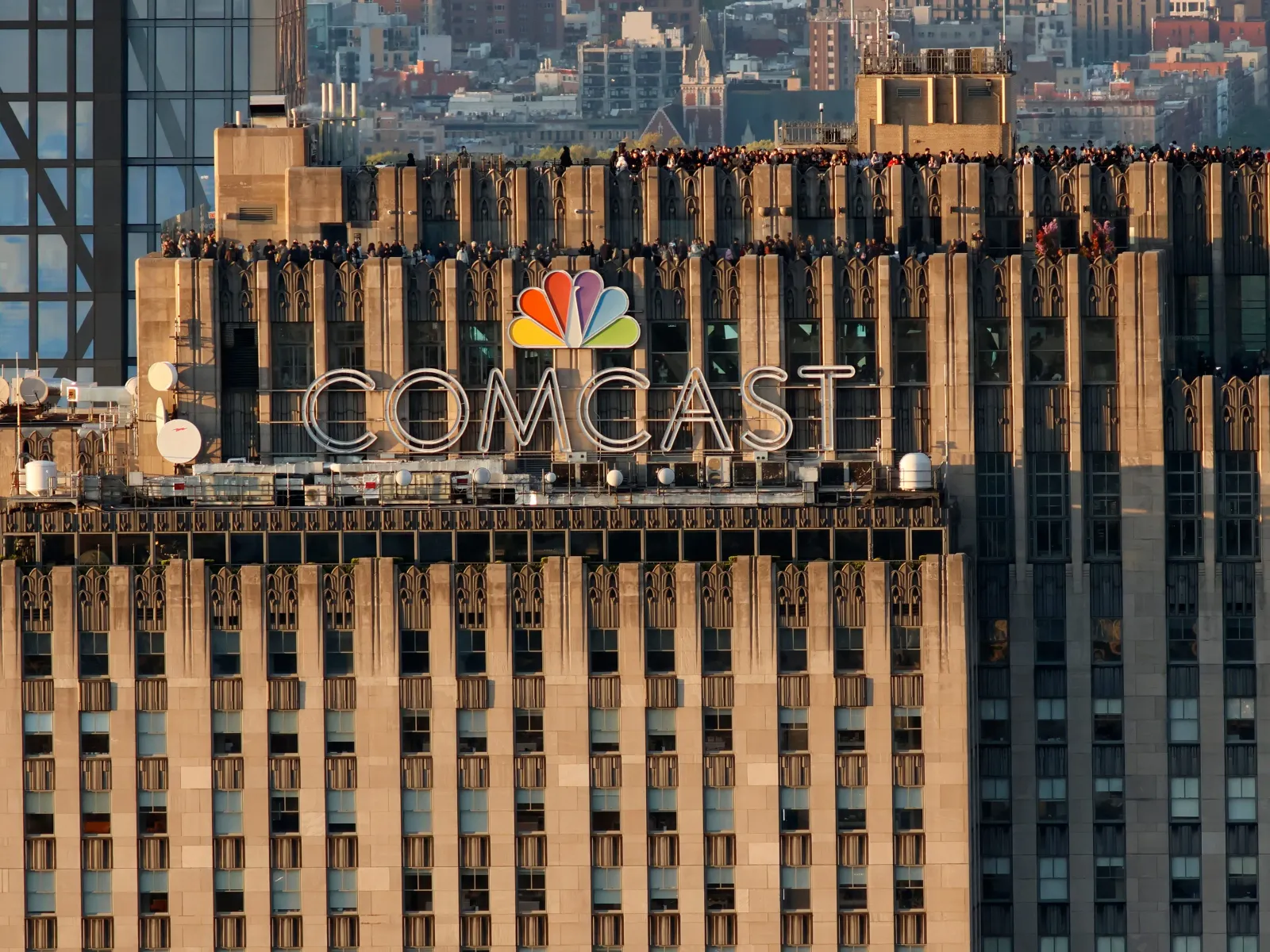
Comcast shares jump 25% as it plans to split NBCUniversal and Sky
The tax-free spin-off could reshape focus, funding, and competition across media and tech for years.

Bungie cuts most Destiny 2 staff as Sony says Marathon still matters
Herman Hulst confirms layoffs affecting most Destiny and some Marathon teams after Bungie admits Destiny fell short.

SK Hynix jumps 11% after seeking up to $29.4B in Nasdaq listing
The chip giant filed for a Nasdaq listing plan that could raise $29.4 billion, instantly reshaping investor expectations.