

Netflix bets big on live sports to pull subscribers, but investors doubt broader engagement
Live programming is Netflix's pitch for growth. Investors are questioning whether it fixes the engagement trends that matter.
Netflix is spending big money on sports and argues that live programming helps draw new subscribers. Investors, however, have become disillusioned with Netflix's broader engagement trends and what they imply for ongoing growth.
Netflix is spending big money on sports, and it is betting that live programming does something streaming has historically struggled to do: convert casual viewers into new subscribers. That is the company’s core argument in this MarketWatch piece from the Top Stories section. The logic is straightforward. When a show is live, it creates a time-bound reason to subscribe now instead of "maybe later." That urgency is the point.
But investors have not been buying the whole story. The same MarketWatch framing says they have become disillusioned with Netflix’s broader engagement trends, meaning the question is not whether sports can attract attention, but whether it can improve Netflix’s wider relationship with viewers across its platform. In executive terms, this is the uncomfortable split-screen. One side says, "We’re adding live sports and it brings new subscribers." The other side asks, "Are people sticking around and engaging more broadly, beyond the novelty of live events?"
This is why Netflix’s sports spend is more than a content decision. It is a capital allocation bet. Streaming companies do not just pay for content. They pay for outcomes, or at least they try to. Live programming is expensive and operationally complicated, and it also changes what a platform becomes. Instead of being a library you binge when convenient, Netflix starts to behave more like a sports network with scheduling, rights negotiations, and a different cadence for audience behavior.
Netflix is essentially trying to use sports as a lever. If live events can draw new subscribers, that can offset the recurring anxiety in subscription businesses: churn and competitive pressure. In many streaming models, growth is not only about acquisition, it is about retention and engagement. If engagement trends are soft, it matters because it can increase churn risk and make subscriber acquisition more costly over time. Even when a single category performs well, investors often grade the full system: discovery, viewing habits, frequency of use, and whether the platform becomes a default habit.
There is also a reason investors can feel disillusioned even when the strategy sounds sensible. Engagement is harder to manufacture than sign-ups. New subscribers might be attracted by a live event, but broad engagement trends reflect whether viewers are continuing to watch after the initial hook. Executives know this pattern from product launches: initial adoption does not automatically translate into durable usage. Netflix’s sports bet may be moving one metric, but investors are focused on whether it moves the broader engagement picture.
Second, this story sits inside a competitive environment where live content has become a recurring battleground. Streaming services are not just competing with each other for time, they are competing with the offline world, especially for scheduled, social viewing. Sports and other live programming can produce moments that are shared and discussed, which typically helps with awareness. But awareness is not the same thing as platform engagement. For boards and CFOs, the risk is paying up for attention without fixing the underlying engagement mechanics that drive long-term subscriber value.
Third, there is a regulatory and rights dimension that tends to intensify the stakes for live programming. Sports rights involve ownership structures, licensing, and jurisdictional rules that can be sensitive to local enforcement and consumer protection norms. While the source here does not list specific regulators or policy changes, the broader reality is that live content is more entangled with rights and compliance than a typical on-demand library. That means more moving parts when you make a bet this large, which makes investor scrutiny more likely when engagement trends do not visibly improve.
So where does this leave decision-makers? If you are a streaming executive, the Netflix story is a reminder that content strategy now lives inside a performance narrative. “Live programming brings in new subscribers” is a claim about acquisition. “Broader engagement trends” is a claim about retention, frequency, and habit formation. When investors get disillusioned, it is often because the market believes the company is solving one problem while the system is still failing another.
Netflix is clearly trying to use sports to widen the funnel. The strategic stake for peers is whether that funnel upgrade can reconcile with the engagement challenges investors are watching. If Netflix’s sports spending does not translate into improved engagement more broadly, the market will interpret the spend as expensive diversification rather than a durable growth engine. For boards and finance leaders, the question becomes sharper: are you funding a category that creates subscribers, or a category that changes the platform’s relationship with viewers?
This story's Key Insights and Take-aways are locked.
Create a free account to unlock Executive Actions for one credit.
Register to UnlockAlways free for Executives Club members. Join the Club
More in Business

Uber buys Delivery Hero for nearly $15B, vaulting to top food delivery outside China
The deal doubles Uber's dual-services footprint and pushes a ride-and-eats bundling play into 50 more markets.

Epic and Google drop settlement bid, forcing rival Android app stores by July 22
Google told the court it is ready to carry third-party app stores starting Wednesday, July 22.
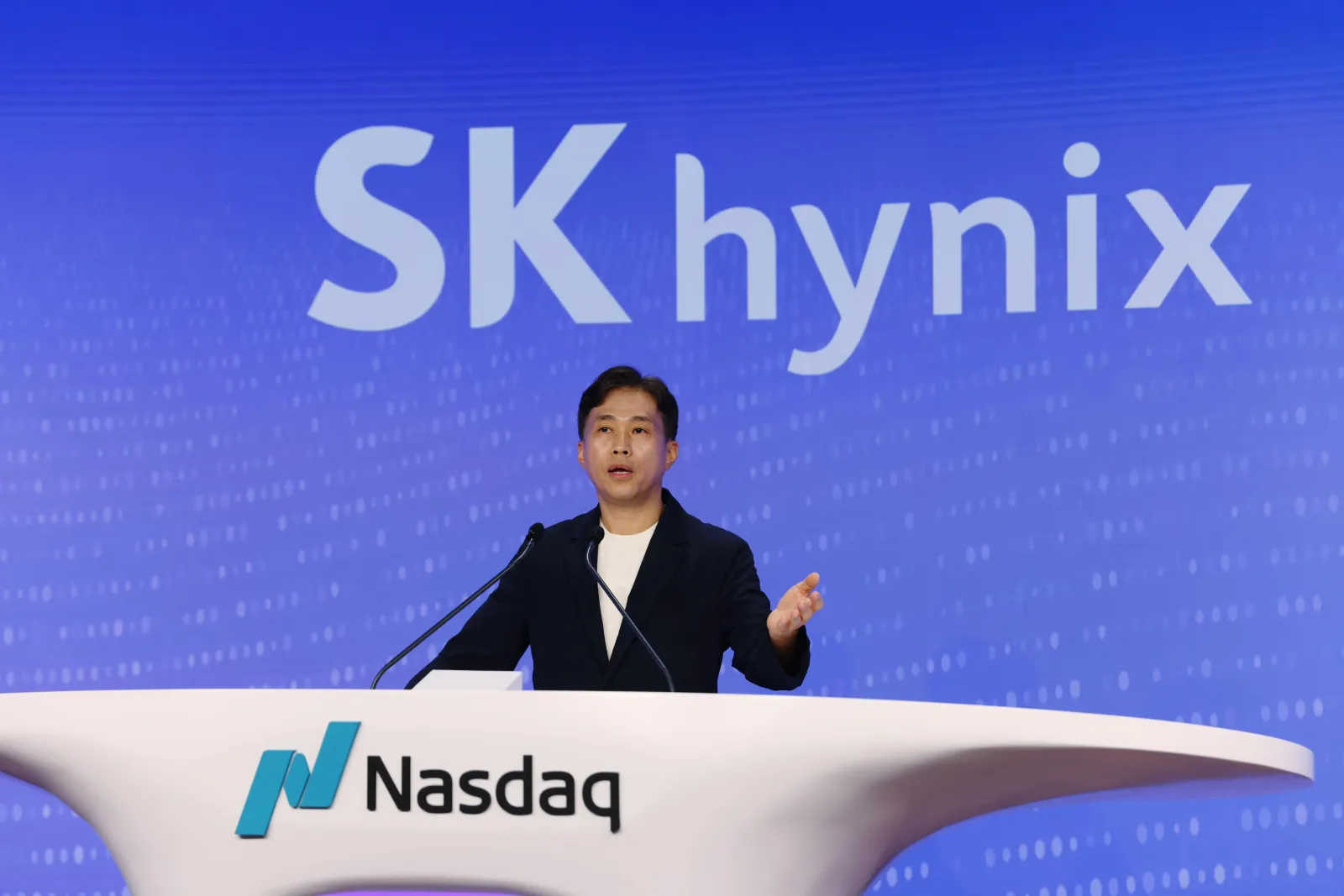
SK Hynix opens at $170, raises $26.5B, and tops foreign IPO records
In Friday's Wall Street debut, SK Hynix turns AI RAM demand into a $26.5B fundraising moment that rewrites comps.