

Netflix casts a real dog as Scooby in Scooby-Doo Origins, skipping CG
A live-action reboot makes one surprisingly practical bet on authenticity, and it changes the way budgets and production risk look.
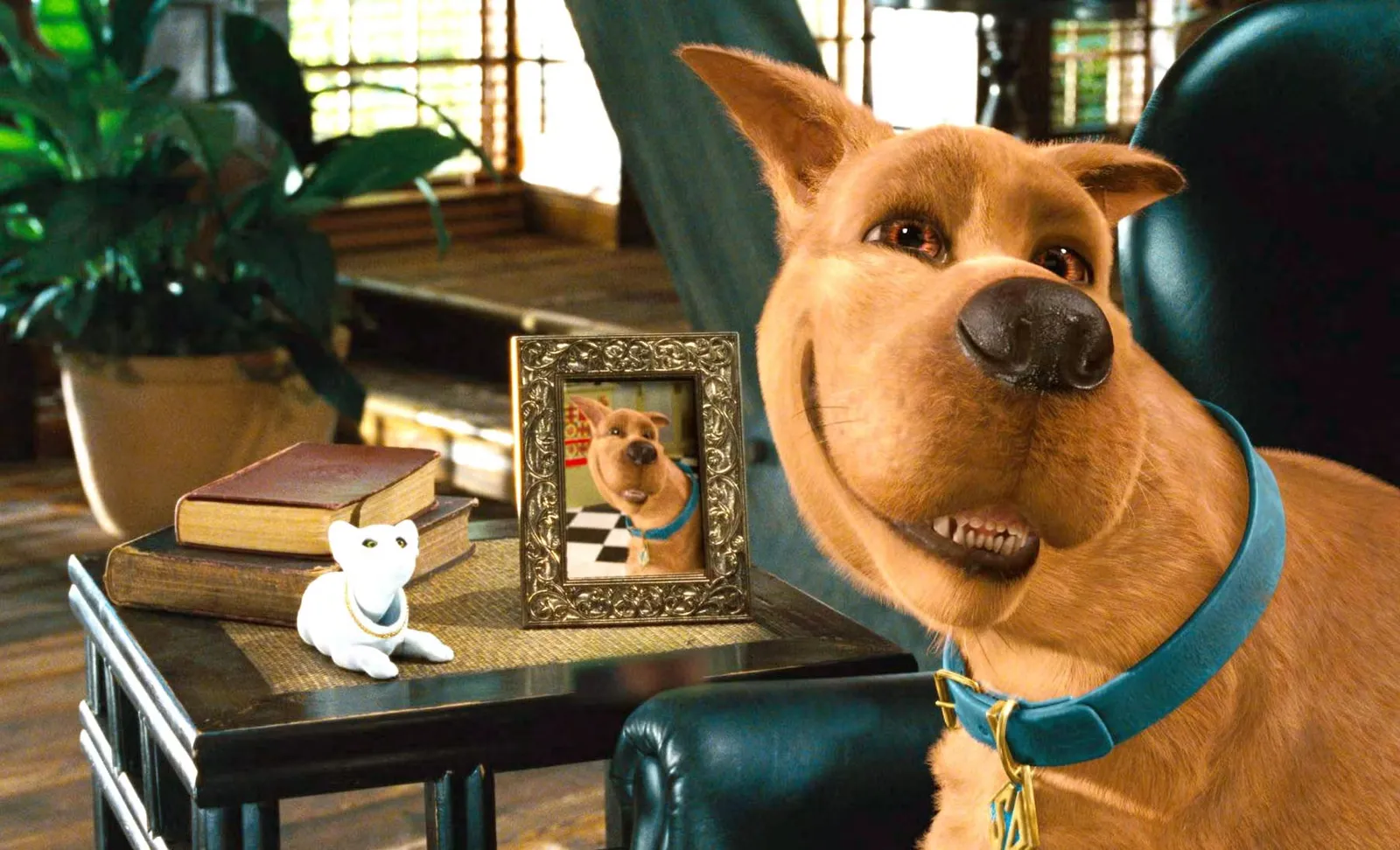
Netflix has introduced the star and casting approach for its upcoming live-action Scooby-Doo series, Scooby-Doo Origins, casting McKenna Grace and a real dog as Scooby. The move signals a shift from pure visual effects toward production authenticity, with ripple effects for cost control and brand trust.
Netflix’s upcoming live-action Scooby-Doo show, Scooby-Doo Origins, has introduced its star, and for the first time in the franchise’s nearly 60-year history, Scooby himself will be played by an actual dog. Netflix also positions the key choice as an authenticity play, saying the dog “won’t be CG.”
That first-look casting detail matters because it defines the production risk early, long before a single episode hits your screen. Instead of treating Scooby as a purely digital problem to solve, Netflix is committing to the physical reality of training, handling, and performance by a real animal. Pair that with the credited human lead, McKenna Grace, and you can already see what Netflix is optimizing for: a live-action tone where the iconic character feels present in the room, not pasted on after the fact.
If you run a studio, an agency, or an investor-backed production shop, this is the kind of decision that shows up in the budget spreadsheet in three places at once. First, it changes how you schedule: animal performances generally require dedicated time for learning cues, rehearsals, and safe handling. Second, it reshapes post-production. Visual effects still exist in most modern productions, but Netflix is explicitly telling viewers that Scooby will not be CG, which implies a smaller role for digital replacements for the dog’s core performance. Third, it affects quality control. With a real dog, “performance” is constrained by what an animal can reliably do, which means direction, shot design, and coverage become more important to capture the usable moments.
This also lands inside the modern streaming playbook where IP nostalgia is both the pitch and the trap. Scooby-Doo is a franchise with a nearly 60-year history, and those long-lived properties usually come with enormous brand expectations. Netflix is leaning into the iconography people already understand, but it is also changing the mechanism by which that iconography is delivered. That can be a high-stakes bet, especially when viewers know the character design and movement patterns so well that any “off” detail can feel like a betrayal.
There is an additional incentive layer here: production teams and executives typically want fewer moving parts that can drift late in the process. CG-heavy approaches can get expensive if deadlines compress or if motion and realism fail the bar. Real animal casting can swing the other direction if the dog cannot hit marks consistently. Netflix’s emphasis that the dog will not be CG suggests the company believes it can manage the animal performance constraints, and it is making that bet visible to audiences before launch.
Second-order, this can affect how stakeholders evaluate creative risk. Boards, internal review teams, and partner networks often use “how risky is the execution?” as a proxy for “how risky is the outcome?” A real dog approach can look cleaner to external stakeholders because the visual premise is simpler to explain: Scooby is Scooby. But it can also surface new operational risks that do not exist in a fully animated or fully digital approach, including animal welfare protocols, safety planning on set, and the practical realities of working with a non-human performer.
For executives at other studios and streaming platforms, the bigger lesson is not that Netflix decided to use a dog. It is that Netflix tied a high-recognition character to a specific production philosophy from day one. When the series is called Scooby-Doo Origins, the word “Origins” implies backstory and character authenticity, so casting Scooby with a real animal is a production-level way to underline that promise. In a market where audiences can churn between platforms, the credibility of small execution choices can compound into trust. And for viewers, the “won’t be CG” framing is a straight shot at skepticism: this reboot is inviting you to judge it on something you can feel.
Bottom line: Netflix’s first look for Scooby-Doo Origins confirms McKenna Grace as part of the cast and, crucially, confirms Scooby’s actor will be a real dog rather than a CG character. That decision changes the production math, the risk profile, and the authenticity narrative in one move. And in a franchise with nearly 60 years of expectations, that is exactly the kind of tradeoff executives should watch closely.
This story's Key Insights and Take-aways are locked.
Create a free account to unlock Executive Actions for one credit.
Register to UnlockAlways free for Executives Club members. Join the Club
More in Entertainment

Entertainer Russell Brand denies 7 sex charges amid accuser's 'couldn't breathe' claim
The alleged victim's account sharpens the reputational and legal stakes for Brand, his platforms, and any business tied to a public figure under criminal scrutiny.

Russell Brand's accuser 'bewildered and confused' as he denies 7 sex charges
The criminal case against the comedian is a live test of how media companies manage talent risk when serious allegations go public.

'It's a Magic Trick': Ballet Experts Say Rosalía's SNL Pose Is Impossible
Three ballet experts tell Rolling Stone Rosalía's gravity-defying SNL stillness shouldn't be possible - and why the debate is now part of the show.