
Netflix is reportedly adapting Persona into live action with Stranger Things producers
A new Variety report ties 21 Laps and Story Kitchen to Persona, raising big questions about tone, casting, and who wins.

Variety reports a live-action Netflix Persona series is in development with 21 Laps and Story Kitchen substantially involved, plus showrunner Christopher Monfette. For decision-makers, it signals Netflix is turning game IP into prestige tentpoles, and Persona’s scale makes execution risk unusually real.
Netflix may be getting the live-action Persona treatment, and according to Variety, the production team is built for the “hit TV universe” game, not the “niche anime channel” lane. The project reportedly brings in 21 Laps, the company behind Stranger Things, and Story Kitchen, which focuses on game-to-film adaptations. In other words, this is not an experiment that will be quietly buried if it misses. It is being staffed by players who already know how to ship global entertainment brands.
The same Variety report also names the creative leadership: Christopher Monfette is the writer and showrunner. Monfette’s resume includes nerd-adjacent television work like the forthcoming VisionQuest, a Disney series featuring Marvel’s Vision, and Star Trek: Picard. On top of that, there are seven executive producers listed, including Sega’s Toru Nakahara, who has executive produced the Sonic film trilogy. This is the part executives should zoom in on: Persona is not just being adapted, it is being adapted through people who have already navigated the translation problem from games and anime-adjacent source material into blockbuster, mainstream formats.
Why this matters now is simple. Persona 5 is not a cult property. The core game, including Persona 5 and Persona 5 Royal, sold 10.46 million copies as of August 2025. It launched in 2016 and has since been released across three console generations, which is a strong signal that Atlus built a long lifecycle for the franchise, not a one-and-done moment. It also spawned five spin-offs tied to Persona 5 specifically: Persona 5 Strikers, Persona 5 Tactica, Persona 5: Dancing in Starlight, Persona 5: The Phantom X, and Persona Q2: New Cinema Labyrinth. That volume tells Netflix something important: there is already a deep library of characters, settings, and tone cues to draw from, which can reduce creative ambiguity. The downside is obvious too. When the IP is this large, audiences show up with expectations, and the adaptation either lands or becomes a meme.
Persona has not been stranded on screens, either. There are already anime and animation adaptations, including Persona 5, which ran between 2018 and 2019, and Persona 4, which ran in 2011. A Persona 3 anime miniseries also exists. Stepping further out, the wider Shin Megami Tensei series began as a novel trilogy, and crossmedia promotion has always been baked into the franchise’s DNA. So the “content exists” argument is not the issue. The issue is that this is reportedly the first live-action Persona series. Live action changes the texture of everything: how the supernatural or stylized parts feel, how fashion and performance come across, and how quickly the story can establish the franchise’s distinct rhythm.
The production team also adds another layer of complexity. Story Kitchen is tied to game-to-film adaptations such as Sonic The Hedgehog, and it also has upcoming projects that include Tomb Raider, It Takes Two, and Vampire Survivors. That matters because each of those properties comes with different audience assumptions about tone and pacing. Persona is a different beast from the jump. It is inextricably linked to anime style and sensibility, and any tonal adjustment in the move to live action is likely to be scrutinized for authenticity and vibe. The source even flags the practical concern that overwhelmingly American production crews might struggle with details that audiences associate with Japanese casting and locale. That is not a minor production note. In a property like Persona, casting and setting choices can become the storyline before the story does.
Still, Netflix would not be making this move if it did not believe the upside is real. The adaptation path already looks tried-and-true in adjacent game IP. Sega executive Toru Nakahara’s involvement, via experience with the Sonic film trilogy, is a direct indicator that teams are learning and iterating. And Netflix is not the only outlet with the appetite. Even beyond Persona, the strategy in entertainment has been to turn game IP into recurring episodic worlds, the same way prestige TV turned comics and sci-fi into subscription habits. A live-action Persona series, backed by Stranger Things-adjacent infrastructure, suggests Netflix wants to treat this like a long-form franchise, not a seasonal novelty.
For the gaming and media execs watching, the second-order implication is that Persona is now part of the “global tentpole” conversation. If the adaptation lands, it strengthens Netflix’s case to keep greenlighting more game-to-TV and game-to-film conversions, and it likely raises the bar for quality control, localization, and audience targeting across the category. If it stumbles, it becomes an expensive cautionary tale about tone translation and casting assumptions. Either way, the existence of a live-action development effort built around 21 Laps, Story Kitchen, Christopher Monfette, and Toru Nakahara signals that game IP is no longer just “content.” It is a board-level strategy, and Netflix is willing to staff like it expects returns.
This story's Key Insights and Take-aways are locked.
Create a free account to unlock Executive Actions for one credit.
Register to UnlockAlways free for Executives Club members. Join the Club
More in Business

A flaw in PHP just forced governments to pull their own sites offline
European agencies from Belgium to Germany took websites dark to patch a critical weakness in the language behind almost 70% of the web, and the blast radius extends far beyond government portals.
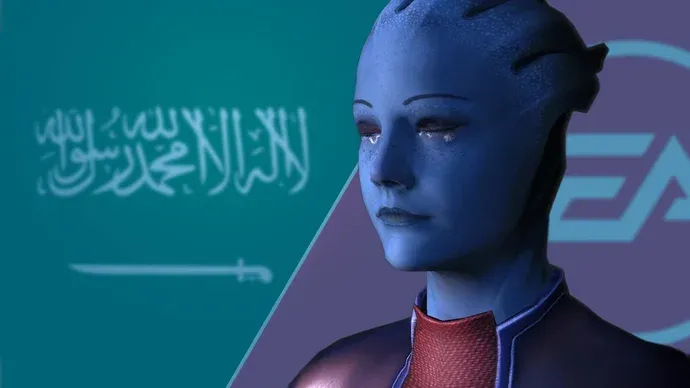
BioWare shuts down, Mass Effect 5 dead after $55B EA buyout
The legendary RPG studio's closure lands months after a $55 billion investment group buyout of EA, raising tough questions for gaming's biggest acquirers.
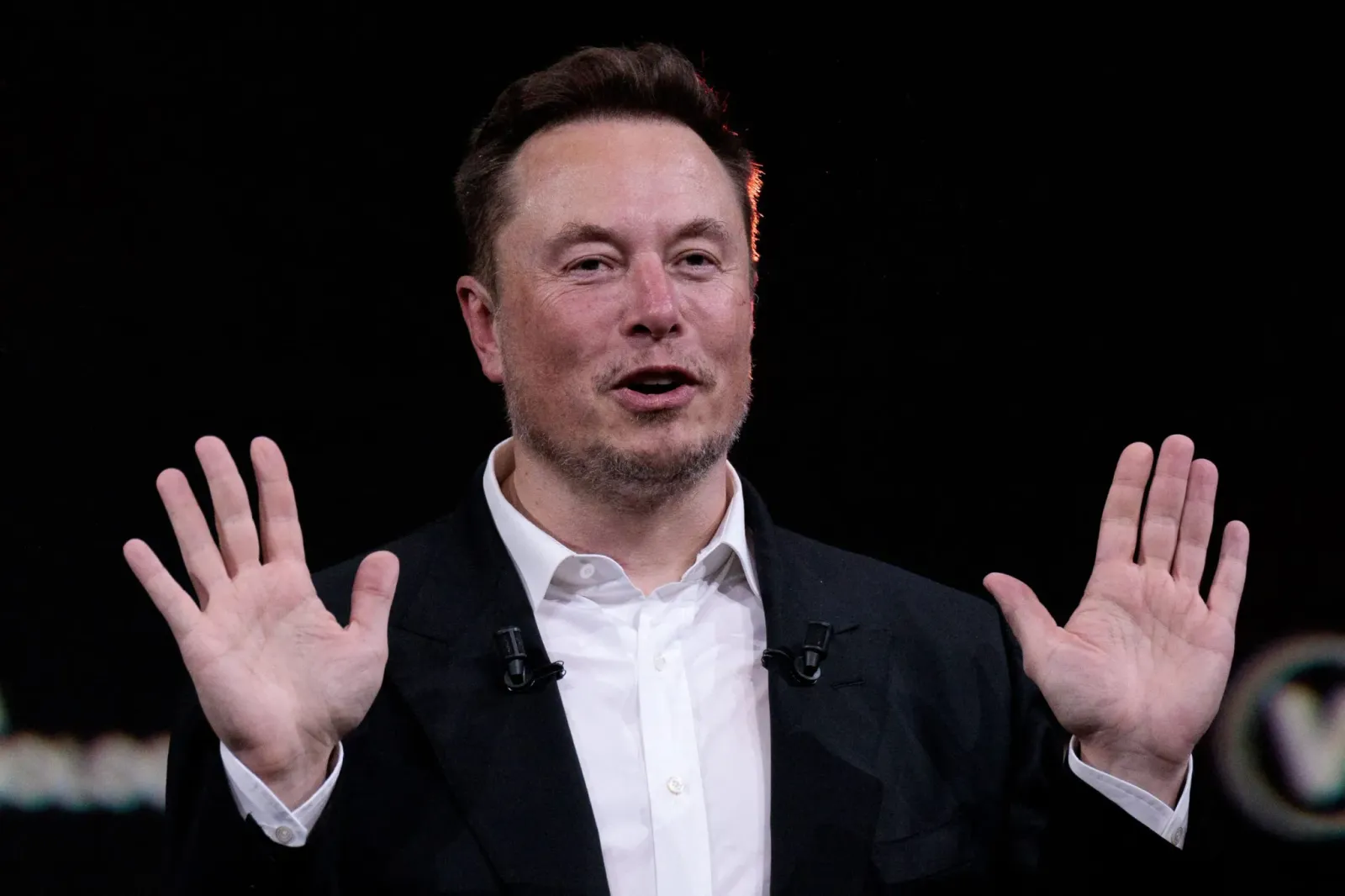
Musk barred from the room as Tesla, SpaceX boards weigh $3.5 trillion merger
The CEO of both companies is a 'conflicted party' watching independent directors negotiate a tie-up that would create a $3.5 trillion giant he would own about a third of.