

Netflix links 2% viewing growth to a $3 billion ad bet in Q2
The streaming giant says modest engagement gains now fund a major advertising push, with free tiers, AI, and creator content in play.
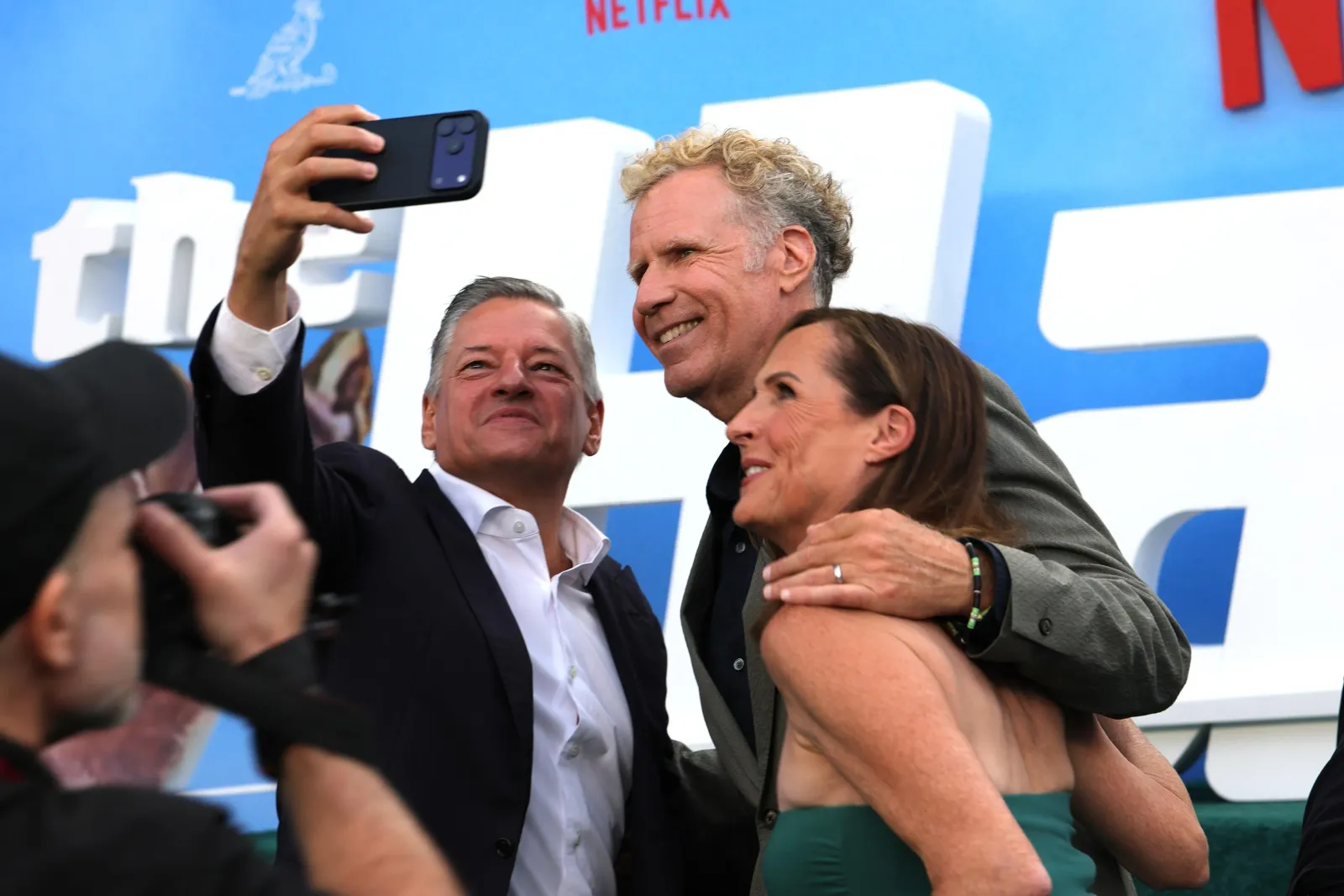
Netflixs Q2 results connect a 2% viewing growth pace to a $3 billion ad strategy. For decision-makers, it reframes the path to profitability as incremental audience traction gets monetized at scale.
Netflixs Q2 results land with a very specific message: a 2% viewing growth rate is now the foundation for a $3 billion ad bet. In plain English, Netflix is not treating advertising as a side hustle. It is building an entire monetization engine around small improvements in engagement, because ad economics tend to demand both reach and repeatable viewing time.
That is the key takeaway for executives. When Netflix says it can support a $3 billion advertising strategy with only 2% viewing growth, it is essentially arguing that marginal lifts in watch behavior can unlock meaningful revenue. The Q2 framing matters because it turns what sounds like a trivial percentage into the strategic hinge of the next phase of Netflix growth, not just a quarterly metric to be watched.
Zoom out and you get why this is happening now. The streaming market is increasingly defined by the tension between subscriptions and broad, ad-supported distribution. Free tiers and lower-cost viewing options can pull in audiences who are priced out of paid plans, but they also change what the business model must deliver. Netflixs approach in Q2 signals that it is trying to engineer the right mix: more people watching, more sessions, and more opportunities to sell ads without undermining the value of the paid experience. That balancing act is hard, but it also makes sense. Ads typically want scale. Subscriptions typically want loyalty. Combining both means every point of viewing growth is even more valuable.
Q2 also points to how Netflix intends to operationalize the ad strategy, and the details matter because the ad stack is not just about selling spots. It is about targeting, measurement, and relevance. The source highlights AI as part of the reshaping effort. For boards and senior operators, that is a reminder that modern advertising is increasingly data and automation driven, not just a creative sales motion. AI can help reduce the friction between what viewers watch and what advertisers want to buy, and it can also help Netflix manage the complexity that comes with adding ad inventory, potentially introducing free tiers, and keeping content engagement strong.
Then there is creator content, another lever the source flags as part of the business model reshaping. Creator-driven formats can diversify the content pipeline, potentially speed up experimentation, and attract audiences that might not show up for traditional studio programming. In an ad-supported world, audience habits matter as much as content taste. If creator content can increase discovery and repeat viewing, that feeds right back into the same “2% viewing growth” logic Netflix is betting on. Put differently, creator content is not just a content strategy in this framing. It is a demand-generation strategy that supports monetization when ads enter the picture more formally.
There is also a regulatory backdrop worth understanding, even if the source excerpt is focused on Netflixs Q2 results. As ad-supported media expands, regulators and lawmakers tend to scrutinize privacy, data usage, and how consumer choice is presented, especially with free tiers and more granular targeting. For executives, that means the advertising bet is not only a revenue question. It is also a compliance and trust question. Even if Netflix can build an ad system that works economically at a 2% viewing growth pace, it still has to execute in a world where privacy rules can tighten and disclosures can become more demanding.
Finally, the second-order implication for peer leaders is blunt. Netflix is demonstrating a playbook that treats engagement momentum as capital. If other streaming companies are trying to decide whether to chase ads, free tiers, or new content models, Netflixs Q2 math suggests a benchmark: modest increases in viewing behavior can justify large-scale monetization investments, as long as the company can convert that viewing time into advertising inventory and advertiser confidence. The stakes are not abstract. A wrong bet on how viewing growth translates into ad yield can burn cash and erode brand trust. But a correct conversion model can strengthen Netflixs position for years.
In Q2 terms, Netflix is essentially saying: we do not need a huge surge in viewing growth to justify a massive advertising strategy. We need reliable traction, powered by AI, supported by free tiers, and reinforced by creator content. For decision-makers, the message is clear. Watch the engagement rate. In this model, small percentage points are how you fund the next business phase.
This story's Key Insights and Take-aways are locked.
Create a free account to unlock Executive Actions for one credit.
Register to UnlockAlways free for Executives Club members. Join the Club
More in Business

Uber buys Delivery Hero for nearly $15B, vaulting to top food delivery outside China
The deal doubles Uber's dual-services footprint and pushes a ride-and-eats bundling play into 50 more markets.

Epic and Google drop settlement bid, forcing rival Android app stores by July 22
Google told the court it is ready to carry third-party app stores starting Wednesday, July 22.
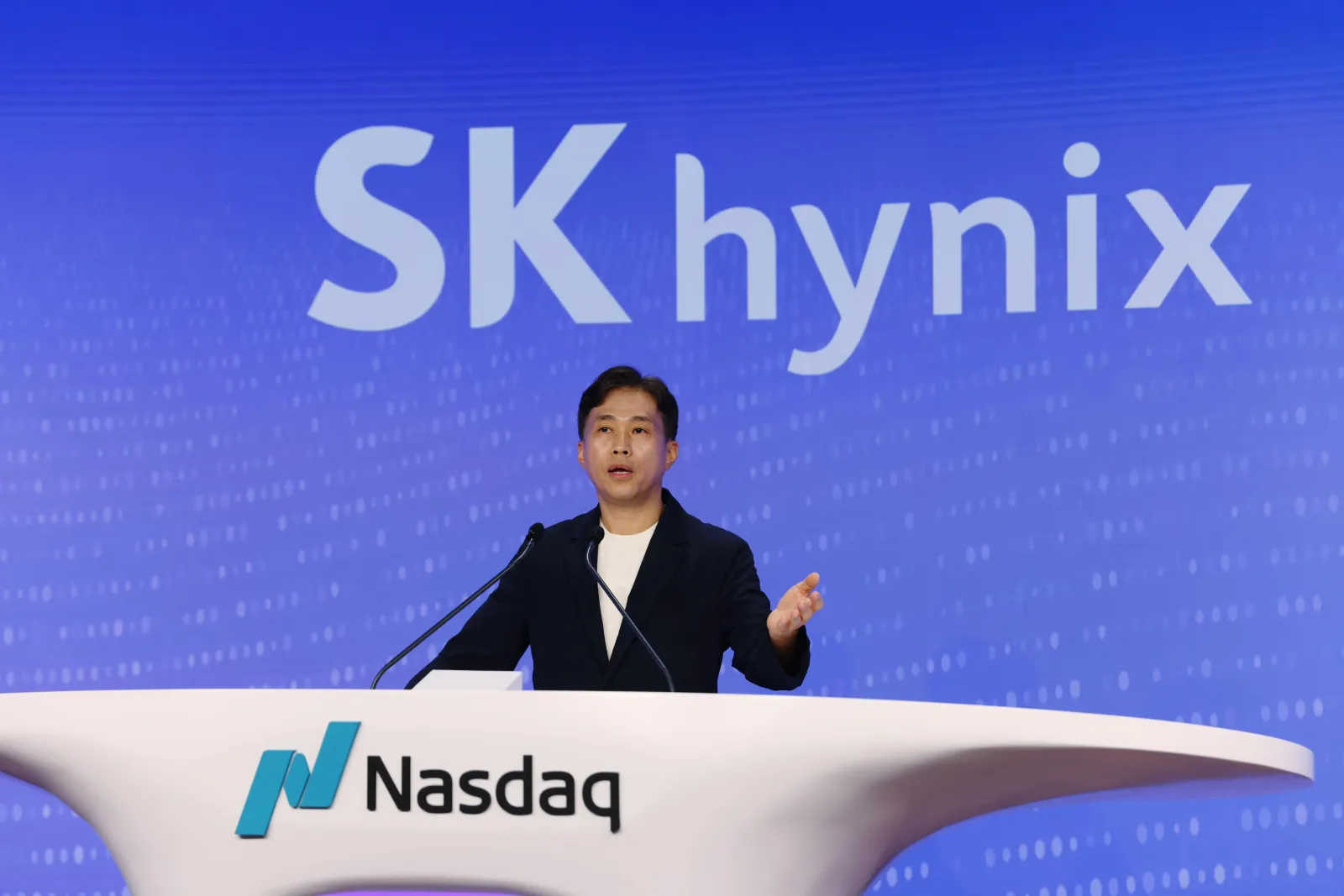
SK Hynix opens at $170, raises $26.5B, and tops foreign IPO records
In Friday's Wall Street debut, SK Hynix turns AI RAM demand into a $26.5B fundraising moment that rewrites comps.