

Netflix pays $587M in cash for Ben Affleck's InterPositive, SEC filing confirms
A Friday Form 10-Q disclosure locks in the deal price and spotlights how AI is moving into post-production at scale.
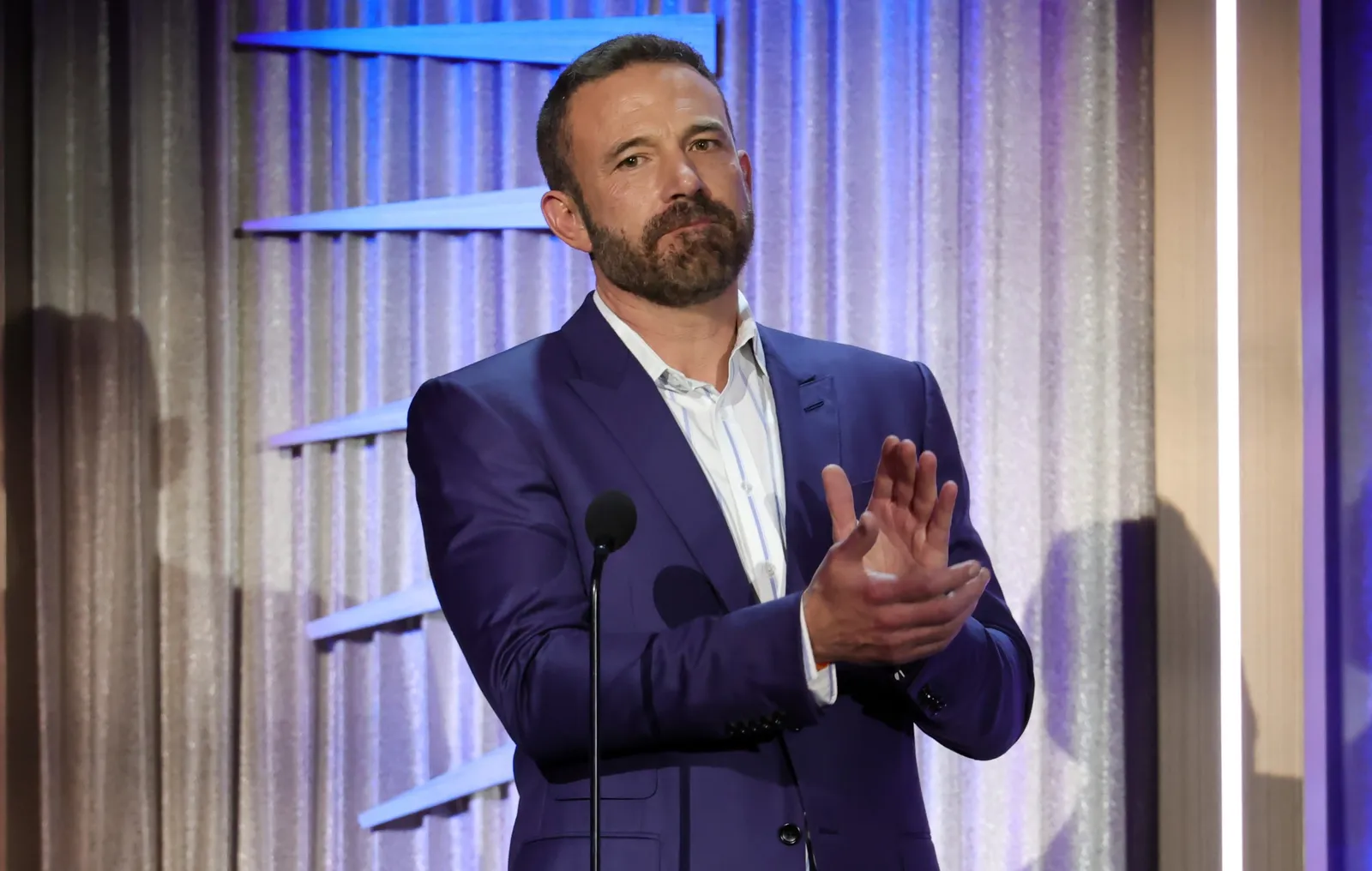
Netflix disclosed in a Friday SEC Form 10-Q that it paid $587 million in cash for InterPositive, founded by Ben Affleck. The price signals how aggressively the streamer is investing in AI-driven production workflows, even as creatives and regulators continue to argue about what AI should be used for.
Netflix’s AI shopping spree got a lot more expensive on paper. In a securities filing over the weekend, the streamer disclosed that it paid $587 million for InterPositive, a mysterious AI start-up founded by Ben Affleck, and it did so in cash. That is the concrete number behind the earlier reporting that put the deal at about $600 million.
The timing matters too. Back in March, and less than a week after dropping out of the bidding for Warner Bros Discovery, Netflix acquired InterPositive. Then, on Friday (July 17), the SEC filing detailed the cash figure: $587 million, per the report referenced in the coverage. So the “over $500 million” headline is not hype. It is a real disclosed purchase price, documented in the kind of regulatory paperwork most people only see when something is truly big enough to be audited.
For decision-makers, this is a reminder that the AI debate is no longer just about ethics and consent. It is becoming an operations story. InterPositive positions itself as a bridge between “artistry” and “technology” to craft “bold visual stories that connect,” according to the company’s website. Netflix, meanwhile, is already embedding AI into actual production workflows. Per Variety, Netflix co-CEO Ted Sarandos said on the company’s earnings call that about 300 productions currently use AI in their process, mostly in post-production.
That distinction is important. Post-production is where time and cost pressures are relentless, and where AI tools can do things that are hard to replicate manually at scale. If you are a studio, streamer, or platform trying to reduce turnaround times while keeping output steady, “mostly in post-production” is a very specific target. It is also the kind of deployment that tends to get less public scrutiny than fully automated content generation, even though it can still impact jobs, pipelines, and creative control.
The InterPositive deal is also a signal about Netflix’s posture toward technology adoption. While Netflix did not comment on earlier reporting that pegged the acquisition at about $600 million, it chose to disclose the exact $587 million figure in its Form 10-Q. When companies do that, it tells you they expect investors, analysts, and compliance teams to treat the purchase price as settled. Cash purchases of this magnitude are not experiments. They are strategic bets that the underlying capabilities will be useful inside the business immediately, or at least quickly enough to justify the spend.
And the spend comes at a moment when AI continues to divide creatives across music and film. The source notes that the technology has drawn condemnation from a range of figures and factions. It cites conflict around everything from AI storyboarding endorsements, to claims about whether certain films used AI, to broader skepticism from directors and artists. It even points to criticism involving Martin Scorsese’s endorsement of an AI firm for storyboarding purposes. At the same time, it mentions that Jodie Foster claimed the Brad Pitt film F1 was created by AI in its defense of the technology, while also adding that F1 has no confirmed use of AI in its production. That combination, allegation and rebuttal, is the ecosystem Netflix is stepping into when it pays for AI capabilities.
Ben Affleck’s own framing adds another layer. Affleck is the sole founder of InterPositive, and the company description emphasizes the goal of protecting creative legacies. The source includes Affleck’s posted remarks about responsibility to peers and the industry, specifically “to protect the power of human creativity and the people behind it,” and says he sought to do just that when creating InterPositive. It is not hard to see why Netflix might like that positioning: it aligns the investment with a narrative that centers on creative collaboration rather than replacement. But board-level reality is that investors and internal stakeholders will still want measurable outcomes: improved production velocity, better visual consistency, or lower costs in post-production.
Then there’s the governance question. Deals like this can also reshape bargaining dynamics. If Netflix is quietly buying AI expertise and folding it into workflows across hundreds of productions, other studios may feel pressure to respond, either by partnering with similar firms or by building in-house capabilities. In markets where technology adoption can be a competitive advantage, “who owns the pipeline” becomes as important as “what the pipeline does.” This acquisition, confirmed in SEC disclosures, makes that race feel less optional.
Finally, the source highlights just how contentious AI culture has become. It references controversial AI “actress” Tilly Norwood being announced as making a feature debut. It also mentions backlash involving filmmakers and high-profile industry voices. In that environment, Netflix’s move is not just a financial transaction. It is a declaration of intent about what kind of AI workflow becomes normalized next, and where the industry’s center of gravity will shift.
If you are a CEO, CFO, or board member watching this from the sidelines, the takeaway is simple and uncomfortable: the compliance-ready number is $587 million in cash, and Netflix is already at scale with AI, mostly in post-production, across about 300 productions. The strategic stakes for everyone else are that AI is moving from argument to infrastructure. The companies that wait may not be able to catch up to the workflow advantage, even if the debate about AI’s role in creativity never fully resolves.
This story's Key Insights and Take-aways are locked.
Create a free account to unlock Executive Actions for one credit.
Register to UnlockAlways free for Executives Club members. Join the Club
More in Business

Uber buys Delivery Hero for nearly $15B, vaulting to top food delivery outside China
The deal doubles Uber's dual-services footprint and pushes a ride-and-eats bundling play into 50 more markets.

Epic and Google drop settlement bid, forcing rival Android app stores by July 22
Google told the court it is ready to carry third-party app stores starting Wednesday, July 22.
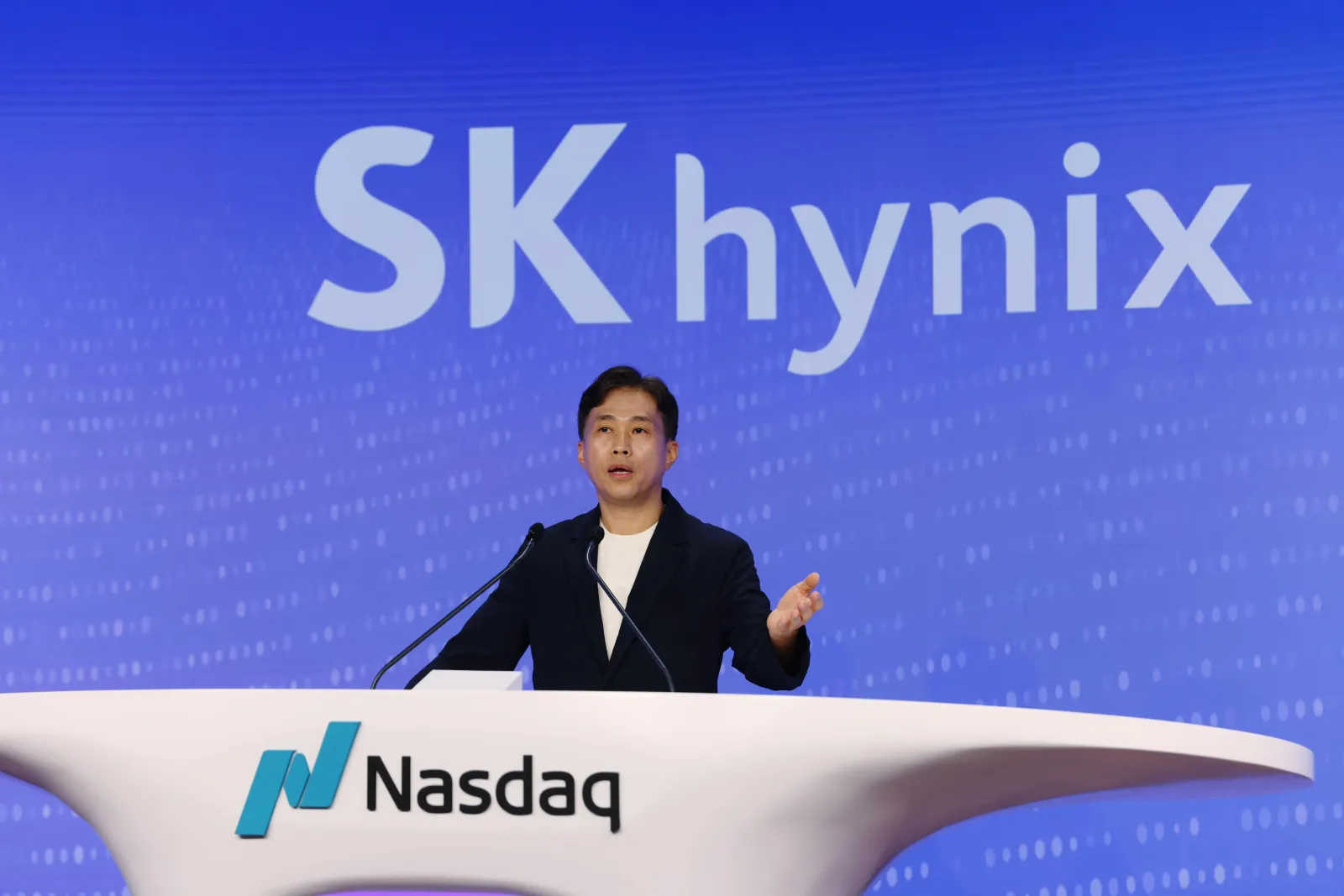
SK Hynix opens at $170, raises $26.5B, and tops foreign IPO records
In Friday's Wall Street debut, SK Hynix turns AI RAM demand into a $26.5B fundraising moment that rewrites comps.