

Netflix's 12% Revenue Jump Masks a Stagnant Viewership Problem
The streaming giant's latest earnings show profit growth, but flat engagement in the U.S. and Canada signals a ceiling for its core market.
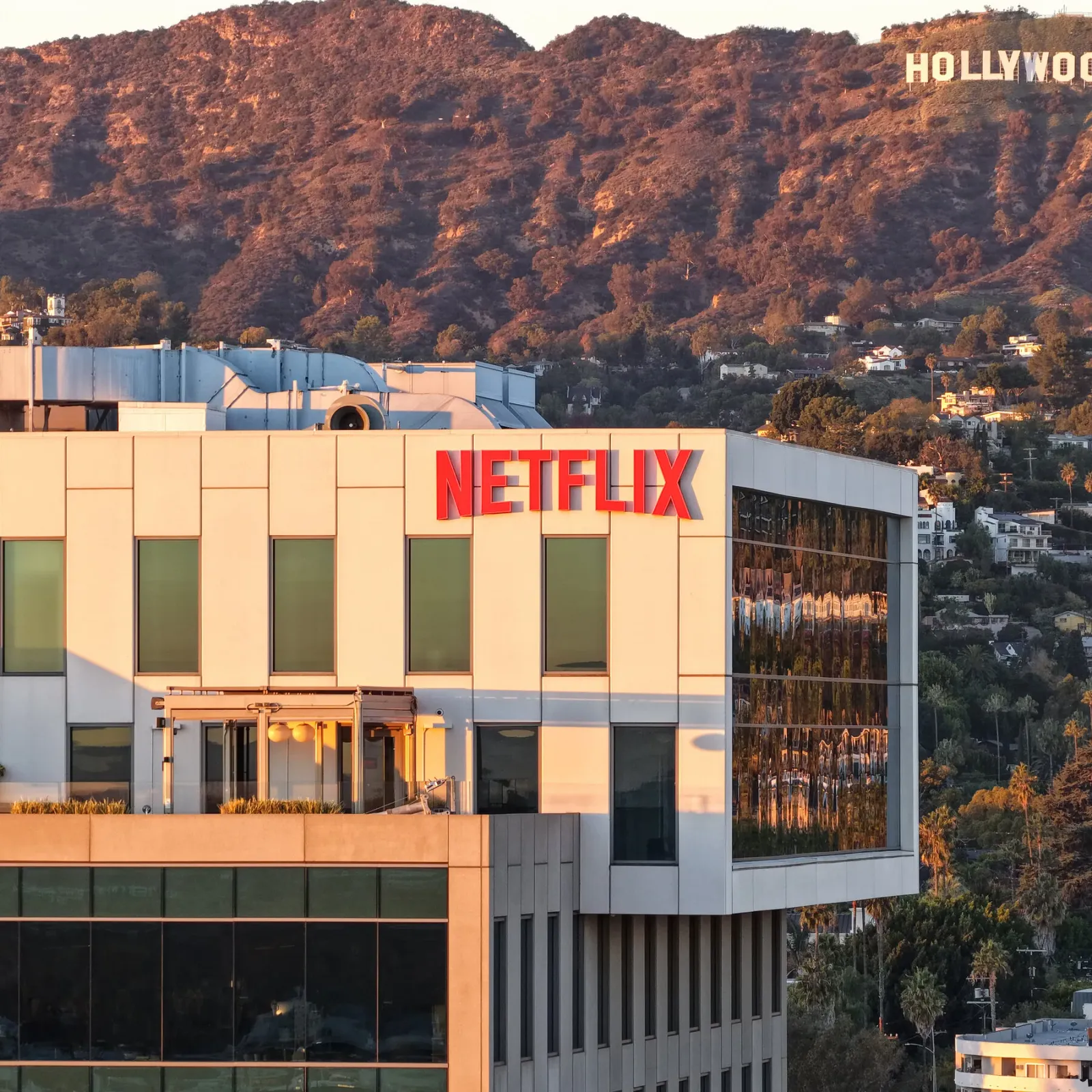
Netflix reported a 12 percent increase in quarterly revenue, but acknowledged stagnant viewership in the U.S. and Canada as a major concern. For executives, the growth is coming from price increases and new markets, not from deeper engagement in its most mature region.
Netflix just posted a 12 percent increase in quarterly revenue, but the company itself flagged a problem that no amount of money can immediately fix: viewership in the U.S. and Canada has gone stagnant. In its latest earnings report, the streaming giant called the flat engagement a "major concern," a rare admission from a company that has spent years dominating the entertainment industry. The revenue number is strong, but the viewership stall is the real story for anyone watching the streaming wars.
The tension is straightforward. Netflix is making more money than ever, but its most mature and profitable market is no longer growing in the way that matters most: time spent on the platform. For investors, this is a classic warning sign. Revenue can grow through price increases, but if viewers are not watching more, the company is essentially monetizing a shrinking pool of attention. The U.S. and Canada are Netflix's most valuable regions, so stagnation there is not a side issue. It is a strategic red flag.
To understand why this matters, consider how the streaming business works. Unlike traditional media, which sells ads against scheduled programming, streaming services depend on recurring subscriptions. That model only holds up if subscribers feel they are getting value, and value is measured in hours watched. When viewership plateaus, churn risk rises. The company's own language, calling the issue a "major concern," suggests that internal metrics are not moving in the right direction.
The broader market context makes this even more significant. The U.S. and Canada are saturated with streaming options, from Disney+ to Max to Amazon Prime Video. Netflix has been the market leader for years, but it is no longer the only game in town. In a crowded field, engagement is the key differentiator. A subscriber who watches less is more likely to cancel, and in a mature market, there are fewer new subscribers to replace them. That is why the company's revenue growth is being driven by other factors, likely including price increases and international expansion.
Streaming companies typically respond to mature-market saturation by raising prices, introducing ad-supported tiers, or investing heavily in original programming and live events. These moves can boost revenue per user, but they do not necessarily solve the underlying engagement problem. If a subscriber is paying more but watching less, the value proposition weakens. Netflix's situation is a reminder that pricing power has limits when the product itself is not becoming more essential to daily life.
For executives, the lesson is that revenue growth can mask engagement problems. A 12 percent increase in quarterly revenue is a headline win, but the underlying health of the business depends on whether customers are actually using the product. The source's framing, that Netflix is "great at making money" but has a problem "keeping viewers hooked," captures the core challenge. It is possible to be profitable and still be losing the battle for attention.
The second-order implications are significant. If Netflix's core market is stagnating, the company's future growth will have to come from elsewhere. That could mean doubling down on international markets, where penetration is lower, or finding new ways to monetize existing users. But the acknowledgment of a "major concern" in the U.S. and Canada is a signal that the company's most reliable revenue engine may be running out of fuel. For competitors, this is an opening. For investors, it is a reason to look beyond the top line.
The strategic stakes are clear. CEOs and CFOs in any subscription-based business should be tracking engagement metrics as closely as revenue. A price increase can boost revenue in the short term, but if it is not accompanied by deeper usage, it is a temporary fix. Netflix's situation is a reminder that the health of a platform is measured not just by how much money it makes, but by how much time people spend with it. The company is still a financial powerhouse, but the viewership stall is a warning that even the best money machine needs a product people want to use.
This story's Key Insights and Take-aways are locked.
Create a free account to unlock Executive Actions for one credit.
Register to UnlockAlways free for Executives Club members. Join the Club
More in Business

BioWare shuts down, Mass Effect 5 dead after $55B EA buyout
The legendary RPG studio's closure lands months after a $55 billion investment group buyout of EA, raising tough questions for gaming's biggest acquirers.

Musk barred from the room as Tesla, SpaceX boards weigh $3.5 trillion merger
The CEO of both companies is a 'conflicted party' watching independent directors negotiate a tie-up that would create a $3.5 trillion giant he would own about a third of.

Elon Musk just showcased a flying car - and it wasn't at Tesla
The Tesla CEO's latest reveal came at SpaceX, not Tesla, signaling where vertical mobility is headed.