
Netflix’s Philip K. Dick series fuses Dead Zone and 1984, flipping the usual adaptation script
Instead of creative departures, the new project leans into two classic story beats from The Dead Zone and 1984.
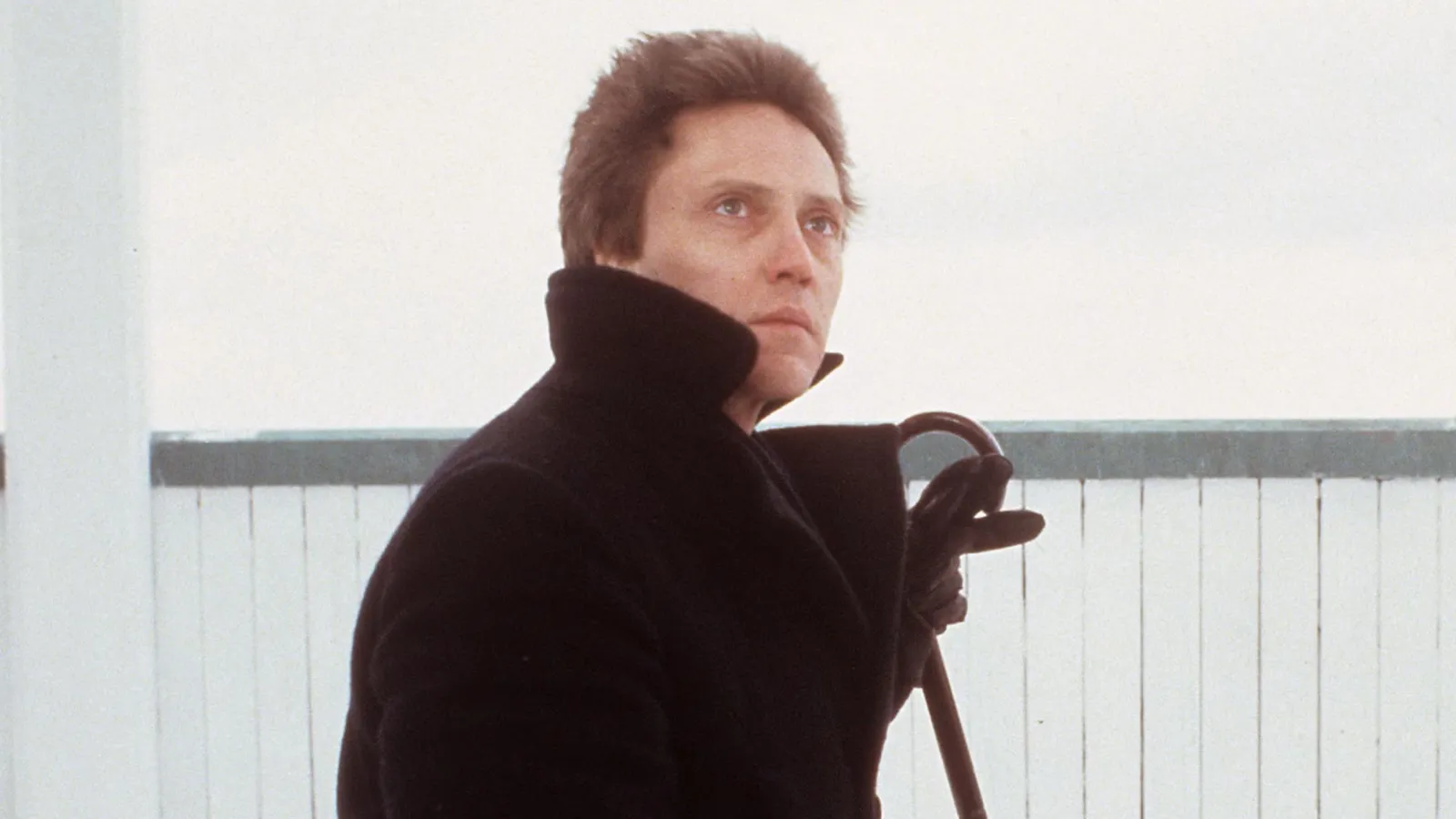
Netflix is developing an upcoming Philip K. Dick adaptation that ScreenRant says combines key story beats from Stephen King’s The Dead Zone and George Orwell’s 1984. For decision-makers in entertainment, it signals a potential shift away from risky reinvention toward source-led brand promise, with knock-on effects for audiences and content strategy.
Netflix is adapting a classic Philip K. Dick sci-fi story, and the pitch is not subtle. ScreenRant reports that the new adaptation “perfectly combines some of the best story beats from Stephen King’s The Dead Zone and George Orwell’s 1984.” That is a big deal because Philip K. Dick is one of those rare catalog names where audiences do not just want a vibe. They want a recognizable engine: ideas about control, truth, and the fragility of reality.
The second half of the headline promise is just as important. ScreenRant also points out that “more often than not, screen adaptations of Philip K. Dick’s works take massive creative leaps instead of staying true to their source material.” Translation: this Netflix move is trying something that adaptations frequently do not. It is leaning into two established, culturally loud templates from major authors, effectively aiming to deliver the pleasure of a Dick premise without the gut-check of a wild rewrite.
To understand why this matters beyond literary cosplay, you have to look at what usually goes wrong with Dick on screen. Philip K. Dick stories often thrive on twisty perceptions and alternate realities, which can be hard to translate cleanly into linear, episode-based storytelling. When creative teams feel boxed in by canon, they tend to widen the frame, invent new plot scaffolding, and “solve” the adaptation problem by changing the rules. ScreenRant’s framing suggests that the market has repeatedly rewarded those risks with mixed results, and that audiences have come to expect reinvention as the default.
Netflix, as a platform, has its own incentive structure that makes this pivot plausible. Streaming is built on retention. If an adaptation is too far from what original fans recognize, it can turn into a double loss: the existing audience does not stick, and new viewers have no emotional hook tied to the original concept. By combining story beats associated with The Dead Zone and 1984, Netflix is signaling that it wants to earn trust on day one. It is taking a known set of thematic levers and arranging them into an adaptation that, in ScreenRant’s words, “perfectly combines” them rather than discarding them.
There is also a regulatory-adjacent reality executives think about even when the story looks like sci-fi. Orwell’s 1984, as a work, is tightly connected to themes of surveillance, authoritarian control, and information manipulation. King’s The Dead Zone carries its own undertow about precognition and the consequences of extraordinary perception. ScreenRant is not making new claims about policy or legal specifics, but the implication for production is straightforward: stories about mind, control, and credibility can attract intense scrutiny when they touch themes that audiences currently map onto real institutions. Even if regulators are not directly involved at the project announcement stage, public sensitivity can shape ratings pressure, marketing tone, and risk management.
Now layer in second-order implications for boards and content leaders. If Netflix executes this “stay closer to the source beats” strategy successfully, it becomes a template that other studios may try to replicate. Not because the industry suddenly loves fidelity, but because it offers a clearer path to predictability. In an environment where budgets are large and cancellations are real, anything that makes performance outcomes feel more legible is valuable. Conversely, if the project leans too hard into familiar beats without delivering fresh narrative momentum, it could expose how hard it is to translate iconic story structures into modern viewer expectations. The upside is trust. The downside is stagnation.
For executives in adjacent roles, the strategic stake is simple: Netflix’s adaptation choices are not just creative. They are signaling how the platform intends to manage IP risk. ScreenRant’s framing makes clear that this is a contrast case. Instead of “massive creative leaps,” this adaptation is positioned as an intentional blend of two heavyweights of speculative fiction: Stephen King’s The Dead Zone and George Orwell’s 1984. If Netflix pulls it off, it sets a higher bar for future Dick projects, and it pressures the rest of the category to answer a direct question from viewers: why reinvent the core idea when you can sharpen it?
This story's Key Insights and Take-aways are locked.
Create a free account to unlock Executive Actions for one credit.
Register to UnlockAlways free for Executives Club members. Join the Club
More in Entertainment
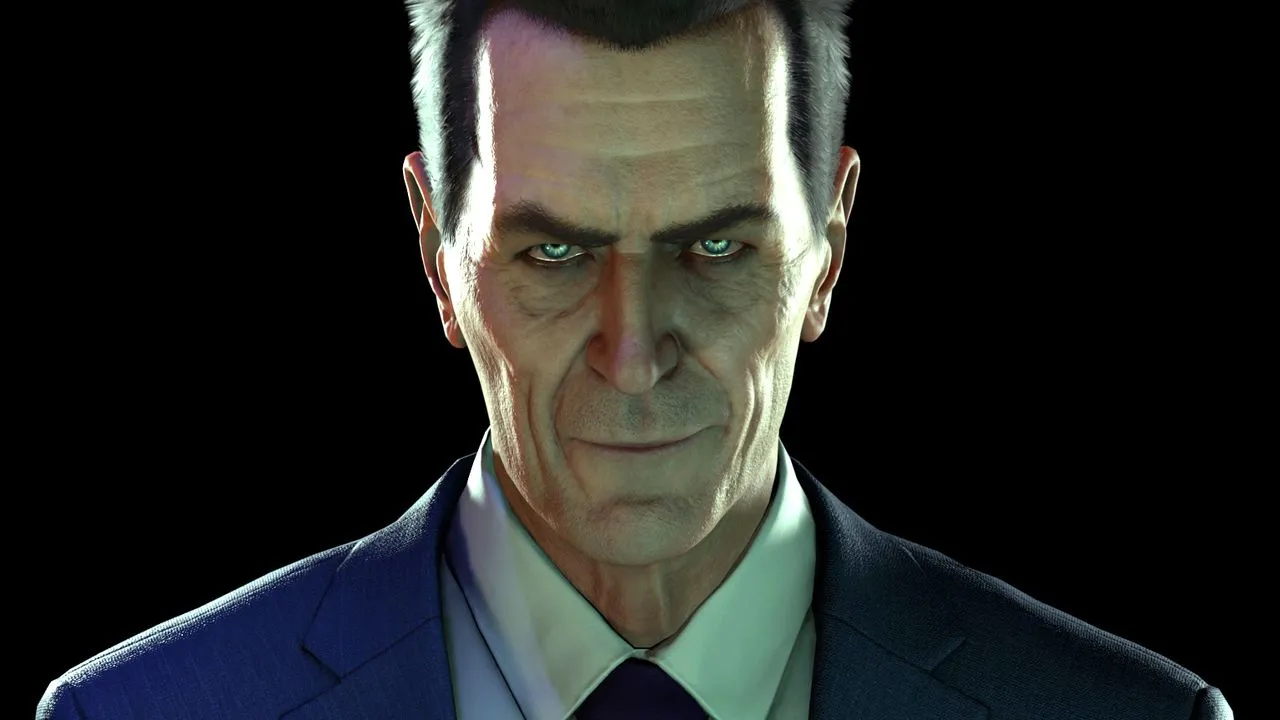
12TB Steam 'teraleak' goes beyond Valve: GTA 3, Mafia 2 prototypes exposed
A 12-terabyte dump of Steam data reveals prototypes and builds of third-party classics like GTA 3 and Mafia 2, plus unreleased Valve content, rewriting game history.

LinkedIn's romance problem: 1 in 4 workers say dating on it is fair game
A new survey shows a quarter of U.S. employees treat the professional network as fair game for romance, even as LinkedIn bans it and removes hundreds of thousands of offending posts.
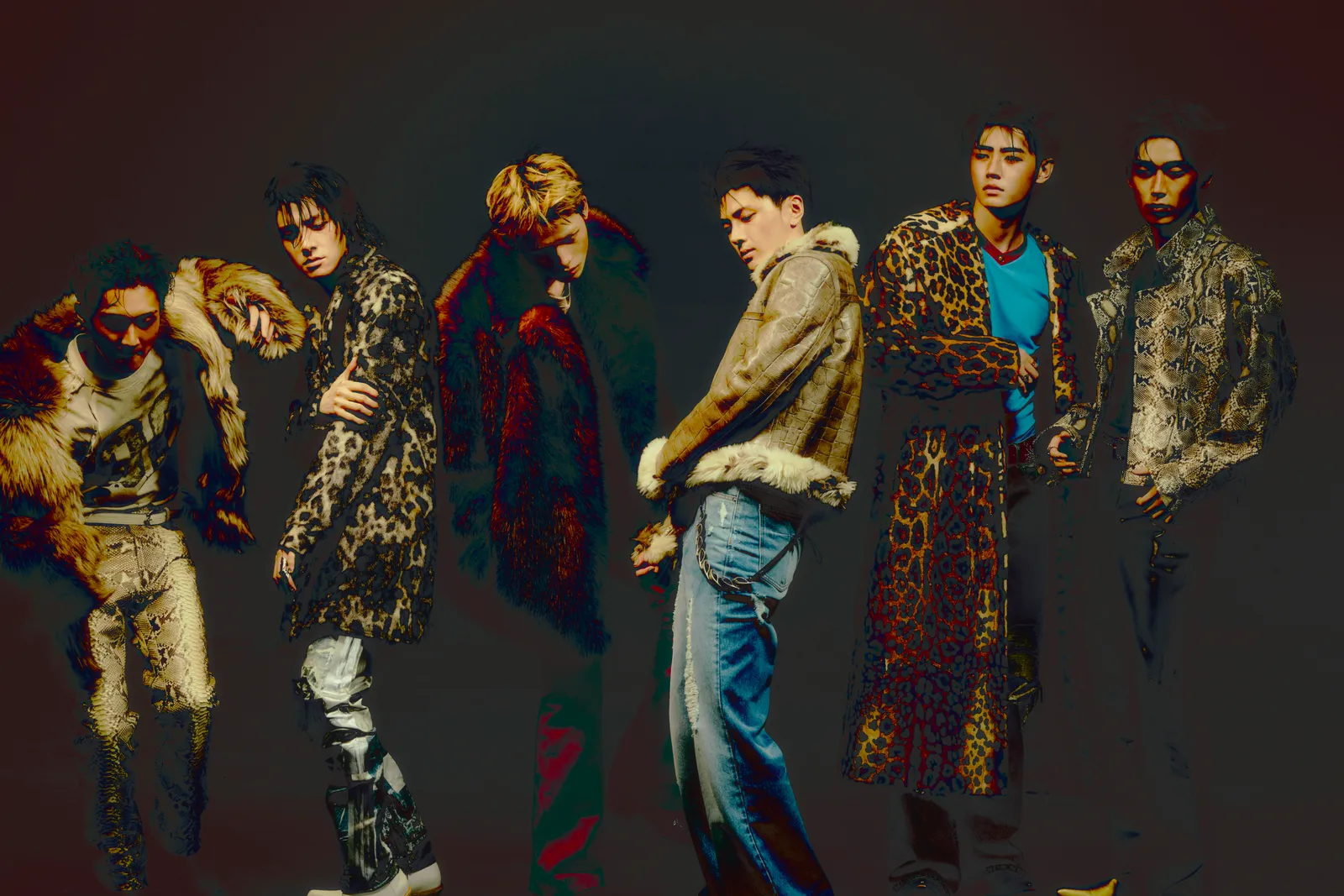
Enhypen's first No. 1 album breaks K-pop's Billboard 200 streak
The K-pop group's 98,000-unit debut tops the chart while Dolly Parton's catalog reentry shows how death reshapes streaming.