
Richard Knight says Ubisoft had to rebuild Assassin's Creed Black Flag from scratch
A 2013 codebase from a Windows-era build was too different to reuse, so the remake became a new game.
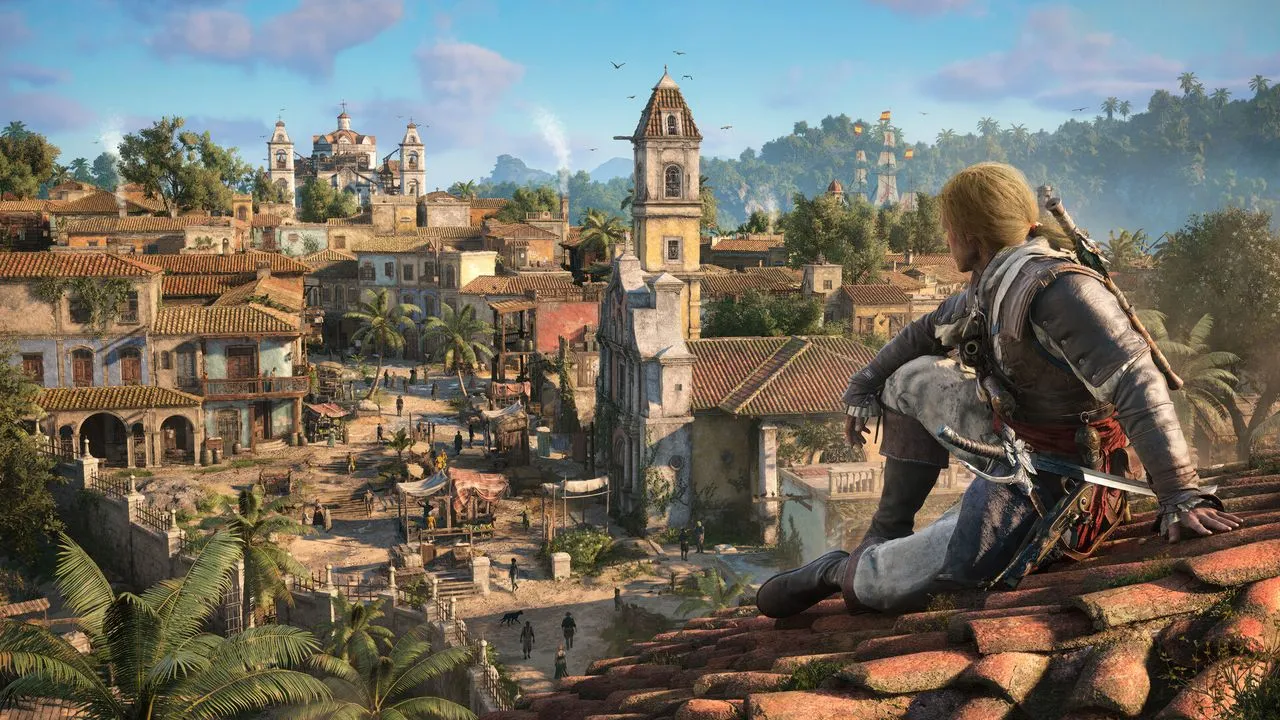
Richard Knight, game director at Ubisoft, says Assassin's Creed Black Flag Resynced required rebuilding most of Assassin's Creed 4: Black Flag because Ubisoft could not use the original code. For decision-makers, it is a reminder that remakes are often less about nostalgia and more about re-platforming risk.
Ubisoft did not just “update” Assassin's Creed Black Flag for Assassin's Creed Black Flag Resynced. According to game director Richard Knight, the studio had to rebuild most of the 2013 game entirely from scratch because the original code was largely unusable for a 2026 target. In Knight's words, “We can't use the code from the original.” He frames it bluntly as a materials problem, not an ambition problem: “it's nice to think about, but what was it built on, you know, Windows 2000? Like, it was a long, long time [ago].”
Knight spells out why that matters: “the codebase and the tech is so completely different that we use the original as reference.” So even though Black Flag Resynced is “a pretty faithful reconstruction” of one of the best Assassin's Creed games ever made, the development reality was that the team was “essentially making a brand new game.” Knight also adds the punchline: “Quite frankly, it's a brand new game.” That statement is doing heavy lifting. It tells you the remake is not simply swapping graphics or polishing controls. It is a redevelopment effort where original systems serve as a blueprint for how things worked, not a foundation Ubisoft could legally or technically keep.
The most revealing part of Knight's explanation is the precise way Ubisoft tried to reuse anything at all. He says that “sometimes we can occasionally pull an asset as a placeholder or something to model the new stuff.” That is reuse with constraints: keep select pieces, but do not assume the engine, architecture, tooling, or systems will carry forward cleanly. Instead, the team “mostly just look into the code to see how things work, to look into the data, to see how certain things worked, to learn some of the secrets.” In other words, they used the old game as a teacher, not a plug-in. They leaned on reference and reverse-engineering of behavior, then rebuilt the systems because the underlying tech was too divergent.
This kind of remake pattern is increasingly common across entertainment and tech, and Black Flag Resynced shows why from a delivery standpoint. Big changes like “the revamped combat, the graphical overhaul, the new narrative content” were always going to demand deeper work. But what Knight highlights is the uncomfortable middle: even when the remake “sticks to the original's story and open-world structure very closely,” Ubisoft still “weren't able to lean on archival code.” That means teams cannot count on a straightforward cost curve where nostalgia automatically reduces complexity. When core systems have to be re-engineered, timelines and labor shift from “content production” toward “platform reconstruction.”
The incentive question for executives is not whether remakes are popular. It is whether they can be controlled like a predictable production line. Knight explicitly notes that rebuilding has a strategic upside: “So, when you go fresh sometimes that gives you the ability to make changes.” That is the business case hidden inside the technical admission. A blanker slate can reduce legacy bottlenecks, enable modernization, and support “the best case version” of systems. But it also concentrates risk. If you cannot reuse code, you cannot simply “port.” You must validate everything again: gameplay feel, progression, AI behaviors, open-world interactions, and the integration of narrative additions. The remake's fidelity becomes a design and QA burden, not a copy-paste outcome.
Regulatory framing is not the center of this particular interview, but the same governance logic applies in adjacent domains where legacy systems collide with modern requirements. When companies move from older tech stacks toward newer ones, they often face scrutiny around security, data handling, and compatibility with modern operating environments. Knight's “Windows 2000” reference is a reminder that the closer the original is to a different era of tooling, the less transferable the assumptions become. For board-level audiences, that translates into a practical lesson: the “remake” label can mask the same diligence you would run for any large platform migration.
Finally, the DLC angle hints at the long tail of commitment after a rebuild. Knight and the project lead confirm that “devs already 'have DLC ideas,'” which implies that building anew can open room for expansion. But the source also closes a door: it does not mean “Freedom Cry is coming.” The line is direct: “It's definitely a game we remember.” That distinction matters for decision-makers because it separates memory and marketing from roadmap commitments. A rebuild can create the technical capacity to ship more content, yet it does not guarantee any specific DLC will follow without deliberate planning and resourcing.
Strategic stakes for peers in similar roles are straightforward. If your team is considering a remake, the Black Flag Resynced development story is a warning against underestimating codebase drift. Knight's “use the original as reference” approach is a viable method, but it is not free. The systems “we just rebuilt” signal that the remaster-like timeline fantasy can break quickly when the original foundation is too old, too different, or too incompatible. In boardrooms and operating plans, that is the real takeaway: remakes can deliver fidelity, but they often behave like redevelopment, and you need to staff, budget, and de-risk accordingly.
This story's Key Insights and Take-aways are locked.
Create a free account to unlock Executive Actions for one credit.
Register to UnlockAlways free for Executives Club members. Join the Club
More in Entertainment
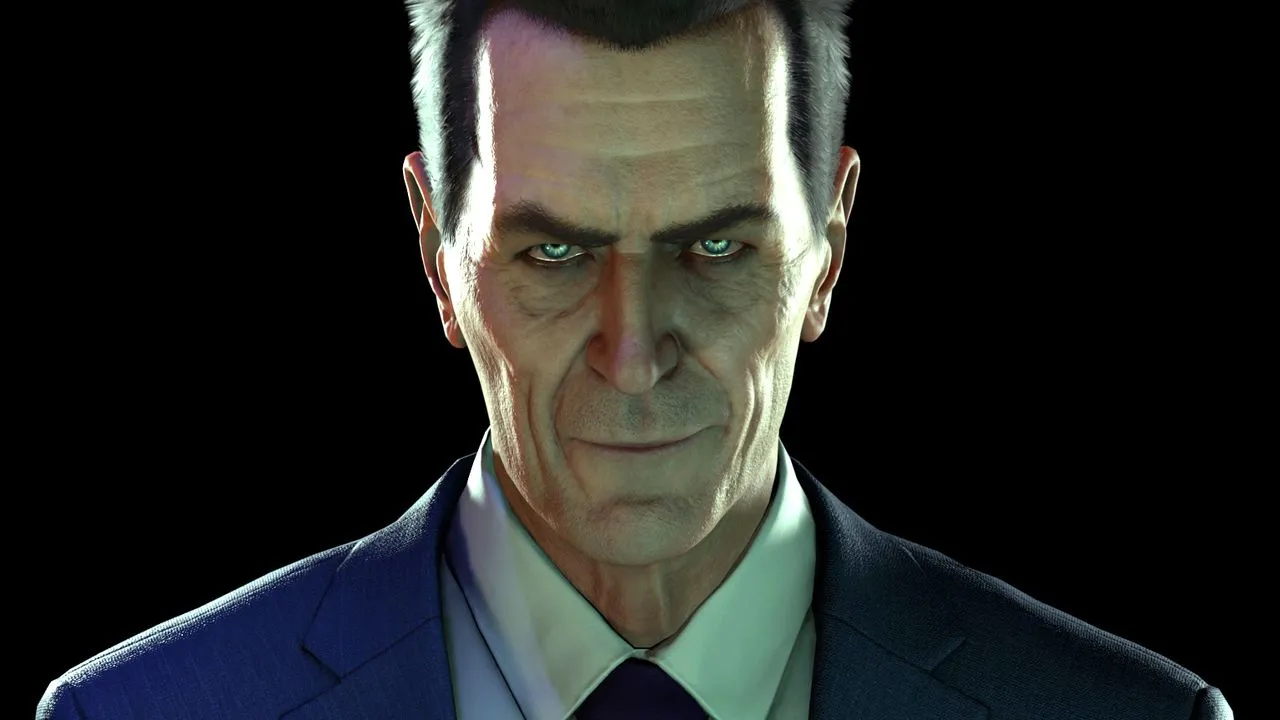
12TB Steam 'teraleak' goes beyond Valve: GTA 3, Mafia 2 prototypes exposed
A 12-terabyte dump of Steam data reveals prototypes and builds of third-party classics like GTA 3 and Mafia 2, plus unreleased Valve content, rewriting game history.

LinkedIn's romance problem: 1 in 4 workers say dating on it is fair game
A new survey shows a quarter of U.S. employees treat the professional network as fair game for romance, even as LinkedIn bans it and removes hundreds of thousands of offending posts.

Enhypen's first No. 1 album breaks K-pop's Billboard 200 streak
The K-pop group's 98,000-unit debut tops the chart while Dolly Parton's catalog reentry shows how death reshapes streaming.