

Netflix’s Unhinged makes players use their phone, and the immersion backfires
Ava needs your handset for 30 minutes, but constant Claire calls and finicky aiming undercut the point-and-click horror.
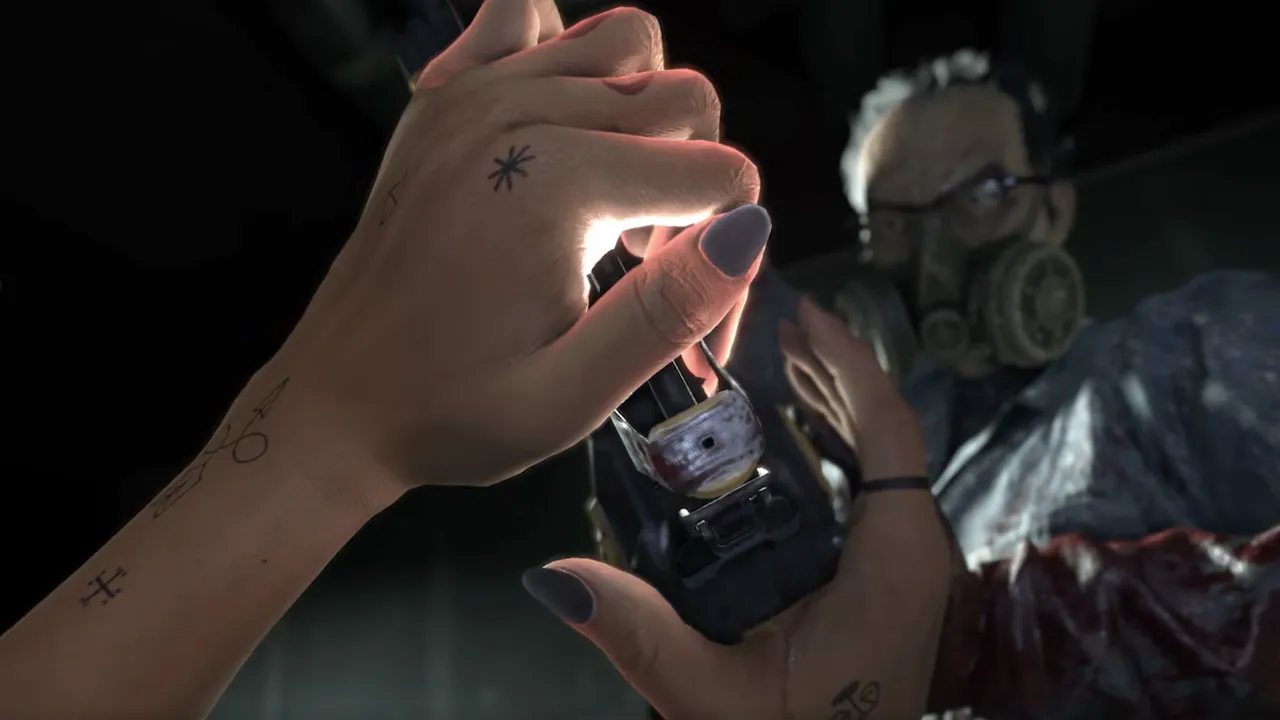
Netflix Games released Unhinged, a horror game built around phone-as-controller gameplay from Zach Cregger and David Fincher, starring Zoë Kravitz. For decision-makers in interactive media, it is a live test of whether “cool” new input can beat usability friction.
Netflix Games finally tried to solve the “get viewers off their phones” problem by making players use their phones for real. In Unhinged, you connect your smartphone and use it instead of a controller or keyboard, functioning as Ava’s phone while she calls her friend Claire for help and runs away from a killer covered in blood. It is conceptually immersive, but the review lands on a harsh reality: when the device is the interface, the interface becomes the enemy.
The most immediate glitch is also the most avoidable. Claire calls the player throughout the game, and the reviewer explicitly questions why Claire is “calling me when the killer was stood a few feet away,” and why Ava does not put the phone on silent. The reviewer even tried a workaround, putting their own phone on “do not disturb” halfway through. In a horror game, tension is the product, and constant interruptions from the phone turn tension into distraction.
This is the core design bet Netflix is making: point-and-click horror is hard because it can remove agency when players feel funneled into choices. Unhinged leans hard into agency through a real-world prop, your temperamental phone, instead of traditional inputs. The reviewer “sees the vision,” especially in moments where the handheld creates the feeling that Ava really is texting Claire for direction or using its torch to illuminate dark hallways after a devastating hurricane takes out electricity. That is the “phone-as-presence” angle paying off.
But immersion is not the same thing as good control. Unhinged also uses the phone as a cursor and point-and-click tool, and the review describes the accuracy as “temperamental,” particularly in quick-time events where you have to make a fast escape or reach for something to defend yourself before the blood-covered man lunges. Translation: when the moment gets survival-critical, the input device reliability becomes the difference between fear and frustration. For a 30-minute horror experience, there is little time to absorb or adapt to friction, and the reviewer says Claire was “lighting up my phone for almost all of that.”
This matters beyond one game because Netflix is effectively treating interactive design like a distribution and retention lever, not a side quest. Netflix’s business model depends on keeping attention inside its ecosystem, and games are one of the most direct ways to do that. But the product still has to survive human behavior. Players already arrive with phones in hand; the question is whether the phone enhances gameplay or just adds notifications, battery quirks, and input inconsistency. Unhinged is a live experiment in forcing a “second screen” workflow, and the review suggests the workflow is the weak link.
Even the casting reinforces what Netflix is trying to sell: premium performance as the immersion glue. Zoë Kravitz stars as the protagonist Ava. Sadie Sink plays Claire, and Troy Baker voices the killer. The reviewer says their acting is “absolutely amazing” and that performance immerses them more than the phone/controller substitute. That is a telling second-order signal for executives: narrative and performance can carry a game, but it cannot fully patch broken input ergonomics. If the interface keeps disrupting the scene, the acting will always be competing with the phone buzz.
There are also product-definition implications for Netflix Games. The reviewer describes Unhinged as a “very short horror game,” about 30 minutes long, and notes that suspense is limited in a meager runtime. It is an experience shaped like a demo, and that can be fine for horror if the delivery is tight. But if the primary mechanic forces a shaky interface, the shorter the game, the less likely players are to forgive the friction. The review closes with a conditional recommendation: if you have 30 minutes, a Netflix subscription, and you download Netflix’s controller app, you can try Unhinged. Praise stays bounded because the reviewer says it would have earned higher approval with a longer run time and the ability to use a keyboard and mouse.
For decision-makers, Unhinged is not just a game review. It is a stress test of interaction design in a Netflix context where the audience expects simplicity and speed. For studios and platforms, the second-order question is whether “novel hardware integration” scales across devices and real-world user settings, or whether it creates avoidable failure points. In other words: Netflix can make you reach for your phone, but can it make that reach feel seamless? The answer in this case is mixed, and that mix is the stake for anyone building the next wave of interactive experiences.
This story's Key Insights and Take-aways are locked.
Create a free account to unlock Executive Actions for one credit.
Register to UnlockAlways free for Executives Club members. Join the Club
More in Entertainment

Russell Brand's accuser 'bewildered and confused' as he denies 7 sex charges
The criminal case against the comedian is a live test of how media companies manage talent risk when serious allegations go public.

'It's a Magic Trick': Ballet Experts Say Rosalía's SNL Pose Is Impossible
Three ballet experts tell Rolling Stone Rosalía's gravity-defying SNL stillness shouldn't be possible - and why the debate is now part of the show.

Activision CMO: GTA 6 Will Boost Call of Duty, Not Bury It
Activision's top marketer says Rockstar's blockbuster will drive players back to consoles and into Modern Warfare 4, even as the company admits its recent strategy failed.