

Netflix shares drop 8% as it publishes engagement yearly starting after Q1 2027
Weak quarter plus a shake-up in how often Netflix releases viewing data put Wall Street on edge.

Netflix posted lukewarm second-quarter results and said it will cut back how frequently it shares engagement data, changing twice-yearly engagement reports to once a year starting after the first quarter of 2027. The stock fell more than 8%, amplifying investor pressure on Netflix's growth and its ability to keep engagement rising.
Netflix shares fell over 8% after it posted lukewarm second-quarter earnings on Thursday afternoon and said it will change how frequently it releases engagement data. The shift is specific: Netflix will move from publishing engagement reports twice a year to once a year, starting after the first quarter of 2027.
That matters because investors have been increasingly fixated on whether Netflix can keep growing engagement, not just hitting quarterly numbers. In the first half of the year, shows like “I Will Find You” helped Netflix grow its global viewing by 2%, and Netflix reported total engagement was up slightly in that same period, with global viewing hours rising 2% to 97 billion hours. Netflix also gave investors a preview of the internal trade: it wants to separate the timing of engagement reporting from earnings releases, with the explicit goal of keeping focus on “primary financial metrics - revenue and operating profit.”
Zoom out and you get why Wall Street reacted this way. Netflix’s second-quarter revenue and earnings were roughly in line with modest guidance, and it still managed to disappoint enough to trigger a sharp selloff. Revenue rose 13.4% to $12.56 billion, just below estimates for $12.58 billion, and earnings per share came in at $0.80, versus analysts’ expectations of $0.79 per share, according to Bloomberg. Even being “roughly in line” was not enough because the bar was already set low by guidance from the prior quarter that had spooked investors. Since its first-quarter report, Netflix’s stock had fallen 31% in the three months leading up to this update.
So the engagement-reporting change is not just a calendar tweak. It’s a signal about how Netflix wants the market to interpret its performance. Netflix described engagement as more than the quantity of viewing hours, saying engagement refers to “the quality and variety of our offering.” The company said the goal of separating the publication of the report from earnings results is to keep the focus on revenue and operating profit.
This is the kind of move that executives make when they feel the market is over-reading one metric at the wrong time. Netflix has already leaned on growth levers that make boards and investors nervous, like price hikes and crackdowns on password sharing. The next lever is engagement and, by extension, retention and ad growth. Viewership is important to Wall Street for a simple reason the source spelled out: habitual viewers tend to accept price hikes more easily and are less likely to cancel. Engagement also matters for Netflix’s ad business, which Netflix reiterated it expects to land around $3 billion in ad revenue for the full year.
Netflix is also trying to become, at least in part, more like YouTube. The source notes Netflix’s efforts included investing in video podcasts, adding a short-form video feed, and bringing three-minute videos about cooking and travel to its platform. The strategic worry underneath those product moves is that the competition for attention is increasingly coming from free apps. Forrester research director Mike Proulx warned ahead of the report that it has gotten tougher for Netflix to maintain attention as consumers increasingly get their video fix from short-form platforms.
And there’s a more subtle tension executives should notice: the “must-watch” identity that made Netflix a differentiated paid service could be diluted if Netflix adds more content formats that feel closer to the free, fast-scrolling world. Proulx framed it as an open question, asking whether consumers actually want Netflix to become more like YouTube, and warning that as streaming services add more content formats, they risk diluting what differentiates them. Netflix, in other words, is not just fighting other paid streamers like a classic subscriber-growth chess match. It may be fighting attention itself, split across YouTube, TikTok, and Instagram.
Not everyone agrees engagement concerns will dominate the story. Morgan Stanley media analysts, led by Sean Diffley, wrote in a recent report that “investors are overly focused on the headline hours number,” adding that it “does not correlate nearly as much to revenue growth as many fear.” They also pointed to Netflix’s relative position: Netflix is far ahead of its paid peers in monthly viewership on US TVs, according to Nielsen. And Netflix has an industry-low cancellation rate of 2%, per subscription analytics firm Antenna. But even if those arguments are right, they do not prevent the market from punishing anything that looks like slowing momentum, especially after a period where the stock has already been down 31% since the first-quarter report.
For boards and senior finance leaders, the second-order implication is clear: Netflix is trying to manage how and when the market consumes its engagement narrative. By moving to once-yearly engagement reporting after the first quarter of 2027, Netflix is effectively reducing the frequency of a metric that has become a proxy for consumer value and competitive strength. Whether that change calms investor nerves or just shifts the spotlight remains the question. For peers watching from the sidelines, the takeaway is that in streaming, measurement cadence is strategy, and the market’s patience can evaporate even when quarterly results are technically “in line.”
This story's Key Insights and Take-aways are locked.
Create a free account to unlock Executive Actions for one credit.
Register to UnlockAlways free for Executives Club members. Join the Club
More in Business

Uber buys Delivery Hero for nearly $15B, vaulting to top food delivery outside China
The deal doubles Uber's dual-services footprint and pushes a ride-and-eats bundling play into 50 more markets.

Epic and Google drop settlement bid, forcing rival Android app stores by July 22
Google told the court it is ready to carry third-party app stores starting Wednesday, July 22.
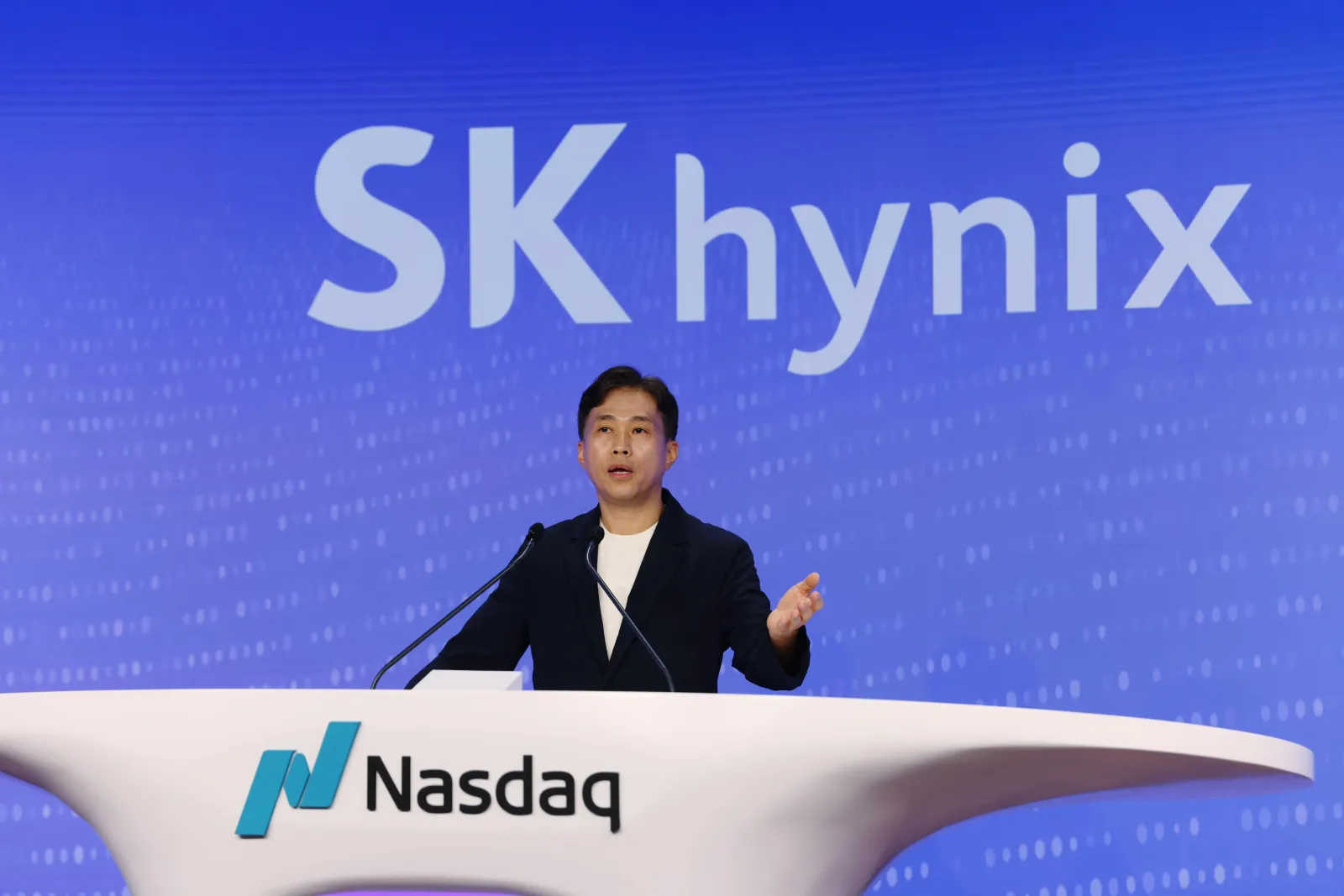
SK Hynix opens at $170, raises $26.5B, and tops foreign IPO records
In Friday's Wall Street debut, SK Hynix turns AI RAM demand into a $26.5B fundraising moment that rewrites comps.