

Netflix takes “The Murder of JonBenét Ramsey” from Paramount+ for a winter global release
Melissa McCarthy and Clive Owen star as the limited series shifts streamers after a late-2024 Paramount+ stop.

Netflix has picked up “The Murder of JonBenét Ramsey” after Paramount+ dropped it late last year, with a winter global release planned. The switch affects scheduling, brand risk, and content strategy for executives tracking streamer competition and high-profile true-crime bets.
Netflix is moving fast on a project with instant built-in attention. “The Murder of JonBenét Ramsey,” a limited series starring Melissa McCarthy and Clive Owen, has landed at Netflix after being dropped by Paramount+ late last year, and the completed series will release globally this winter.
For decision-makers, the key fact is not just that the show exists, it is that it survived a major platform reversal. Paramount+ decided not to move forward with the series late last year, leaving the completed production in limbo. Now Netflix will deliver it, which means the story shifts from “shelved” to “scheduled,” with all the operational and brand implications that come with that kind of late-stage change.
The casting also matters because it signals how streamers price credibility and mainstream pull. McCarthy and Owen will star as JonBenét’s parents, Patsy and John Bennett Ramsey, respectively. The series is written by Harrison Query and Tommy Wallach. It is designed to tackle the unsolved case and the public outcry that has surrounded JonBenét Ramsey’s death for years, using multiple perspectives, including the Ramsey family, investigators, and media discourse, according to sources with knowledge of the production.
That “multiple perspectives” structure is not just storytelling flavor. For platforms, it is a risk-management and engagement strategy rolled into one. When a project is rooted in a real, decades-old tragedy, the narrative choices can determine whether audiences feel informed, entertained, or alienated. And when the series crosses from one streamer to another, those choices travel with it, effectively turning platform-swap into an editorial and PR exercise, not just a licensing deal.
Netflix’s winter window is also a reminder of how brutal content math can be. A completed series that sits idle represents sunk costs and opportunity cost at the producer level and potentially at the rights-holder level. Paramount+ picked up the limited series formally in September 2024, with filming wrapped in January 2025. That timeline underscores the weird reality of streamer economics: a show can move forward through production, only to be paused when internal priorities shift. The moment it stops, the business problem becomes how long it can remain “finished but waiting,” and who is willing to take it on.
The production team includes some heavyweight industry names, which matters for board-level comfort. LaGravenese, Query, Wallach, McCarthy, and Sewitsky executive produce with Glasser, Ron Burkle, Bob Yari, David Hutkin for 101 Studios. From an operator standpoint, that kind of packaging can help a platform decide it is not just buying a title, it is acquiring a ready-to-go pipeline asset with experienced commercial execution. In other words, the show is not a greenlight gamble at this stage. It is a question of distribution, positioning, and whether the resulting audience attention is worth the reputational heat.
Harrison Query’s connection to the story is another interesting piece of the incentives puzzle. Query initially pitched “The Murder of JonBenét Ramsey” to the previous Paramount ownership, and he felt a personal connection because he was in the same kindergarten class as JonBenét. That detail is not just trivia. When creators attach personal stakes to a subject, the project can take on additional editorial weight, and it may be harder for a platform to “iterate away” from controversy. Platforms that greenlight that kind of material often expect it to be thematically coherent and execution-stable. When Paramount+ reversed course late last year, it effectively forced a question: was the business risk the issue, or was the platform fit?
For peers watching, this is a case study in how streamer competition works when the content is already cooked. Netflix gets a global release for a winter slot, and Paramount+ avoids moving forward after late-2024 reconsideration. That kind of swap tells operators to treat scheduling and platform strategy as living variables, not fixed commitments. It also highlights why boards and executive teams obsess over “options value” in content: a title that can move platforms after production can be both a capital efficiency play and a brand-management challenge.
In short: a limited series about an unsolved, highly scrutinized case is now headed to Netflix for a winter global release, after Paramount+ dropped it and left the completed show in limbo. If you are an executive managing content portfolios, this is the reminder that the platform you picked can change, sometimes at the worst possible time, and the winning move is often being the one ready to take “finished” assets off the shelf and put them in front of audiences before the cultural moment cools.
This story's Key Insights and Take-aways are locked.
Create a free account to unlock Executive Actions for one credit.
Register to UnlockAlways free for Executives Club members. Join the Club
More in Business
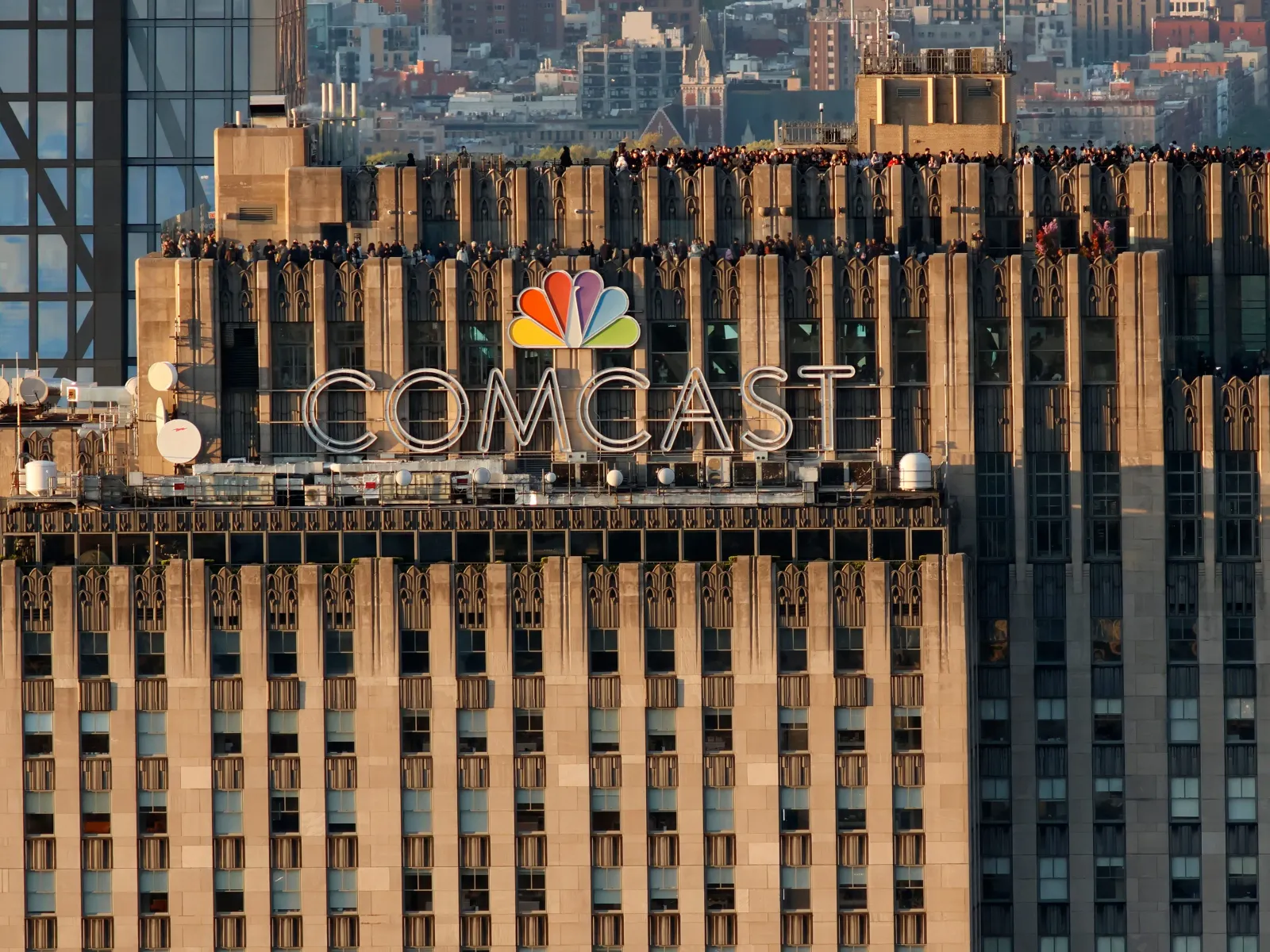
Comcast shares jump 25% as it plans to split NBCUniversal and Sky
The tax-free spin-off could reshape focus, funding, and competition across media and tech for years.

Bungie cuts most Destiny 2 staff as Sony says Marathon still matters
Herman Hulst confirms layoffs affecting most Destiny and some Marathon teams after Bungie admits Destiny fell short.

SK Hynix jumps 11% after seeking up to $29.4B in Nasdaq listing
The chip giant filed for a Nasdaq listing plan that could raise $29.4 billion, instantly reshaping investor expectations.