
Netflix teams with Sega and Atlus to adapt Persona into live-action series
A new Persona live-action deal turns a cult RPG into mainstream TV, with major production partners in the mix.
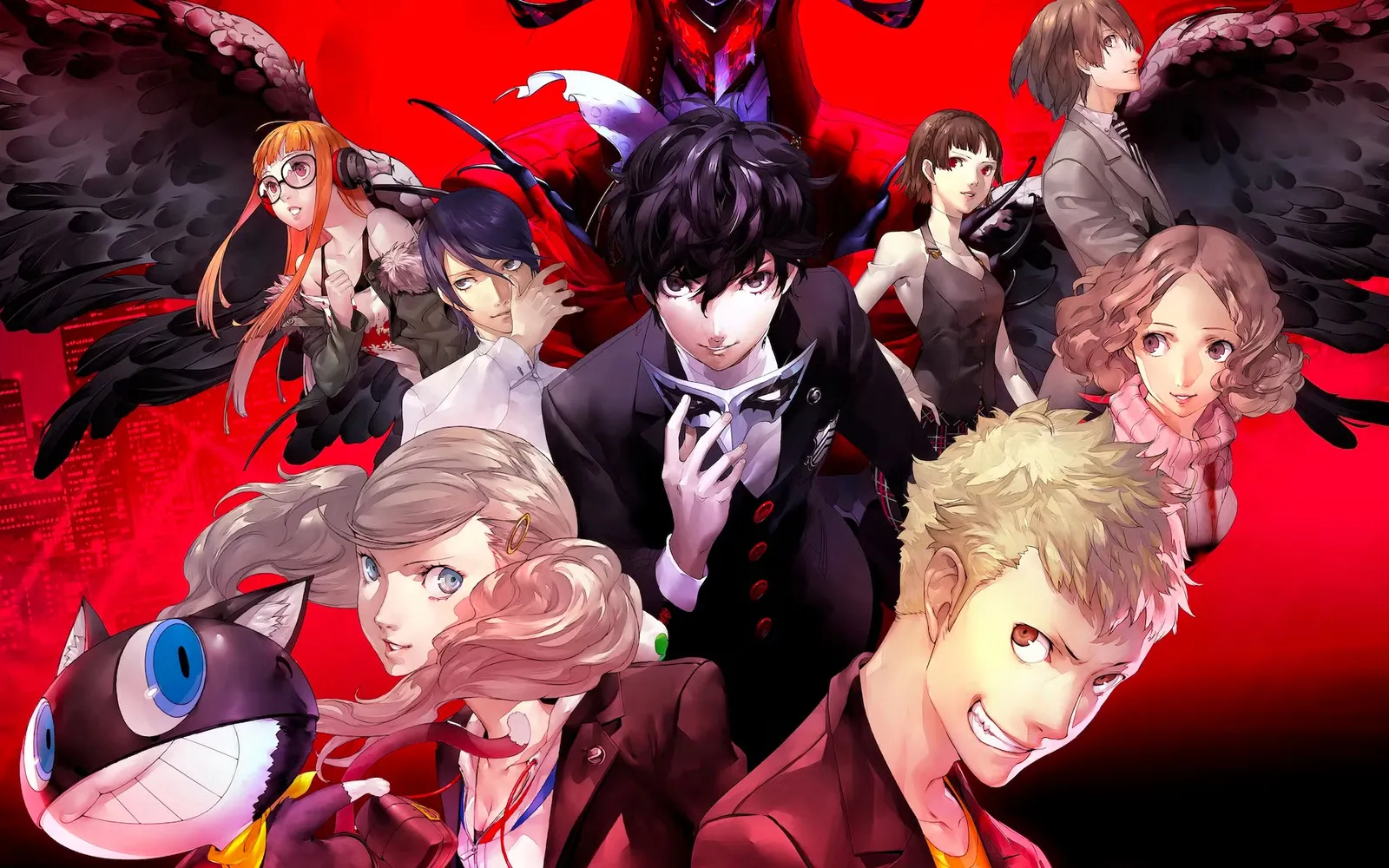
Netflix is developing a live-action TV series based on Atlus' Persona RPG franchise, according to a new report. The series is being produced by Story Kitchen, which makes Sega's Sonic films, and 21 Laps, the Shawn Levy-founded company behind Stranger Things.
Netflix is developing a live-action TV series based on Atlus' Persona role-playing game franchise, according to a new report. The project is positioned as a full-scale series adaptation, not a one-off special, which is a meaningful distinction when you are judging workload, cost structure, and how much IP risk Netflix is willing to underwrite.
The series is being developed by production company Story Kitchen, which produces the Sonic the Hedgehog film franchise for Sega, and 21 Laps, the production company founded by Shawn Levy, who produced Stranger Things. That pairing matters because it signals two things at once: Netflix wants adaptation muscle from teams that have already translated games to screen, and it wants the credibility of production leadership tied to one of the biggest modern TV franchises of the streaming era.
For decision-makers, the Persona choice is the latest data point in a bigger pattern: streamers are still building long-term IP libraries, but they are doing it through adaptations that can come with built-in audience intent. Persona is already a known brand in gaming circles, and Netflix's bet is that the series format can convert that fandom into something closer to mainstream viewership. In business terms, the company is taking a familiar route, but with the stakes typical of Netflix-style originals: launch momentum is everything because the economics of series are tied to recurring engagement, not just one-time content consumption.
The production lineup also hints at where Netflix thinks the adaptation “mechanics” live. Story Kitchen's track record in producing Sega's Sonic the Hedgehog film franchise for Sega suggests experience navigating game IP translation, from character design expectations to fan sensitivity around world-building. If your job is to keep audiences from feeling like they got a generic story stapled onto a beloved universe, that kind of prior work tends to matter.
Meanwhile, 21 Laps brings an operator's perspective shaped by streaming success. The company was founded by Shawn Levy, and it produced Stranger Things, one of Netflix's signature shows. That matters for more than brand bragging rights. Series development for a platform like Netflix usually requires a disciplined approach to pacing, season arcs, and character-first writing that keeps viewers returning even when the plot structure is complex. A production company associated with that track record is often seen as a shorthand for “we know how to make people binge responsibly.”
Regulatory and policy context matters here, even if this report is primarily about production. Live-action adaptations are typically governed by IP licensing agreements, talent and rights negotiations, and region-specific distribution considerations. For board-level readers, the relevant point is that adaptation deals can be simpler than entirely new universes, because rights holders have clearer boundaries, but they can also be more complex if the IP involves multiple stakeholders. The report specifically names Sega and Atlus as part of the teaming arrangement, which signals that Netflix is not working alone. When multiple rights entities are involved, contract structure becomes a strategic lever, affecting everything from creative control to release timelines and downstream monetization.
Second-order implications also extend to the market for game-to-screen content. Netflix is competing for attention in a crowded space where audiences have gotten increasingly selective about which adaptations feel faithful and which feel like cash grabs. The fact that the project has established production companies attached, including Story Kitchen tied to Sega's Sonic films and 21 Laps tied to Stranger Things, is likely meant to reduce the “risk premium” investors and partners mentally apply to game adaptations. It tells peers that Netflix is not experimenting in a vacuum. It is building with partners that have already handled comparable translation work.
Strategically, this is a reminder that Netflix's IP strategy is not only about acquiring franchises, it is about building a production pipeline that can repeatedly convert existing fan bases into series-scale engagement. For executives at streaming platforms, studios, and production groups, the Persona development is a signal to watch two things: who gets the adaptation jobs, and what production “provenance” becomes the differentiator. If Netflix can translate Persona into a live-action series using production teams with proven gaming and streaming successes, expect more pressure across the industry to turn credible production teams into competitive advantage, not just creative garnish.
This story's Key Insights and Take-aways are locked.
Create a free account to unlock Executive Actions for one credit.
Register to UnlockAlways free for Executives Club members. Join the Club
More in Entertainment

Russell Brand's accuser 'bewildered and confused' as he denies 7 sex charges
The criminal case against the comedian is a live test of how media companies manage talent risk when serious allegations go public.

'It's a Magic Trick': Ballet Experts Say Rosalía's SNL Pose Is Impossible
Three ballet experts tell Rolling Stone Rosalía's gravity-defying SNL stillness shouldn't be possible - and why the debate is now part of the show.

Activision CMO: GTA 6 Will Boost Call of Duty, Not Bury It
Activision's top marketer says Rockstar's blockbuster will drive players back to consoles and into Modern Warfare 4, even as the company admits its recent strategy failed.