
Netflix weighs 24/7 “always-on” live TV channels as engagement cools
A report says Netflix is testing the idea of live, non-stop channels to boost subscriber stickiness and reduce churn risk.
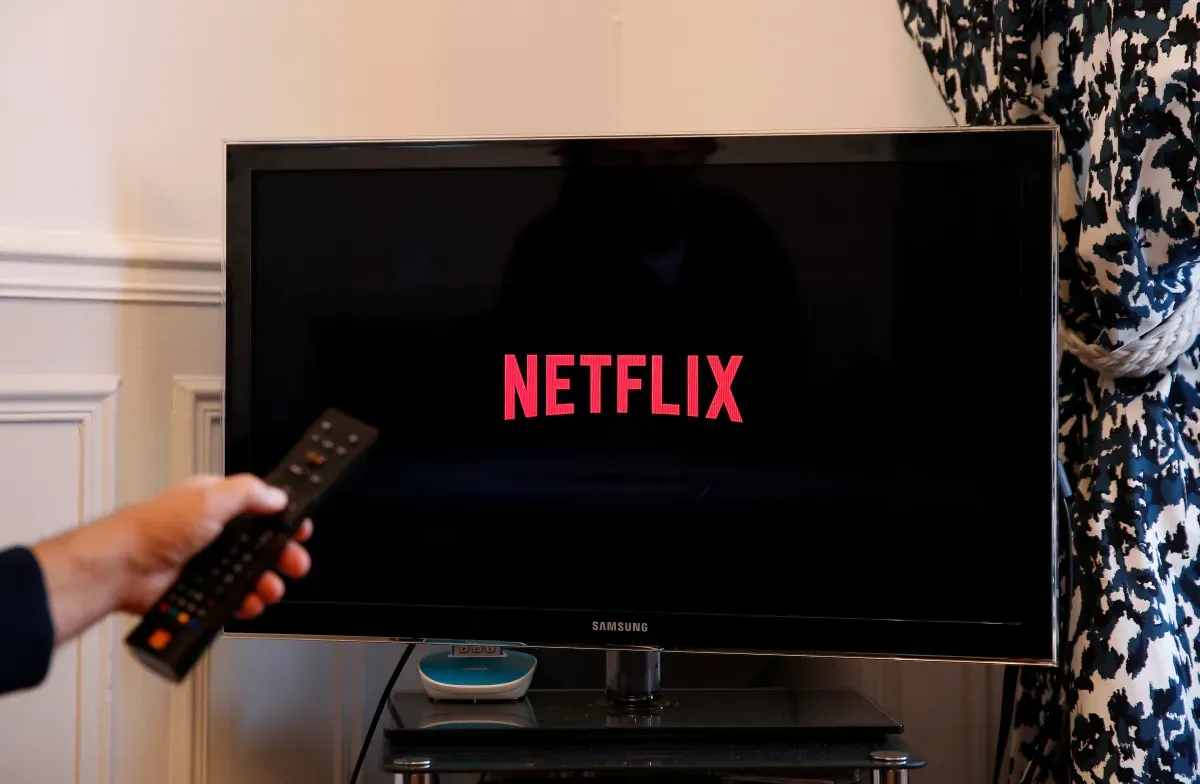
Netflix is reportedly considering launching “always-on” live TV channels that would run 24/7 for subscribers. For decision-makers, it signals a shift from purely on-demand libraries toward more scheduled programming that can change retention dynamics.
Netflix is reportedly considering launching “always-on” live TV channels, giving subscribers something to tune into 24/7. The timing matters because the idea is emerging amid “signs of slowing engagement,” a phrase that usually translates into one anxiety for any subscription business: people are spending less time with your product, which can make cancellations easier.
If you run a streaming service, engagement is not a vanity metric. It is a proxy for habit. “Always-on” live channels aim to create a reason to stay on the app, even when viewers are not actively searching for a title. In other words, Netflix is exploring a move that shifts the user experience from “pick what you want” to “something is always happening,” which can directly impact how often subscribers open the app and how long they linger.
To understand why Netflix would explore this now, it helps to look at how streaming competition typically plays out. On-demand has been the dominant paradigm: large catalogs, recommendation engines, and binge-friendly release cycles. But catalogs can also become a decision tax. When everything is available, viewers can spend more time scrolling than watching. Always-on live channels try to solve that problem by reducing choices in the moment and increasing passive consumption. That is a subtle but powerful behavioral bet.
There is also an economic subtext. Live programming, even if it is not sports, is often viewed by platforms as a way to make viewing more predictable. That can matter operationally (scheduling, curation, and content planning) and commercially (advertising opportunities, depending on how Netflix would package or monetize such channels). The source does not spell out monetization details, but the direction itself is the tell: Netflix would be building a format that is more compatible with scheduled programming behavior, which historically has been linked with traditional television.
Regulation and rights are the other reality check. Any “always-on” live channel format would have to align with licensing terms and distribution rights that are often negotiated differently than on-demand streaming. Even without specific details, the industry background is straightforward: live rights and on-demand rights can have different constraints, and the compliance surface can be larger when programming runs continuously. For Netflix, that means the decision is not only about product design. It is also about whether the company can operationalize rights management at the cadence that 24/7 implies.
Then there is the competitive landscape. When user attention tightens, platforms look for anything that increases stickiness. Netflix is not the only company to experiment with scheduled experiences in the streaming era, but the nuance here is that Netflix has been strongly associated with the on-demand model. So a reported shift toward live, always-on channels suggests Netflix is willing to challenge its own default experience rather than just refine recommendation algorithms.
Boards and senior operators should take this seriously for one reason: live channels are not a minor feature. They can reshape what teams prioritize. Product teams have to think about scheduling logic and channel navigation. Content teams have to plan around repeatability and ongoing curation rather than purely episodic drops. Data teams have to reframe engagement measurement, because “engagement” with a live loop could mean different things than traditional session time or title completion rates.
If the engagement slowdown continues, Netflix’s interest in “always-on” live channels becomes a retention strategy dressed as a product experiment. The upside is obvious: more frequent app openings, longer viewing sessions, and a stronger sense that Netflix is where the action is right now. The downside is also clear, even if the report does not detail it: if the channels do not deliver compelling programming, the 24/7 premise can feel like noise, and Netflix risks building a new interface metaphor without fixing the underlying problem.
For peers in streaming and subscription media, the second-order implication is that the default on-demand library may no longer be enough to defend engagement. Netflix is reportedly probing a more traditional TV pattern to address a modern engagement issue. Even if this never fully rolls out at scale, the mere fact that it is being considered signals that retention battles are becoming more about viewing behaviors than catalogs. In a world where subscriber loyalty can be measured in minutes per week, “always-on” is an aggressive attempt to win those minutes back.
This story's Key Insights and Take-aways are locked.
Create a free account to unlock Executive Actions for one credit.
Register to UnlockAlways free for Executives Club members. Join the Club
More in Technology

Google quietly links your phone number to every Android account on your SIM
Adding a SIM now ties your phone number to all Google accounts - and future accounts inherit it. Here's the security and privacy stakes.

Hijacker AI 'Skynet mode' runs 100,000 attack steps against exposed models
Symantec caught a criminal AI agent that borrows other models, steals data, and mines crypto; the only relief is no confirmed victims yet.

Nvidia's AI-financier shift faces its first big test as neoclouds stumble
A rout in neocloud stocks is forcing investors to weigh Nvidia's hidden exposure as both supplier and lender to the AI buildout.