
Neuron “skeleton” gatekeeper controls Alzheimer's protein entry, study finds
A microscopic structure in neurons may decide whether harmful proteins flood in, shifting prevention strategies for Alzheimer’s.
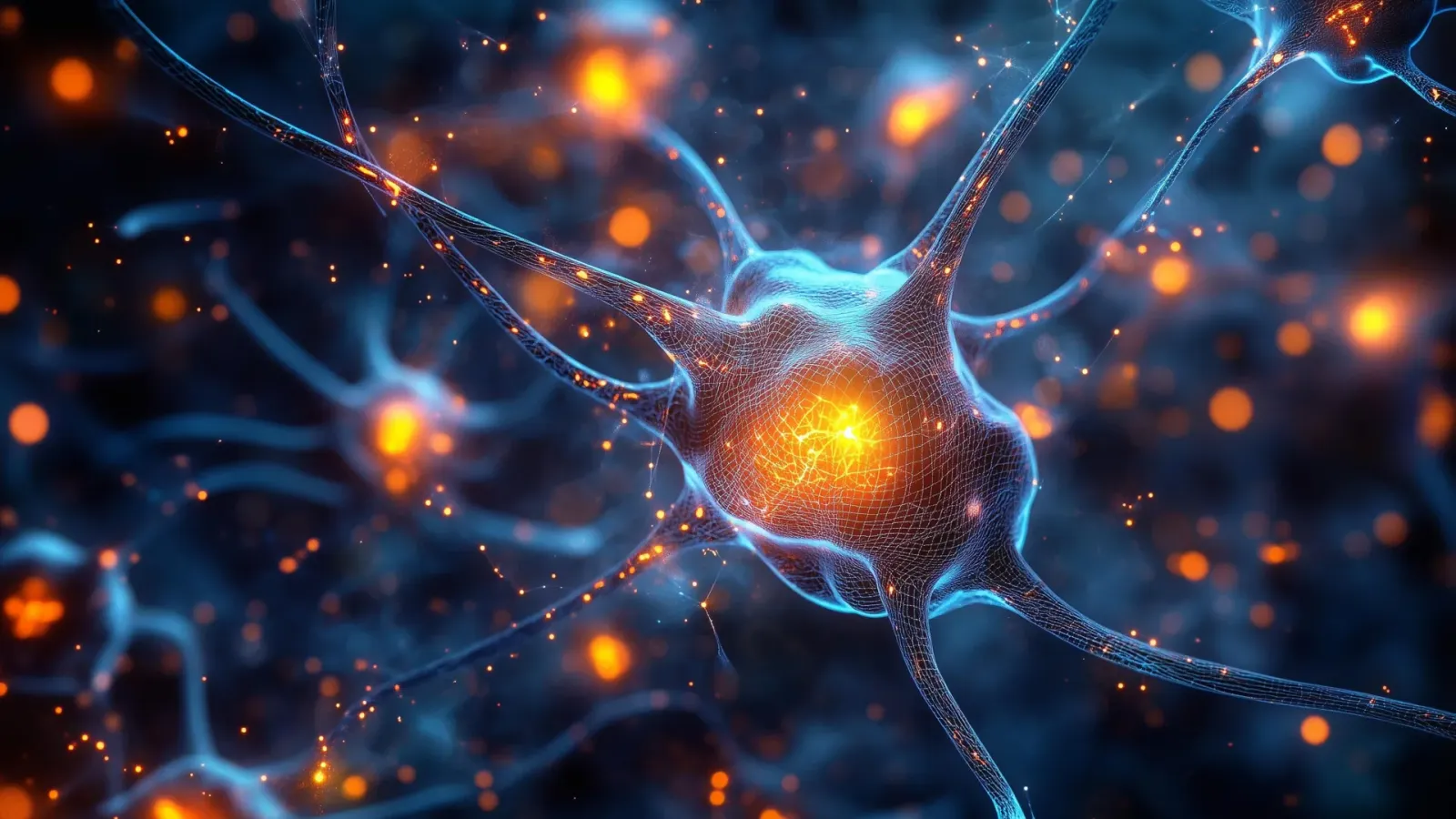
Researchers report a microscopic skeleton within neurons acts as a gatekeeper that controls what brain cells absorb and when. When this structure weakens, neurons rapidly take in harmful Alzheimer's-associated proteins, suggesting stabilization could help prevent damage.
Alzheimer’s doesn’t just spread because neurons eventually fail. It may also fail because the cells stop regulating what enters them. A new study described a microscopic “skeleton” inside neurons that does far more than provide internal support. Researchers found it functions as a gatekeeper, controlling which molecules neurons absorb and the timing of that absorption.
The implication is direct and urgent: when this protective structure weakens, neurons rapidly take in harmful proteins associated with Alzheimer’s disease. In other words, the disease-linked proteins do not necessarily only arrive from the outside. They can also be enabled by a breakdown in the neuron’s own filtering system. That turns a previously structural idea into a functional one, and it reframes prevention efforts around stabilizing cell entry rather than only clearing proteins after the fact.
To understand why this matters beyond the biology lab, it helps to picture what “gatekeeper” means in practice. Neurons are metabolically busy cells. Their survival depends on controlled uptake, controlled transport, and controlled timing. The study’s characterization of an internal skeleton that governs absorption suggests there is a selectable window where the neuron is either protected from harmful influx or, once that internal structure degrades, becomes permissive. The study’s wording is important: it says the skeleton “controls what brain cells absorb and when they absorb it.” That is a mechanism with a logic that regulators and investors can evaluate, because it implies a causal pathway: weaken the structure, and harmful Alzheimer's proteins are taken in rapidly.
This is where the market and strategy angle kicks in. Alzheimer’s drug development has repeatedly run into a hard reality: many approaches aim to change the biology after damage starts, but the window for meaningful intervention may be earlier than many therapies target. The source’s conclusion is cautious but pointed. It says stabilizing the protective structure could become a “promising new strategy” for preventing brain cell damage. “Promising” is doing a lot of work here, but it also signals something investors understand immediately: this is a potential prevention mechanism, not just a symptomatic fix.
Boards and capital allocators typically like interventions that can be described in pathways, not vibes. A gatekeeper framework can be mapped into milestones. If stabilization prevents rapid uptake of harmful proteins, then early translational studies could focus on whether stabilizing the structure changes protein entry rates, changes downstream markers of neuronal stress, or slows progression in models. The key is that the study identifies a specific target conceptually tied to neuron protection: the internal skeleton structure that keeps absorption controlled.
There is also a regulatory lens on mechanism. When regulators assess Alzheimer’s candidates, they often look for clarity on what a therapy does, how it affects disease-relevant processes, and why that should translate into clinical benefit. A mechanism described as “controlling what brain cells absorb and when they absorb it” provides a reason to believe the therapy might alter an upstream step in disease biology. That can strengthen the logic chain between preclinical results and clinical endpoints, even though the source does not provide any additional data beyond the discovery and its protective implication.
The second-order implications for executives are not limited to single-asset programs. If neuron uptake regulation becomes a validated target category, it can reshape how companies build pipelines. Some teams may move from purely protein-targeting strategies toward approaches that preserve internal cell structures or functions tied to uptake gating. Others may seek companion diagnostics or biomarkers that reflect whether the gatekeeper remains stable, because if the protective structure weakens before or alongside harmful protein uptake, monitoring stability could matter for trial design.
For leaders in neuroscience innovation, the stakes are straightforward: Alzheimer’s is a category where small mechanistic advantages can compound into major differentiation. This study suggests the neuron itself may hold the keys to entry control. That means prevention strategies may increasingly compete on whether they can stabilize the cell’s internal “filter,” reduce the rapid intake of Alzheimer's-associated harmful proteins, and ultimately protect neurons from damage. The most practical takeaway for decision-makers is that the battlefield may not be only extracellular proteins. It may also be the neuron’s internal gatekeeper that decides what gets through.
This story's Key Insights and Take-aways are locked.
Create a free account to unlock Executive Actions for one credit.
Register to UnlockAlways free for Executives Club members. Join the Club
More in Science

Alaska's 1,580-foot tsunami had warning signs. Scientists just found them.
Rapid glacier retreat, heavy rainfall, and thousands of tiny tremors preceded Alaska's 1,580-foot tsunami, a warning for every coastal community in a warming world.

The rare mutation that lets high-risk brains dodge Alzheimer's
Scientists found a natural defense against protein buildup, opening a new path to preventive treatments.

3,000 steps a day may halve Alzheimer's decline, study finds
New research links a modest daily walk to less tau buildup and nearly half the cognitive and functional decline, even for those with early signs.