

NFL players ignite #WorthTheCost after 7 stadiums switch to World Cup natural grass
Temporary grass replacements across seven NFL venues for the 2026 FIFA World Cup test synthetic turf assumptions and budgets.

Seven NFL stadiums temporarily replaced synthetic turf with natural grass for the 2026 FIFA World Cup, sparking the #WorthTheCost movement from NFL players. For decision-makers, it signals a potential reputational and operational reckoning around playing-surface cost versus player welfare.
Seven NFL stadiums are temporarily replacing synthetic turf with natural grass for the 2026 FIFA World Cup. That sounds like a one-off event logistics story until you remember what kind of pressure the NFL operates under: every player wants fewer risks, every team wants fewer injuries, and every venue manager wants fewer headaches. The grass switch matters because it is not permanent, yet the conversation it triggered is.
The trigger is the #WorthTheCost movement from NFL players, which is taking aim at the idea that the cheapest option is always the best option. In other words, the debate is not only about grass versus turf. It is about whether the industry has been using “natural turf is too expensive” as a blanket justification, and whether a World Cup schedule can pry open that assumption. The key fact is simple and consequential: seven NFL stadiums changed the field material for the 2026 tournament, and NFL players are using that moment to argue the trade-off is worth it.
To understand why this turned into a movement, it helps to look at how playing surfaces became a business and medical question, not just a stadium preference. Synthetic turf and hybrid systems are typically chosen for their consistency, durability, and maintenance profiles, especially when teams share venues across multiple events. But natural grass has its own track record: many athletes prefer it, and many observers associate it with different injury risk dynamics than artificial surfaces. When an NFL stadium that normally runs on synthetic turf temporarily switches to natural grass for a global tournament, it creates a real-world comparison that is hard to dismiss as theoretical.
Why would teams or venue operators agree to this in the first place? The 2026 FIFA World Cup is a massive FIFA event with global visibility and strict requirements that can cascade into local venue decisions. That kind of pressure tends to override normal operational preferences. If FIFA expects natural grass for specific venues, or if tournament standards influence material choices, stadium operators can face a clear choice: absorb the costs for compliance and reputation or risk being sidelined for the showpiece. In this case, seven stadiums apparently decided the cost was manageable enough to make the switch, at least temporarily.
That is where the second-order stakes show up for executives and boards. Moves like this do not just affect who trims grass. They reshape how players, fans, and media interpret organizational priorities. The NFL is a brand built on controlled risk and predictable performance, so when players rally around a hashtag tied to cost, boards have to think beyond maintenance invoices. They have to think about what the organization is signaling about player welfare, how easily critics can frame the argument, and whether the league will be forced to address the issue in public. Even if the grass change is temporary, the narrative becomes permanent.
There is also a practical operational layer to consider. Switching from synthetic turf to natural grass for a major event is not a casual swap. It changes the entire ground game: installation timelines, drainage planning, weather dependencies, turf recovery schedules, and who carries the blame if the field does not behave as expected. Venue operators typically optimize for repeatable event readiness, so a temporary change can expose vulnerabilities in planning. If the grass looks good and stays stable, it strengthens the #WorthTheCost argument. If it underperforms, it creates ammunition for the opposite camp, but it still keeps the cost-benefit debate alive.
For peers managing similar multi-use stadium portfolios, the lesson is that a global sporting event can become an unplanned benchmark for internal debates. Boards and CFOs might think they are budgeting for a FIFA calendar item. Players might experience it as proof that a different choice is possible. That mismatch between operational framing and human framing is where controversy grows.
The strategic stake is what happens after the tournament. Once players have a concrete reference point, it becomes easier to question long-standing default decisions: why synthetic turf became standard, what it costs to switch, and what “worth the cost” means in injury, performance, and reputation terms. The #WorthTheCost movement is rooted in that tension. And as long as seven NFL stadiums can temporarily run natural grass for the 2026 FIFA World Cup, decision-makers across sports infrastructure will face a sharper question than before: not whether the switch is possible, but whether the current status quo still holds up under scrutiny.
This story's Key Insights and Take-aways are locked.
Create a free account to unlock Executive Actions for one credit.
Register to UnlockAlways free for Executives Club members. Join the Club
More in Business

Uber buys Delivery Hero for nearly $15B, vaulting to top food delivery outside China
The deal doubles Uber's dual-services footprint and pushes a ride-and-eats bundling play into 50 more markets.

Epic and Google drop settlement bid, forcing rival Android app stores by July 22
Google told the court it is ready to carry third-party app stores starting Wednesday, July 22.
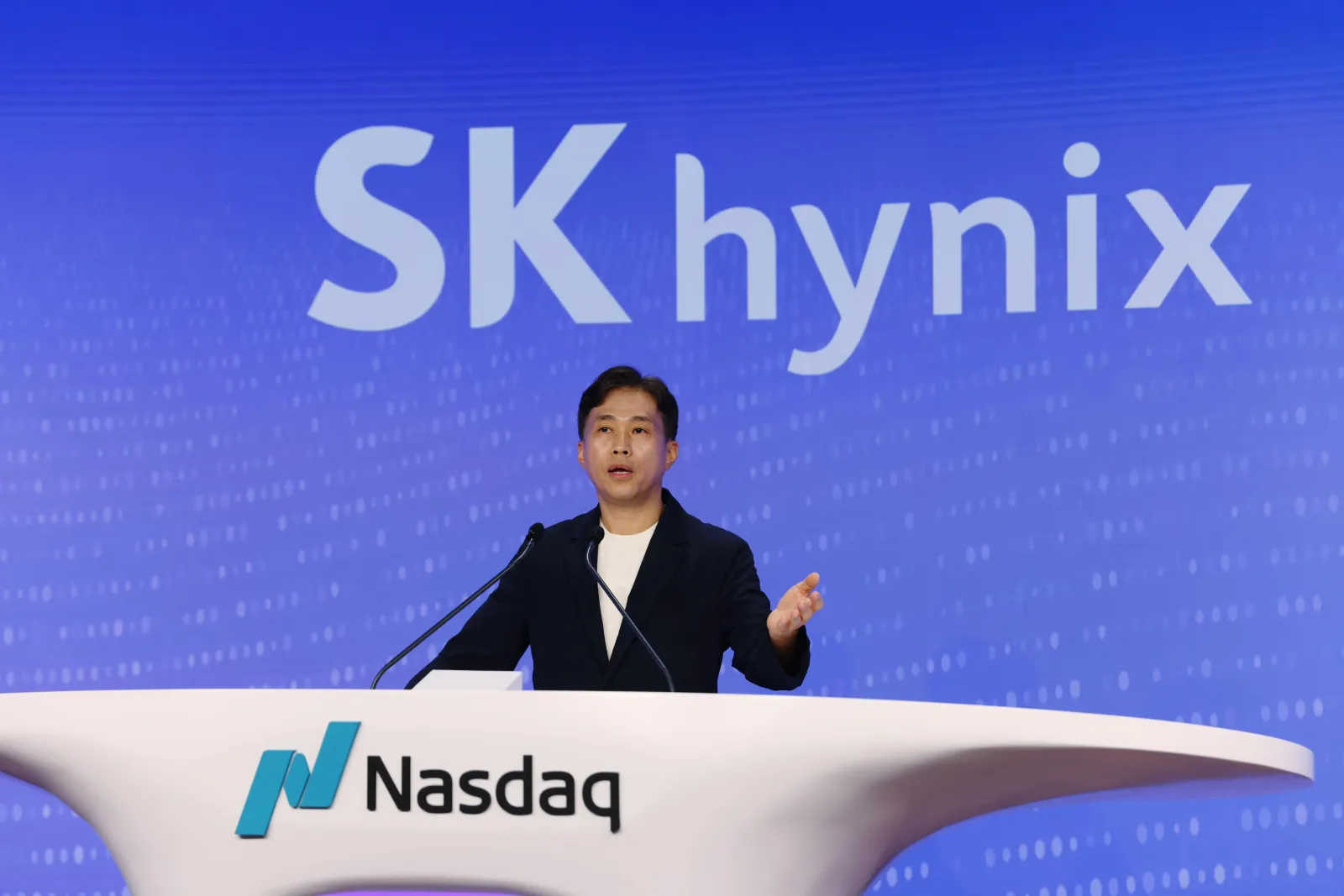
SK Hynix opens at $170, raises $26.5B, and tops foreign IPO records
In Friday's Wall Street debut, SK Hynix turns AI RAM demand into a $26.5B fundraising moment that rewrites comps.