
Nicholas Penwarden retires after 15 years at Epic as Unreal Engine 6 approaches
The veteran engine leader steps away after a UE era ends, just as Epic frames UE6 for portable content, code, and economies.
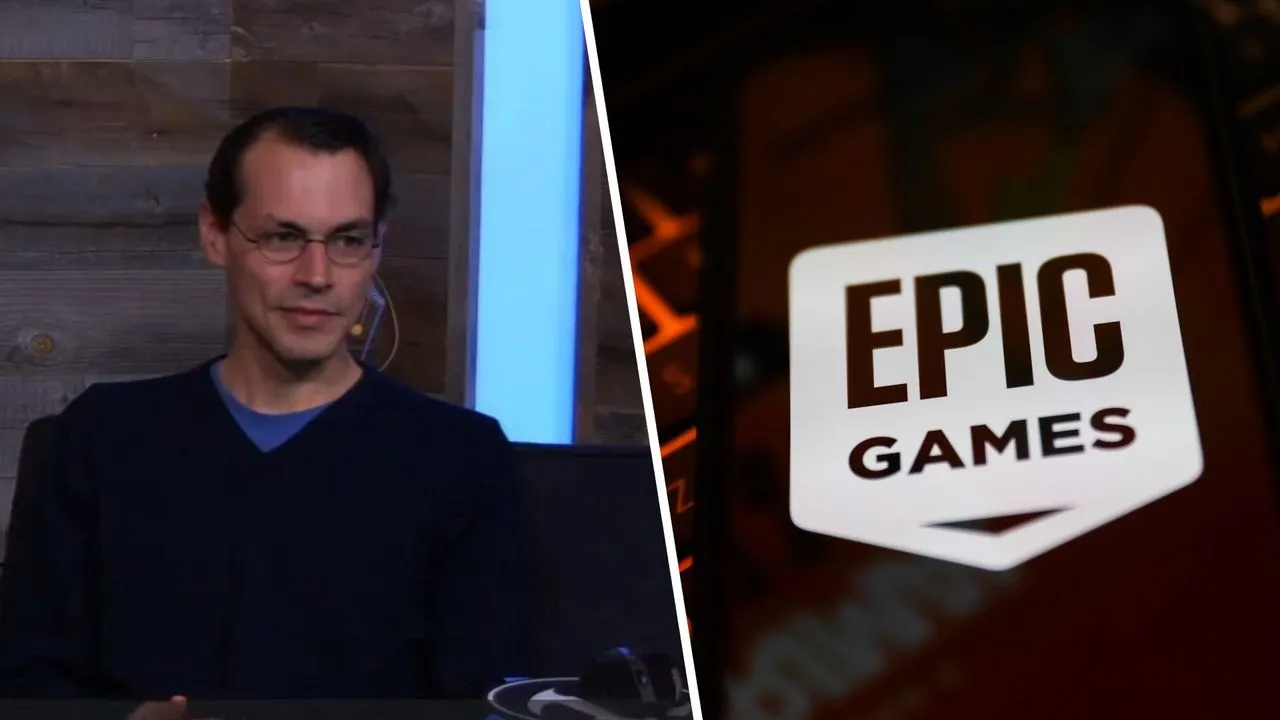
Nicholas Penwarden, a former Unreal Engine director and longtime Epic engineer, is stepping away after 15 years. For decision-makers, the timing matters: Epic is also gearing up for Unreal Engine 6, which it positions as a unifying platform for interoperability across games.
Nicholas Penwarden is retiring from Epic after 15 years, stepping away just as Epic prepares for Unreal Engine 6. In a LinkedIn post yesterday, Penwarden said he is proud of his role in Unreal Engine's evolution “from UE3 to where it stands today,” and he highlighted the engine's growth and the community's expansion alongside the games and experiences developers have built with it.
Penwarden was not a behind-the-scenes name you could ignore. He has been one of Unreal Engine's most visible faces, regularly showing up for talks and Q&A to get into the technical particulars of Unreal's tools. In his time at Epic under Tim Sweeney, he worked across multiple levels of the stack, serving as an engine and graphics programmer on UE4, director of engineering on UE as a whole, VP of engineering, and engineering fellow.
That breadth is exactly why this kind of departure lands harder than typical “team member leaves” news. When an engineer reaches VP or engineering fellow while also becoming a public technical spokesperson, they are often one of the connective tissues between product direction and developer empathy. Penwarden's post ends with a straightforward wish, not a dramatic warning: he says he is proud of the team they built, calls it “the most talented, passionate, and extraordinary group of engine and game developers,” and concludes with good wishes for Epic and what the team will build next.
Still, Penwarden is not the only high-level Unreal Engine veteran to exit recently. Epic previously lost Sjoerd De Jong, its former “chief evangelist,” who left the company a few weeks ago after a 12-year stint. De Jong also wrote publicly, framing the industry as relentless and inevitable in its pace of change and saying it “feels like we are reaching a pivotal point now and a potent mix of things.” Penwarden did not use that ominous language, but the shared subtext is difficult to miss. Epic is in a transition moment, and the people who have helped represent the engine to the outside world are changing.
Why it matters for decision-makers is not just who is leaving, but what Epic is emphasizing as it moves forward. The source notes that this latest departure is especially notable “just as Epic gears up for its 2027 release of Unreal Engine 6.” Instead of positioning UE6 around only incremental graphical achievements, Epic is framing the engine as a unifying force. The goal, as described here, is to enable “content, code, and economies to become portable and interoperable across games.”
That phrase has big second-order implications for anyone building a game business, producing interactive experiences, or allocating engineering resources. If content and code are treated as portable and interoperable, studios may be able to think differently about re-use, toolchains, and long-term maintenance. “Economies” being included in that interoperability pitch is especially telling, because it implies the platform conversation is not limited to art assets and scripts. It also touches the logic and systems that govern player progression, economies, and the glue that keeps experiences consistent even when games change.
This is also where “regulatory background” in the real world becomes relevant, even if the source does not call out any specific law or agency. Interoperability and portability, by their nature, can multiply the number of data flows and systems that touch user experiences and monetization logic. Even if you are not in a regulated vertical, when platforms standardize how content and economies move across games, boards often start asking questions about compliance readiness, auditability, and contractual clarity. The source does not mention compliance actions, but it does describe a platform shift that would normally trigger those internal reviews for product, legal, and finance teams.
For peers in similar roles inside other engine and platform companies, the hiring and succession angle is the practical stake. Penwarden's exits, alongside De Jong's earlier departure, suggest Epic is rebalancing how it runs technical leadership and external communication. The engine business does not run on marketing alone. It runs on engineering decisions that translate into developer trust, documentation quality, tooling stability, and the speed at which new capabilities become usable. When a figure who spans programming leadership and public technical visibility steps away, it can reshape how teams coordinate and how the developer community interprets the company's next moves.
Epic is still pushing toward UE6 and, per the source, the product narrative emphasizes interoperability across games. The retirement of a longtime Unreal Engine director and longtime Epic engineer after 15 years does not negate that plan. But it does raise the internal question every executive should be thinking about: who will own the bridge between engine architecture and developer reality as UE6 lands in 2027? In a market where change is relentless, the people who understand both the engine's inner mechanics and the developer's daily workflow are not interchangeable.
This story's Key Insights and Take-aways are locked.
Create a free account to unlock Executive Actions for one credit.
Register to UnlockAlways free for Executives Club members. Join the Club
More in Entertainment

Russell Brand's accuser 'bewildered and confused' as he denies 7 sex charges
The criminal case against the comedian is a live test of how media companies manage talent risk when serious allegations go public.

'It's a Magic Trick': Ballet Experts Say Rosalía's SNL Pose Is Impossible
Three ballet experts tell Rolling Stone Rosalía's gravity-defying SNL stillness shouldn't be possible - and why the debate is now part of the show.

Activision CMO: GTA 6 Will Boost Call of Duty, Not Bury It
Activision's top marketer says Rockstar's blockbuster will drive players back to consoles and into Modern Warfare 4, even as the company admits its recent strategy failed.