

Nigel Farage-backed Stack BTC assets drop 15% after his £215,000 investment
A bitcoin treasury company Farage invested in lost over 15% of its asset value, raising fresh board-level questions.
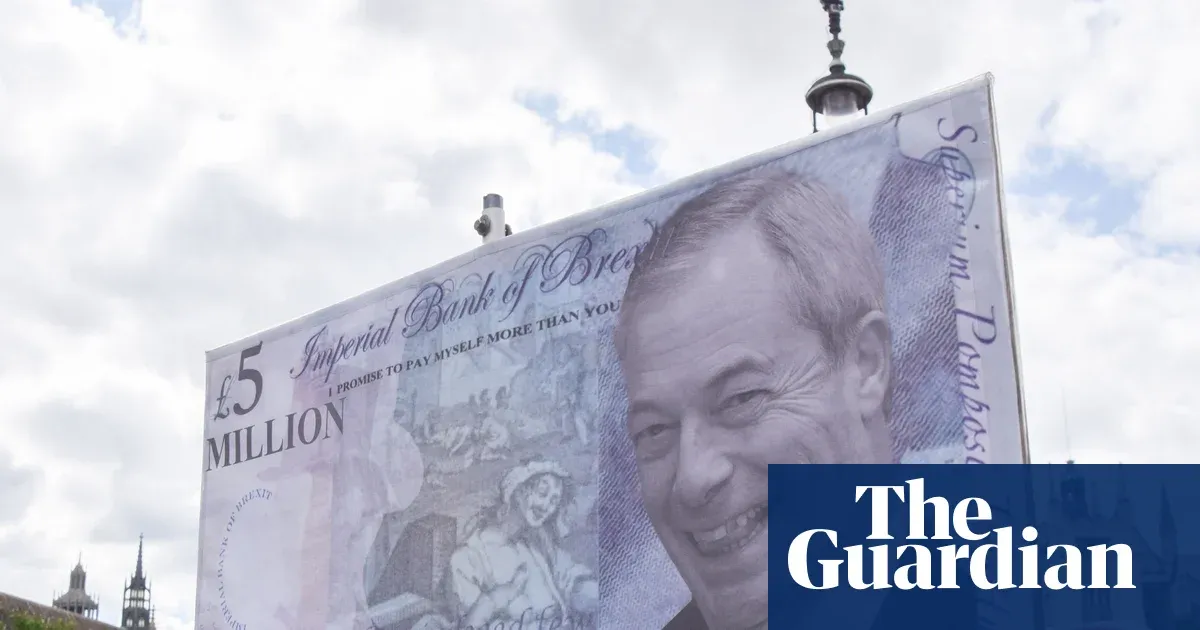
Nigel Farage, the Reform UK leader, invested £215,000 in a bitcoin treasury company named Stack BTC. The company has since lost more than 15% of its asset value, and finance experts are warning against investing in bitcoin treasury firms.
Nigel Farage invested £215,000 in Stack BTC, a bitcoin treasury company. Now Stack BTC’s assets have plunged by more than 15%, a move that has finance experts warning investors to be careful with the whole “bitcoin treasury” model.
The core issue is simple, even if the structure sounds slick. A bitcoin treasury company buys cryptocurrency on behalf of its shareholders, then tries to grow by holding bitcoin and using value derived from that holding to make acquisitions. When the underlying bitcoin-linked assets fall, the company’s reported asset value can get hit hard, and shareholders feel it quickly. In this case, the drop is reported as more than 15%, and that number is the hook because it forces a direct question: if the thesis depends on holding bitcoin while scaling into other deals, what happens when the asset price moves against you?
For executives and boards, this is where the story stops being “crypto news” and starts becoming “capital allocation and risk engineering.” Treasury models are built on incentives. Shareholders entrust the company with capital, the company uses that capital to buy an asset, and management then has both the upside of appreciation and the downside of depreciation. The moment the asset price declines, you can see the model under stress: the company is not just holding bitcoin. It is also funding its corporate ambitions with a balance sheet that is increasingly volatile.
Stack BTC is not being described as a random crypto project here. It is positioned as a treasury vehicle. That matters because a treasury company is essentially trying to operate like a public or semi-public wrapper for a single major driver: bitcoin exposure. If you strip away the acquisition language, the risk factor is still bitcoin. So when experts warn against “bitcoin treasury companies,” they are usually pointing to the mismatch between how investors think about corporate vehicles and how bitcoin behaves. A firm that looks like a corporate acquirer can function, economically, like leveraged exposure to a highly liquid asset that can move quickly.
There is also a second-order governance question: who benefits from the acquisition plan when the underlying asset value falls? In a treasury setup, managers may argue that a decline is temporary and that lower valuations can enable strategic purchases later. But from a board perspective, you have to separate strategy from balance sheet reality. If asset value drops by more than 15%, management has less cushion for any capital-intensive moves, and shareholders lose confidence precisely when the company might want more patience. That can affect everything from investor relations to future fundraising and deal timing.
The name Nigel Farage is part of the reason this story is getting attention. The Reform UK leader’s investment makes the situation feel personal, because it turns an abstract warning into a visible example of a specific financial product in the market. He invested £215,000 in Stack BTC, and the exclusive reporting makes that link concrete. For decision-makers watching the space, it is not about whether any individual should invest. It is about how credibility travels in finance: when a high-profile political figure backs a vehicle, other investors may treat it as more “institutional” than the underlying risk suggests.
Regulatory and public scrutiny are also the background hum here. Crypto investment vehicles have long faced skepticism from regulators and consumer protection advocates, especially around how risks are communicated and how assets are valued. While the source does not lay out a new regulatory action, the warning from finance experts signals the same theme: vehicles that package bitcoin exposure need extra clarity on downside scenarios. Boards, CFOs, and investor relations teams should assume that scrutiny will intensify when an advertised or promoted vehicle shows a rapid asset decline.
For peers considering similar structures, the strategic stake is clear. If you are running or investing in a bitcoin treasury firm, your balance sheet performance is not a behind-the-scenes metric. It is the product. A drop of more than 15% of asset value is the kind of headline that can change investor behavior fast, and it can also reshape how deal pipelines are funded. The lesson is not “don’t touch crypto.” It is that treasury wrappers can concentrate risk while marketing the company story. When the market turns, the wrapper is only as stable as the asset inside it.
In other words, Stack BTC is a stress test for a whole category: treasury companies that buy bitcoin for shareholders, then seek growth through acquisitions. The reported loss in asset value after Farage’s £215,000 investment turns a theoretical model into a measurable consequence. And for executives and boards evaluating similar opportunities, it is a reminder that volatility is not an event. It is a feature of the underlying exposure, and it will show up in your numbers, your investor sentiment, and your strategic options.
This story's Key Insights and Take-aways are locked.
Create a free account to unlock Executive Actions for one credit.
Register to UnlockAlways free for Executives Club members. Join the Club
More in Business

Comcast shares jump 25% as it plans to split NBCUniversal and Sky
The tax-free spin-off could reshape focus, funding, and competition across media and tech for years.

Bungie cuts most Destiny 2 staff as Sony says Marathon still matters
Herman Hulst confirms layoffs affecting most Destiny and some Marathon teams after Bungie admits Destiny fell short.

SK Hynix jumps 11% after seeking up to $29.4B in Nasdaq listing
The chip giant filed for a Nasdaq listing plan that could raise $29.4 billion, instantly reshaping investor expectations.