

Nigel Farage calls Clacton by-election from a weak spot, and it may backfire
Reform UK leader Nigel Farage is scrambling to turn a weak position into a win, but a sanctioned candidate could flip the odds.
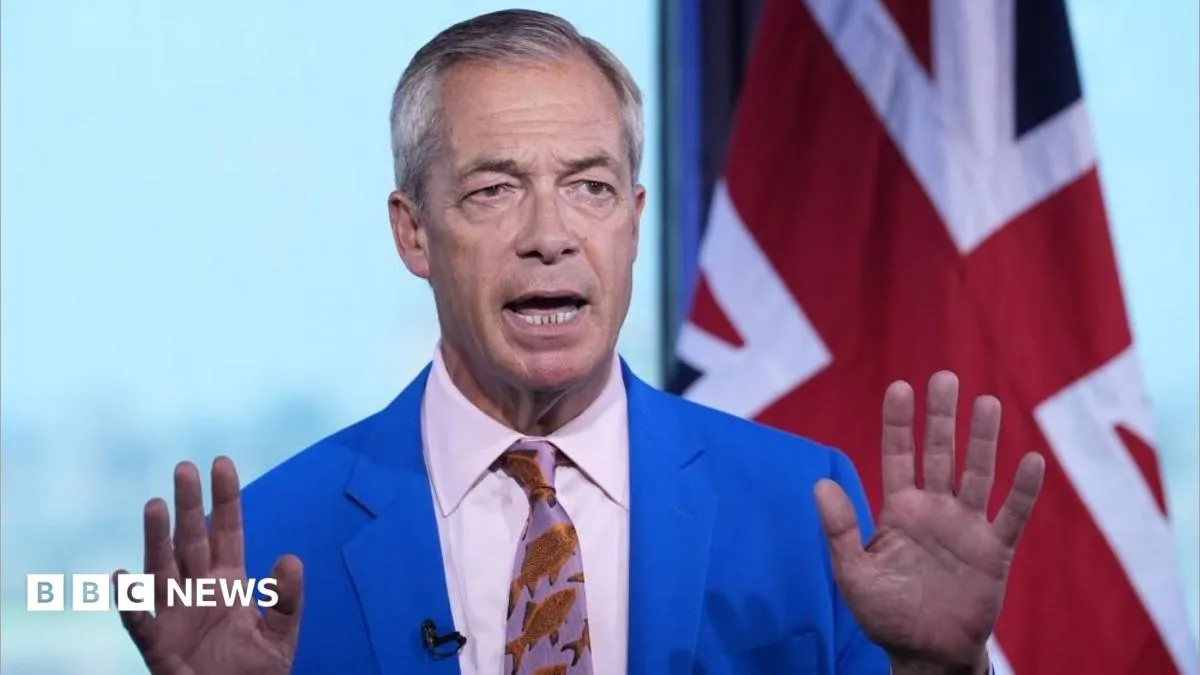
BBC News reports that Nigel Farage, the Reform UK leader, faces a challenge from Count Binface in Clacton after the main parties ruled out standing. For decision-makers tracking party strategy and public pressure, it raises the risk of a protest vote becoming the real contest.
Chris Mason’s warning is blunt: Nigel Farage is calling a by-election from what he describes as a weak position, and it could backfire on him. In Clacton, the Reform UK leader is not walking into a normal race where the biggest parties line up to block and define the ground. Instead, the main parties have ruled out standing, which changes the entire incentive structure of the contest, including who gets attention, who gets votes, and what voters think the election is actually “about.”
That’s why the challenge from Count Binface matters so much. Count Binface is taking on Farage in Clacton, stepping into a space where the traditional gravity of the major-party contest has been removed. When major parties do not stand, the ballot can stop looking like a referendum on governing parties and start looking like a referendum on whether politics has become too predictable, too transactional, or too insulated from the public. And in a by-election, perception can move quickly.
To understand why this can backfire, it helps to look at how by-elections work when the “usual players” step aside. Normally, big parties treat these elections as a test of momentum. They also treat them as a clearinghouse for coalition building and tactical vote management. But when the main parties rule out standing, the tactical vote problem for Farage becomes less about splitting the anti-Reform vote and more about whether voters will show up for a protest-flavored contest. The risk for any party leader entering from a weaker position is that their message becomes background noise, while the loudest narrative becomes the challenger’s gimmick, symbol, or disruption.
Count Binface’s candidacy is not just a quirk. It is a symptom of what happens when voters suspect the “serious” choices are no longer competitive. In that environment, elections can turn into a stage for satire, a protest mechanism, or simply a chance to reward a candidate who looks like they will shake the room. That doesn’t mean votes are irrational. It means voters are responding to the incentives the political system has created: if the establishment is absent, the contest becomes more about identity and less about policy detail.
Farage’s problem, according to Mason’s framing, is that starting from weakness means every move has to produce immediate clarity. Call it branding. Call it political math. The point is that when you enter a by-election without the main parties as a foil, you cannot rely on the old script. You cannot assume the election will function like a clean test against Reform’s rivals in the typical party ecosystem. If the media narrative attaches itself to Count Binface as the “main event,” Farage may find himself defending a position he did not need to defend in a normal contest.
There is also a timing and turnout angle. By-elections compress campaigning into a short, intense window where attention is scarce. When major parties stand down, the remaining candidates fight harder for headlines, local coverage, and online momentum. That can reward whichever candidate is best at generating attention rather than whichever candidate is best at outlining governing plans. For Farage, a backfire scenario is when attention does not translate into votes for him, but instead concentrates around the novelty and controversy of the alternative.
For executives, investors, and board members, this might sound like politics-only noise. But it is a real-world case study in what happens when incumbents or major stakeholders step away from a contested process. Removing competitors changes stakeholder behavior. It alters which narratives get rewarded and which get ignored. In board terms, it is like leaving a key seat unfilled in a governance fight and then acting surprised when a wildcard becomes the focus of the room.
Chris Mason’s line, then, is a warning shot: Farage called this by-election from weak positioning, and the absence of the main parties plus the presence of Count Binface creates a plausible path for the challenger to take the center of gravity. For anyone running a campaign, a strategy unit, or a communications team, the stake is simple. In high-stakes moments, weakness can turn into vulnerability, especially when the opposition reframes the contest. Clacton is set up to be exactly that kind of test, and the lesson will not stay confined to politics.
This story's Key Insights and Take-aways are locked.
Create a free account to unlock Executive Actions for one credit.
Register to UnlockAlways free for Executives Club members. Join the Club
More in Politics

Glacial collapse, not rain, killed 180 in Nepal's Himalayan flood
The Himalaya's extreme geography hid the true cause of Nepal's catastrophic flood, a glacial collapse that turned a geological battleground into a mass-casualty zone.
Iran’s Esmail Baghaei says Oman talks start shipping via Hormuz, not US talks yet
Temporary route plans with Oman aim to restart commerce while Tehran says Washington dialogue is not on the table.
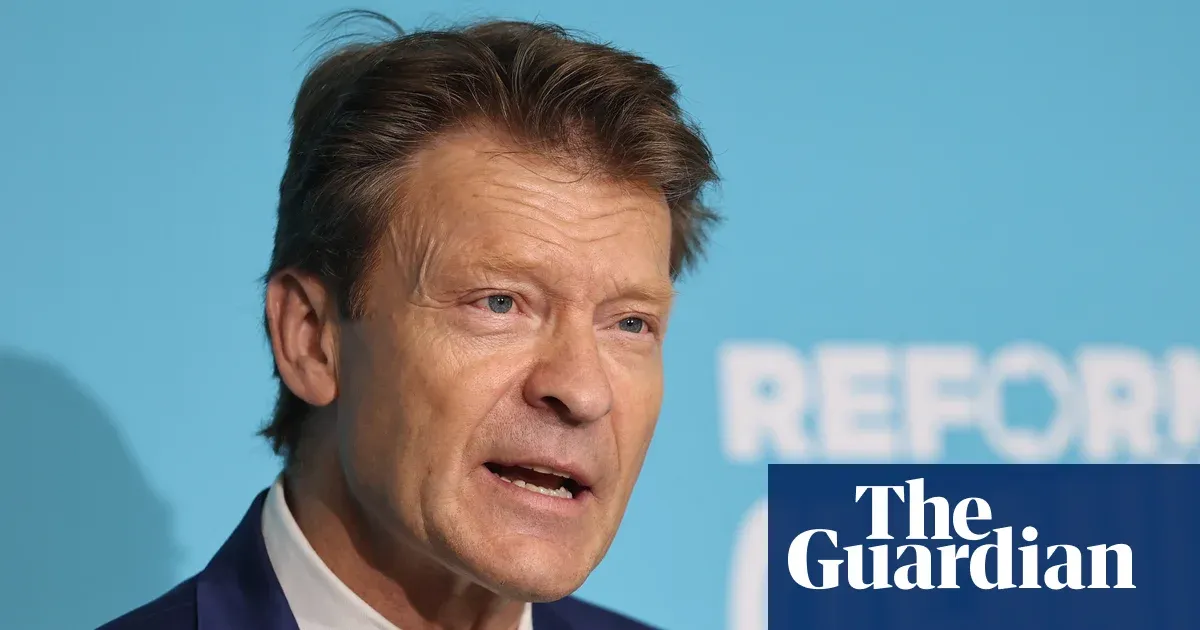
Standards watchdog opens probe into Reform UK deputy leader Richard Tice over interests
The parliamentary standards commissioner says it began an investigation on 28 July into a possible undeclared interest.