
Nightdive hires Daniel Thron to modernize Thief Remastered cutscenes, not outsource them
The 1998 original cutscene artist is back, helping Nightdive keep the look “the same, but 4K, so much better.”
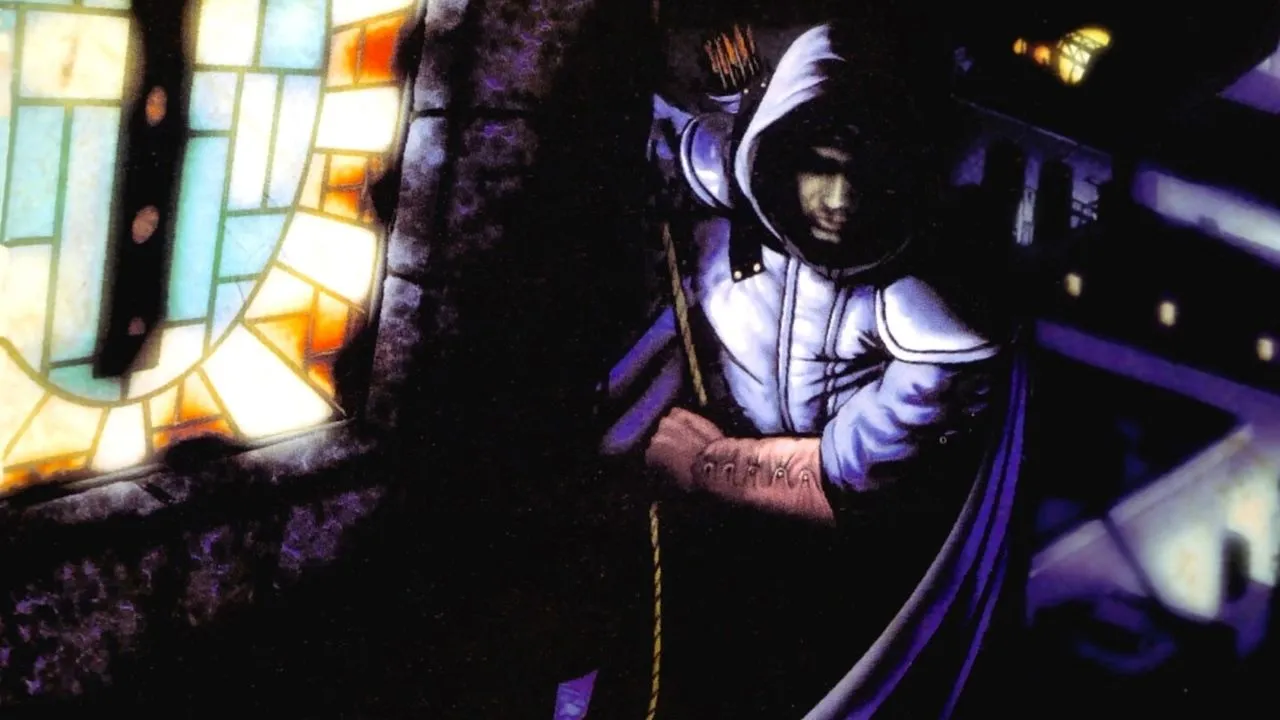
Nightdive brought on Daniel Thron, a former Looking Glass developer and one of Thief: The Dark Project's primary artists, to revamp Thief Remastered's cutscenes. For decision-makers watching remasters and live-service expectations, this is a high-signal bet on authenticity without resorting to AI upscaling.
Nightdive didn't just “improve” Thief Remastered cutscenes. It brought back Daniel Thron, the original artist from the 1998 Looking Glass era, to help nail the look. In Nightdive’s Deep Dive podcast episode, producer Daniel Grayshon explained the problem with the 1998 cutscenes: low resolution, limited frame rate, and the kind of presentation that clearly shows its age. The fix is also specific: Thron is helping modernize the cutscenes so they look like the original, while benefitting from higher fidelity. Grayshon put it plainly as “It looks the same, but 4K - so much better,” adding that “The animation is smoother,” and saying he doesn’t think anyone would be unhappy with the direction.
This is the part that matters for operators and investors who treat remasters like commodity upgrades. Vincent’s email confirmation ties Grayshon’s comment directly to former Looking Glass developer Daniel Thron. Thron is not a marketing stand-in. He previously directed, animated, and produced art for Thief's cutscenes, and he was one of three primary artists credited on Thief alongside Robb Waters and lead artist Mark Lizotte. He also voiced a number of characters throughout the game, meaning he wasn’t only familiar with the visual language. He helped define it across animation and audio performance, which is exactly the kind of cross-discipline continuity remasters usually struggle to replicate.
So what’s actually being solved? The source points to why the “age gap” exists in the first place. The original 1998 release had cutscenes and mission briefing content that were stuck at primeval resolutions. Thief itself ran at 480p, but at least one upscaling mod on the Thief Nexus reportedly cites cutscenes running as low as 320x240 and 15 fps. That combination is not just “a little blurry.” It affects how the animation reads, how motion feels, and how facial and body timing lands. Thief's cutscenes also use a distinctive 2D-animated style that stands out from many contemporaries. If you modernize the resolution without preserving the motion cadence and the original style intent, you risk creating something that’s technically sharper but emotionally off.
Nightdive’s approach is also contextual. The studio previously demonstrated command of the Dark Engine and Looking Glass’ visual style in the System Shock 2 remaster, according to the source. That project recreated Shock 2’s own pre-rendered cutscenes in a “the same, but better” manner, as Grayshon described the Thief strategy. Importantly, the retired Nightdive VP Larry Kuperman informed the source that this was done without the use of AI upscaling. For boards and execs, that matters because it signals how Nightdive views modern quality. Instead of outsourcing the hard parts to algorithmic reconstruction, it leans on craft and faithful reproduction, supported by the right expertise on the original content.
There’s another layer: Thief is not just a set of cutscenes. It’s also mission briefings narrated by Garrett, the inimitable Stephen Russell. The parchment illustration motion graphics of these sequences could also use “some love from Thron and the team,” per the source. Translation: the project’s fidelity isn’t only about cinematic scenes. It’s also about the narrative infrastructure that makes the game’s atmosphere work. Thief’s essential briefings and cutscenes helped contribute to the game’s one-of-a-kind mood, and the source calls out how that atmosphere has been constrained by those low-resolution limits since 1998.
For decision-makers tracking where consumer expectations are heading, this is a useful case study in risk management. Remasters compete on trust. Players can tolerate updated tech, but they don’t forgive “different” or “uncanny” experiences, especially when the original had a recognizable look and rhythm. By bringing Thron back, Nightdive reduces a common remaster failure mode: recreations that feel like edits rather than restorations. And it also reduces operational uncertainty. When the original artist is involved, subjective taste becomes less of a guessing game and more of a supervised production constraint.
Finally, there’s timing pressure. The source says Thief: The Dark Project Remastered currently has a release window of “this winter,” with the writer hoping for “this December” rather than “next February.” Even if you ignore the writer’s preference, the strategic implication is clear. A winter release means the market will be crowded with quality expectations, and remasters are judged against both nostalgia and modern production baselines. The Thron involvement is therefore not just a nice behind-the-scenes anecdote. It’s an execution signal that Nightdive is trying to win with craft and fidelity, not shortcuts, while aiming to deliver smoother animation and 4K improvements that still feel like Thief.
If you’re a founder, investor, or operator in adjacent remaster, rerelease, or content modernization efforts, the headline takeaway is straightforward: Nightdive treated original authorship as a quality lever. That approach can be more expensive than generic upgrades, but it also directly targets the trust problem that kills remasters in reviews and refunds. In a world where AI upscaling is available, Nightdive is showing a different tradeoff: fewer shortcuts, more continuity, and a “same, but better” standard you can actually measure in animation smoothness and visual fidelity.
This story's Key Insights and Take-aways are locked.
Create a free account to unlock Executive Actions for one credit.
Register to UnlockAlways free for Executives Club members. Join the Club
More in Entertainment

Russell Brand's accuser 'bewildered and confused' as he denies 7 sex charges
The criminal case against the comedian is a live test of how media companies manage talent risk when serious allegations go public.

'It's a Magic Trick': Ballet Experts Say Rosalía's SNL Pose Is Impossible
Three ballet experts tell Rolling Stone Rosalía's gravity-defying SNL stillness shouldn't be possible - and why the debate is now part of the show.

Activision CMO: GTA 6 Will Boost Call of Duty, Not Bury It
Activision's top marketer says Rockstar's blockbuster will drive players back to consoles and into Modern Warfare 4, even as the company admits its recent strategy failed.