

Nike will cut thousands of China online distributors, restructure digital footprint
The move targets price and brand control, and it signals how Nike plans to restart growth in a messy market.
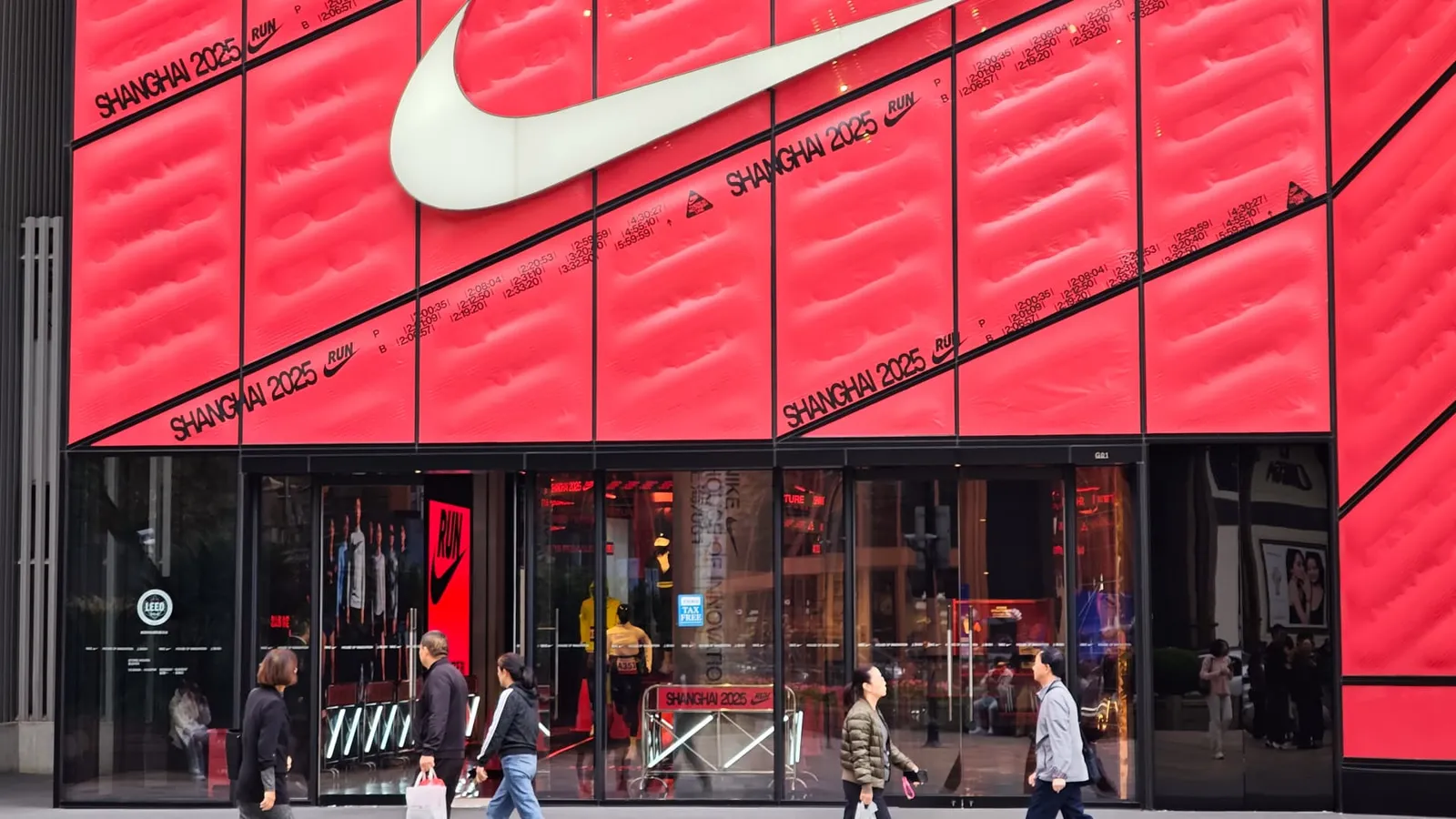
Nike will cut off thousands of online distributors in China and restructure its digital footprint to streamline its online business. For decision-makers, the change is about stabilizing pricing and branding, then reaccelerating growth.
Nike is streamlining its online business in China, and that means a real shakeup: the company will cut off thousands of online distributors while restructuring its digital footprint. The goal is direct, not decorative. Nike wants to stabilize pricing and branding and get back to growth.
That headline hits the heart of a problem many consumer brands quietly wrestle with: when distribution goes wide and inconsistent online, customers see different prices and different brand experiences, sometimes all at once. In that environment, even a strong product lineup can lose momentum because consumers lose trust. Nike is choosing to remove a chunk of the channels to tighten the system, so what customers see online looks and feels more like the brand Nike intends to run.
To understand why this matters, you have to understand how online sales often behave in China. E-commerce has made it easier for products to move fast, and faster distribution can look like growth on the spreadsheet. But it can also create pricing instability, with discounting and gray-market dynamics blurring the lines between authorized and unofficial sellers. When the market is fragmented, pricing becomes less predictable, and branding coherence suffers. That is exactly the set of incentives Nike is trying to correct by streamlining distribution and tightening the digital footprint.
Nike's decision is also a reminder that “digital” is not one thing. A brand’s digital footprint includes more than its own websites and apps. It includes the ecosystem of third-party sellers, marketplaces, and partner platforms where the Nike brand can be amplified or diluted. If thousands of online distributors are participating in ways that do not align with Nike’s preferred brand and pricing strategy, restructuring the digital footprint is a practical lever. It is not just about marketing. It is about control of the customer experience from the first search result to the checkout screen.
There is a second, less obvious implication here for executives and boards: the company is effectively trading short-term distribution breadth for long-term brand and commercial predictability. Removing distributors can temporarily reduce the number of places people can buy. But if those channels were contributing to inconsistent pricing and brand presentation, they can also create a ceiling for growth because they train customers to wait for deals rather than build loyalty.
From a risk-management perspective, the move is also about narrowing the sources of variability. Pricing and branding are the two pillars Nike explicitly mentions in this streamlining effort. In a pricing-sensitive market, variability can quickly become volatility, and volatility is expensive. It can drive returns, increase marketing costs, and force sales teams into constant firefighting. A tighter online network is a way to make revenue behavior more legible, which makes forecasting and planning easier for leadership.
Finally, this is happening in a broader regulatory and compliance environment where online distribution is not purely a business choice. China’s e-commerce and distribution rules have evolved over time, and brands often face scrutiny around authorization, advertising, and consumer protection. Nike’s move to cut off thousands of online distributors and restructure its digital footprint can be read as a company getting ahead of the enforcement realities of fragmented digital commerce. Even when regulation is not the headline driver, the operational reality is that platforms and seller ecosystems can change quickly, and brands want their channel strategy aligned with how enforcement actually works.
For other consumer companies watching, the strategic lesson is blunt: when online distribution undermines your pricing and branding, “more channels” stops being a growth strategy and starts becoming a growth inhibitor. Nike is making a control play in China’s online market, and it is doing it by narrowing distributors and reshaping its digital presence. The prize Nike is aiming for is not just cleaner optics. It is renewed momentum, with pricing stability and brand consistency that can support growth again.
This story's Key Insights and Take-aways are locked.
Create a free account to unlock Executive Actions for one credit.
Register to UnlockAlways free for Executives Club members. Join the Club
More in Business

Anthropic’s Levant Alpöge cracks the Jacobian conjecture after 87 years
A Harvard valedictorian used Claude to hit a 1939 breakthrough, but the missing “why” is the real problem.

Uber buys Delivery Hero for nearly $15B, vaulting to top food delivery outside China
The deal doubles Uber's dual-services footprint and pushes a ride-and-eats bundling play into 50 more markets.

Epic and Google drop settlement bid, forcing rival Android app stores by July 22
Google told the court it is ready to carry third-party app stores starting Wednesday, July 22.