

Nintendo blocks scalpers in Japan with Switch 2 multi-language purchase limits
Japan-only purchase restrictions aim to curb resale of the Switch 2 multi-language version and reshape launch-week risk.
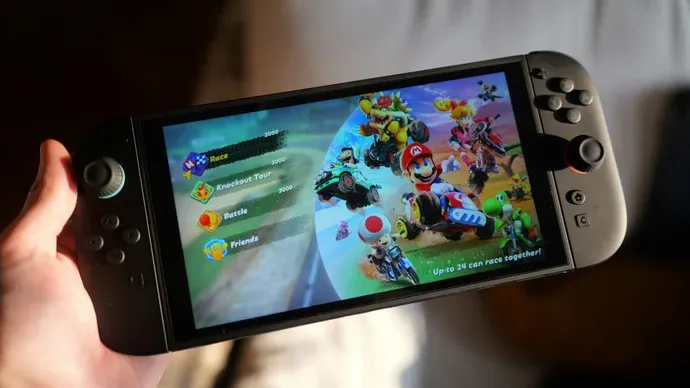
Nintendo has implemented purchase restrictions for the Switch 2 multi-language version in Japan. For decision-makers, the move signals an increasingly tactical approach to launch logistics as scalping threats evolve.
Nintendo has implemented purchase restrictions on the Switch 2 multi-language version in Japan. The goal is straightforward: combat scalpers who buy large quantities during high-demand launches and resell at a profit.
For anyone managing a product launch, distribution partner, or retail strategy, this is a reminder that “demand” is not the only variable you have to forecast. Nintendo is treating resale-driven purchasing behavior as a structural problem, not an after-the-fact PR issue, and it is doing that by tightening who can buy, and how easily, right when the market is most chaotic.
This also lands in a world where scalping is a repeatable playbook. Launch windows create a short, intense gap between supply and what consumers want immediately. That gap is exactly what resellers hunt. When “multi-language” versions are involved, the demand profile can get even messier. Different languages often correlate with different buyer motivations, including players importing games, families looking for accessibility, or communities that want a specific localization at launch rather than later. That can concentrate urgency into a narrower purchasing frenzy.
Japan has long been one of the toughest arenas for launch-day access, and it has developed a culture of rigid expectations around game availability. That matters because purchase restrictions are not usually controversial when used as a general anti-bot or channel-control measure, but they become more sensitive the moment consumers feel like they are being limited. Nintendo’s balance here is between two competing realities: the company wants the product to move through normal channels, and it also needs to prevent bad actors from siphoning inventory.
From a governance standpoint, these restrictions also act like risk management for Nintendo’s launch performance. If scalpers buy through retailers in bulk, legitimate customers face empty shelves, delivery delays, and frustrated wait times. That can compress goodwill and increase customer service load. It can also distort early sales reporting, because reseller-heavy orders may not translate into long-term consumer repeat purchases the way direct-to-player demand would. In other words, you can end up “successful” in units shipped while failing in customer satisfaction.
For executives, the second-order implications are about how this changes operational decisions across the supply chain. Purchase restrictions often require internal alignment: retail partners need clear rules and enforcement. The data has to be accurate. Eligibility needs to be defined enough to deter abuse but flexible enough not to punish normal shoppers. Even if the primary policy is only Japan-specific, the operational learning can spill over to other regions. Once teams design the playbook for restricting access, the organization gets faster at deploying it.
It also has competitive effects. Competitors who rely on clean, predictable channel sales may suddenly find their own launch-week environment gets harder to plan if consumers start comparing notes across regions. If customers see that one platform’s release gets guardrails while another does not, their purchasing urgency can shift. That can influence timing decisions for other releases, promotions, and even how companies manage limited editions.
Finally, there is a broader industry signal here. Nintendo is not treating scalpers as a small, internet-side nuisance. It is responding like a company that understands launch week is a financial and reputational high wire act. If you are a founder, operator, investor, or board member tracking consumer hardware and software cycles, this matters because the “battlefield” is moving upstream. Instead of winning only with specs and games, companies are now also winning with access control.
In the end, the strategic stakes are simple. Nintendo is tightening purchase behavior for the Switch 2 multi-language version in Japan to combat scalpers. That should improve real customer access during the most sensitive moment of the lifecycle, reduce reseller-driven churn in the channel, and give Nintendo a cleaner read on true demand. The question for peers is whether they will need similar controls, and how quickly they can build them, if the launch-week scalping playbook keeps evolving.
This story's Key Insights and Take-aways are locked.
Create a free account to unlock Executive Actions for one credit.
Register to UnlockAlways free for Executives Club members. Join the Club
More in Entertainment

Russell Brand's accuser 'bewildered and confused' as he denies 7 sex charges
The criminal case against the comedian is a live test of how media companies manage talent risk when serious allegations go public.

'It's a Magic Trick': Ballet Experts Say Rosalía's SNL Pose Is Impossible
Three ballet experts tell Rolling Stone Rosalía's gravity-defying SNL stillness shouldn't be possible - and why the debate is now part of the show.

Activision CMO: GTA 6 Will Boost Call of Duty, Not Bury It
Activision's top marketer says Rockstar's blockbuster will drive players back to consoles and into Modern Warfare 4, even as the company admits its recent strategy failed.