

Nintendo’s Furukawa says The Pokémon Company will take measures against scalpers
Made-to-order sales, marketplace agreements, and account verification are the fight plan for scarce cards.
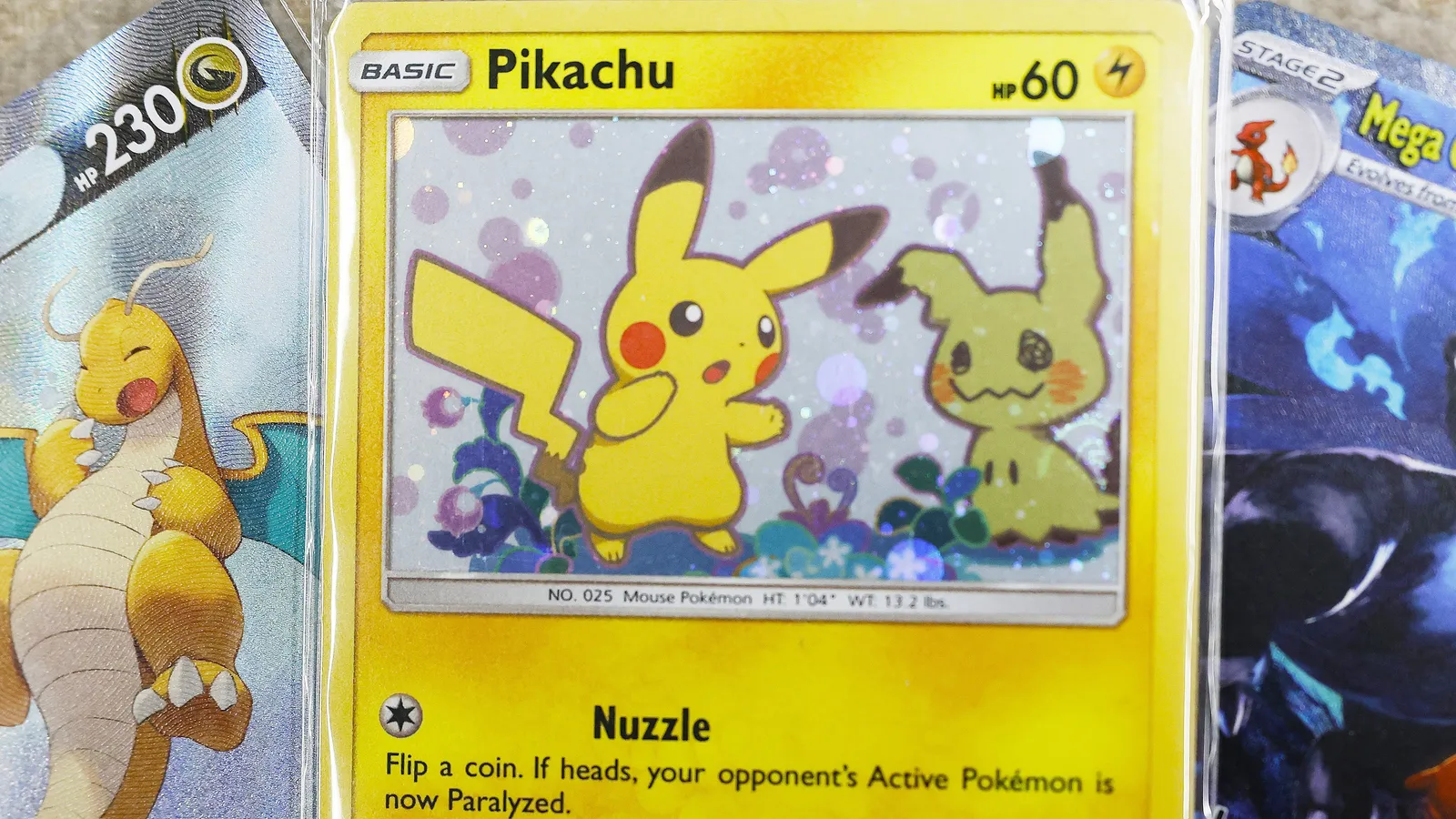
Nintendo president Shuntaro Furukawa said The Pokémon Company is taking measures to respond to large-volume buying and high-priced reselling. His remarks, made at a shareholder AGM and later made public, outline steps like made-to-order sales, marketplace operator agreements, and account verification for online priority drawings.
Nintendo president Shuntaro Furukawa says The Pokémon Company will “take measures” to respond to the Pokémon Trading Card Game scalping problem. At a recent shareholder AGM, he confirmed Nintendo is aware that “limited-quantity cards are purchased in large volume, leading to high-priced reselling in the market,” and he spelled out how The Pokémon Company plans to react.
Furukawa also laid out specific tactics: made-to-order sales, agreements with marketplace operators, and online priority drawings that may use an account verification method tied to Japan’s My Number Cards, the government-issued ID cards. The point is simple, and it goes straight to the decision makers who hate uncertainty: if limited supply keeps collapsing into resale, Nintendo and its equity-method subsidiary will try to control who gets access.
This isn’t just a fan annoyance. The source describes a broader ecosystem of friction around Pokémon card distribution, where new card launches routinely sell out and scalpers profit via eBay. It also points to theft turning from “hustle” into “crime,” including overnight store break-ins where trading card shop inventories are targeted. One New York card shop was reportedly hit by armed thieves in broad daylight, with staff and shoppers held at gunpoint. The examples keep coming: a Florida man was arrested on suspicion of stealing $12,000 of Pokémon cards with a battery-powered chainsaw, and in April, a Pokémon fan in Pasadena, California, was arrested for hiding inside a closed Best Buy ahead of a card drop.
Those incidents matter to boards and operators because they change the cost structure. When the secondary market spikes fast enough, the incentive shifts from buying and reselling to theft and intimidation, which increases reputational risk, public scrutiny, and potential legal exposure for everyone in the supply chain. In other words, even if card production is healthy, demand extraction through scalping can still turn retail into a pressure cooker.
Furukawa’s comments are framed through corporate accountability and product access. Pokémon is offered by The Pokémon Company, which the source calls an equity-method subsidiary of Nintendo. Furukawa said Nintendo communicates with The Pokémon Company “as needed” to discuss “appropriate ways to deliver products to consumers,” then added, “We believe that The Pokémon Company will continue to take measures to respond to this issue.” That language is careful, but the underlying message is firm: the problem is recognized at the parent-company level, and the response is not just more printing.
The proposed measures also reveal something about how these systems get gamed. Made-to-order sales can reduce the advantage of speed and bots, because availability is not limited to what happens to be in carts in the first minutes after a drop. Agreements with marketplace operators aim to reduce leakage into resale channels, which is where high-priced reselling happens. And the online priority drawing approach, paired with account verification using My Number Cards, targets the person behind the transaction, not just the transaction itself. For decision makers, that is a key pivot: treating scalping as a distribution integrity issue rather than solely a pricing issue.
The scale of Pokémon card demand is the backdrop for why this remains stubborn. The Pokémon Company has released sales figures showing enormous popularity, and the source notes that 85 billion Pokémon cards have been produced to date. It also emphasizes that 10 billion cards were manufactured in 2025 alone. That number is so large it borders on surreal, but the source makes the point that it still does not meet demand, especially when limited-quantity launches are harvested by large-volume buyers.
Manufacturing has ramped up, too. The source says 43 billion cards were printed across the 25 years between October 1996 and March 2022. Essentially the same amount has been released again in just the past four years. That kind of acceleration typically suggests supply-side investment is already happening, which means the scalping playbook is winning on the demand side. When production keeps growing but availability issues persist at stores, the likely culprit is distribution and allocation design, not factory capacity.
The timing adds another reason this may not calm down. The source flags Pokémon’s 30th anniversary set due in September, and with such milestone releases, demand often concentrates and spikes. For Nintendo, The Pokémon Company, and partners watching from adjacent categories, the strategic stakes are bigger than one fandom cycle: if allocation controls fail, the secondary market can become a parallel economy with its own crime incentives. If controls succeed, the industry learns a playbook for making limited launches more equitable without killing hype or tanking mainstream participation.
This story's Key Insights and Take-aways are locked.
Create a free account to unlock Executive Actions for one credit.
Register to UnlockAlways free for Executives Club members. Join the Club
More in Business

BioWare shuts down, Mass Effect 5 dead after $55B EA buyout
The legendary RPG studio's closure lands months after a $55 billion investment group buyout of EA, raising tough questions for gaming's biggest acquirers.

Musk barred from the room as Tesla, SpaceX boards weigh $3.5 trillion merger
The CEO of both companies is a 'conflicted party' watching independent directors negotiate a tie-up that would create a $3.5 trillion giant he would own about a third of.

Elon Musk just showcased a flying car - and it wasn't at Tesla
The Tesla CEO's latest reveal came at SpaceX, not Tesla, signaling where vertical mobility is headed.