
Niteshift lands $7M seed to break AI coding lock-in, betting on customer power
A new AI coding agent startup, backed by Datadog veterans, raised $7 million with a model makers-vs-users bet.
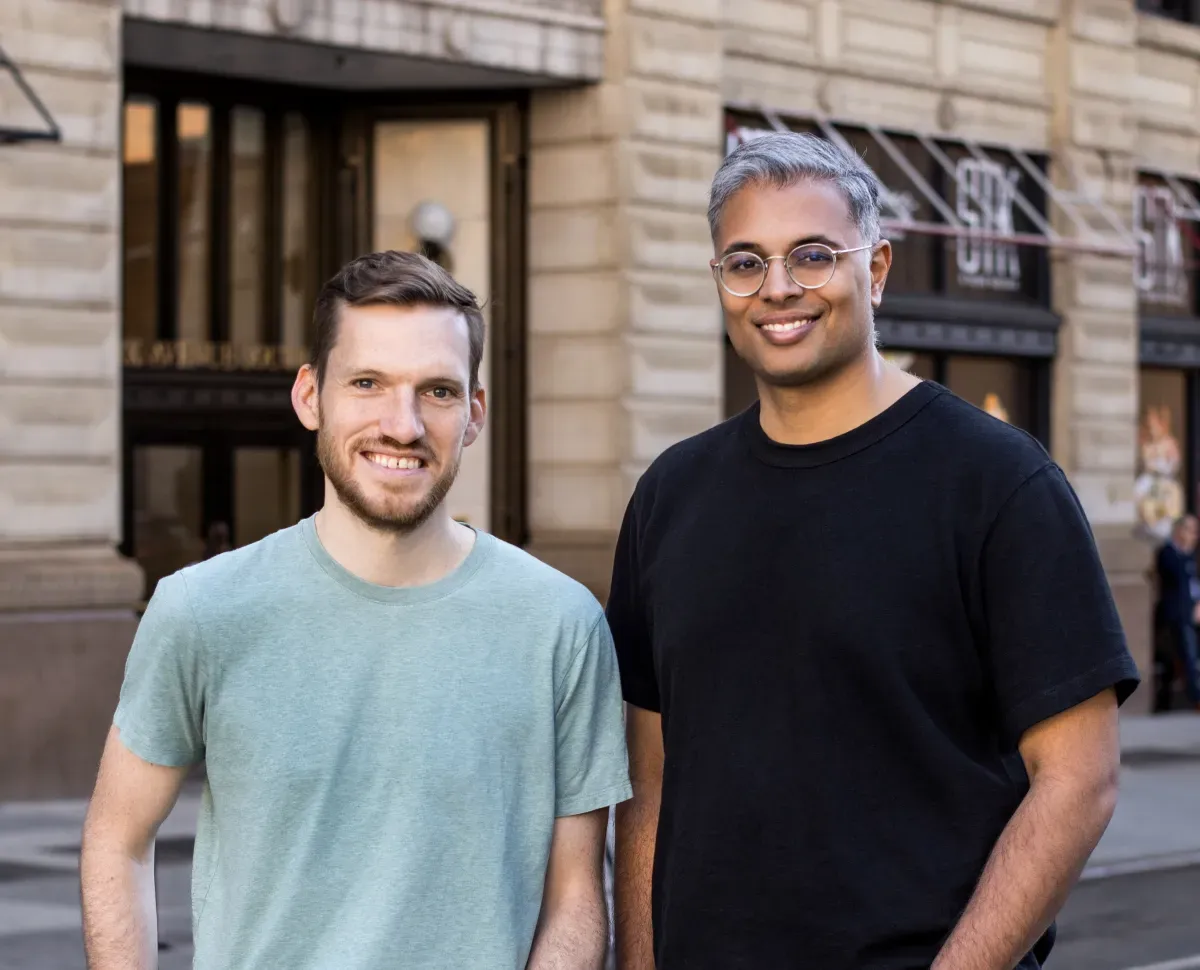
Niteshift, founded by Datadog veterans, raised a $7 million seed round from a prominent group of angel investors. The company is positioning its AI coding agent around a power-over-lock-in promise, aiming to give companies leverage with the model makers.
Niteshift, an AI coding agent startup launched by Datadog veterans, just raised a $7 million seed round, and the bet is as strategic as it is ideological. The company says it is building for a world where customers want power over AI lock-in, not another platform that quietly owns the workflow end-to-end.
That framing matters now because the “AI coding agent” category is moving fast, and early choices about how models get connected to tools can become sticky. Niteshift’s core thesis, according to the reporting, is that companies will prefer arrangements that preserve their leverage with the model makers. In other words: it is not just selling an autocomplete on steroids. It is trying to make sure buyers do not wake up later trapped by the very model ecosystem they started with.
A $7 million seed is also a useful signal for how the market is thinking about agent infrastructure. This is not a seed for a small feature; it is a fundraise intended to get the product and partnerships far enough to prove a sustainable path. The source notes Niteshift raised the money from a “who's who of angels,” which implies early belief from investors who typically pay attention to execution risk and distribution advantage. For decision-makers, the practical question becomes simple: can a new entrant credibly offer both a useful coding agent experience and a business model that avoids the lock-in trap.
To understand why “lock-in” is the headline issue, you have to look at how AI services usually evolve. Many AI products start with a clean interface and then deepen their integration with a specific model provider. Sometimes that integration is technical, sometimes commercial. Either way, switching costs accumulate: proprietary prompting patterns, tool integrations, fine-tuning workflows, data handling norms, and operational habits. Once those are embedded into a developer organization, model providers can gain bargaining power, and customers become less able to negotiate terms or swap vendors without disruption.
Niteshift is trying to preempt that dynamic by betting on customer leverage. The source describes the company’s approach as a “bet against Big AI lock-in,” with the specific focus that companies will want “power over, not lock-in, with model makers.” That is a loaded claim, but it also suggests the startup is thinking early about governance, portability, and the contractual and technical shape of how its agent works alongside different models.
There is also a regulatory-adjacent reason this story is worth your attention, even though the source does not cite new laws or enforcement actions. As AI systems get used for more business-critical work, regulators and enterprise compliance teams will care about where data goes, how it is used, and whether customers can control vendors. Even without naming a specific regulation, the direction of travel is clear: enterprises increasingly expect transparency, control, and auditability in AI workflows. A “no lock-in” positioning fits neatly into that mindset because it aligns with the enterprise instinct to keep optionality.
Second-order effects are where boards and executives should pay attention. If Niteshift can turn the lock-in concern into a real differentiator, it could change how buying decisions get made in the coding agent market. Buyers may start asking not only “Does it generate good code?” but also “Can we move our agent stack later without starting over?” That shifts procurement conversations toward portability and leverage, which can influence partnerships, pricing, and distribution. It can also pressure larger incumbents, since customers tend to reward architectures that reduce switching pain.
For executives at adjacent AI tools and platforms, this is the uncomfortable takeaway: your product may look great today, but market power can move later, based on who controls the critical path. Niteshift’s seed round is small compared to some of the giant model ecosystems it is implicitly pushing back against, but the strategy is not about out-spending. It is about out-designing the customer relationship.
Ultimately, Niteshift’s $7 million seed round is a vote that at least some investors believe the next battleground in AI coding agents will not be raw model capability alone. It will be who holds the keys to the workflow over time. If that bet lands, companies could gain more bargaining power with model makers, and coding agent adoption could become less of a one-way door into the same few ecosystems.
This story's Key Insights and Take-aways are locked.
Create a free account to unlock Executive Actions for one credit.
Register to UnlockAlways free for Executives Club members. Join the Club
More in Technology

OpenAI says 10,000 agents cracked a 90-year math problem in 88 hours
The company's claim is audacious, but one mathematician is pushing back. Here's what it means for AI-driven discovery.

Meta still serves child sexual abuse ads on Instagram in India - BBC report
A new report following the BBC Eye investigation says the ads are still there - what it signals for every platform with a self-serve ad engine.

White House yanks 'Build the Wall' game after Tetris Company copyright warning
The administration's arcade game vanished in hours - and the takedown playbook every brand can learn from.