

Noah Kahan backs Massachusetts Great Divide Act: 110% resale cap, 10% fee limit
Massachusetts lawmakers move to curb scalping, speculative tickets, and deceptive sites, with artists and venues left the override.

Massachusetts Governor Maura Healey announced The Great Divide Act, and Noah Kahan endorsed it via video. If passed, the bill would cap ticket resale prices at 110% of face value and limit resale-platform fees to no more than 10% of the ticket’s total resale price, alongside bans on speculative tickets and deceptive reseller websites.
On July 16, Massachusetts Governor Maura Healey announced The Great Divide Act, and Noah Kahan made the endorsement count. The proposal would cap concert ticket resale prices at 110% of the original face value, and it would limit service fees and charges imposed by secondary ticketing platforms to no more than 10% of the total resale price. Kahan, who virtually joined Healey’s press conference, framed the bill as a way to reduce scalping and speculative ticket sales that drive prices “to outrageous levels.” For executives in ticketing, live entertainment, and venues, this is not just another consumer-protection headline. It is a direct attempt to rewrite the economics of secondary markets.
The bill also targets how the resale business is done, not just what it charges. Under Governor Healey’s proposal, the resale cap would apply to all events unless an artist or venue explicitly authorizes a higher resale cap through a written agreement. The act would ban the sale of speculative tickets, meaning resellers listing tickets they do not actually possess, and it would prohibit deceptive resale websites that falsely suggest they are affiliated with artists or venues. That means compliance will not be limited to pricing math. It will require changes in inventory practices and marketing claims.
This is landing in a moment when ticketing reform has momentum, but the stakes are higher than ever for operators. Massachusetts residents, Healey said, have experienced the pain of buying tickets only to see resale prices and fees balloon the cost beyond affordability. She also pointed to a different failure mode: buyers paying a reseller and then discovering the seller never transfers the tickets. The Great Divide Act is trying to address both. By setting a ceiling on resale price and a ceiling on platform fees, it aims to stop the fee stacking that inflates the final checkout price. By banning speculative listings and deceptive sites, it aims to curb the “not actually transferable” scenario that can turn a planned night out into a dispute.
Kahan’s involvement matters because it signals where political pressure is coming from in the live business ecosystem. He said he is excited about the bill and credited the artist community and fans with benefiting from limiting ticket scalping and speculative ticket sales. He added that artists alone could not tackle market manipulation by secondary resellers, which is essentially the argument for why regulation is needed. The subtext for executives: if artists and fans are aligning behind legislative action, secondary platforms and venue operators will increasingly be pulled into a rules environment they do not fully control.
Massachusetts is not acting alone. Kahan previously advocated for a similar bill in Vermont, where Governor Phil Scott signed a resale cap bill into law at the end of May, making it the second state to pass such legislation after Maine. More than 20 other states have introduced ticketing consumer protection bills this year. And just this week, the Washington, D.C. Council passed the RESALE Act, which would regulate the ticketing market in the nation’s capital. For boards and leadership teams, the pattern is the point: state and local regulation is turning from a fringe idea into a parallel regulatory track. That complicates forecasting for any business that sells into multiple jurisdictions, because a “national” pricing strategy may get trimmed by patchwork caps, bans, and documentation requirements.
The Great Divide Act adds specific structure that secondary market players will have to operationalize. The resale cap at 110% of face value applies broadly, unless an artist or venue signs off in writing for a higher resale cap. That creates a carve-out dynamic. Instead of a single uniform rule, there is a pathway to adjust pricing power, but only through documented authorization. It also raises questions around how artists and venues will decide when to request an override. Executives should assume the override process becomes a new negotiation lever in relationships between talent and platforms.
The service fee limit is equally consequential. Limiting platform fees and charges to no more than 10% of the total price for resale forces secondary marketplaces to confront the difference between revenue and total cost to the buyer. If a platform’s margin historically depended on fees that scale with resale pricing, the cap changes the unit economics. That is before you even get to enforcement and how “fees and charges” are defined in practice. Executives should not underestimate how quickly legislators and regulators can turn definitions into compliance obligations.
Finally, the bill’s bans on speculative tickets and deceptive websites shift risk toward operators on both inventory and advertising. If a reseller lists tickets they do not possess, the practice would be illegal under the act. If websites suggest affiliation with artists or venues when they are not, those sites would be prohibited. That means platforms and marketing channels may face scrutiny over listing sources, fraud detection, and brand-affiliation claims. The Massachusetts bill will now move through the legislative process, considered by the state’s House and Senate before it can become law.
Strategic stake: in live entertainment, pricing is not just a consumer question, it is a trust question. Healey’s statement and Kahan’s endorsement both push toward a market where the final price is more predictable and where buyers have less risk of being sold something that cannot be transferred. If the Great Divide Act passes, it becomes another state-level signal that the secondary market will be required to trade with guardrails, not just algorithms.
This story's Key Insights and Take-aways are locked.
Create a free account to unlock Executive Actions for one credit.
Register to UnlockAlways free for Executives Club members. Join the Club
More in Business

Uber buys Delivery Hero for nearly $15B, vaulting to top food delivery outside China
The deal doubles Uber's dual-services footprint and pushes a ride-and-eats bundling play into 50 more markets.

Epic and Google drop settlement bid, forcing rival Android app stores by July 22
Google told the court it is ready to carry third-party app stores starting Wednesday, July 22.
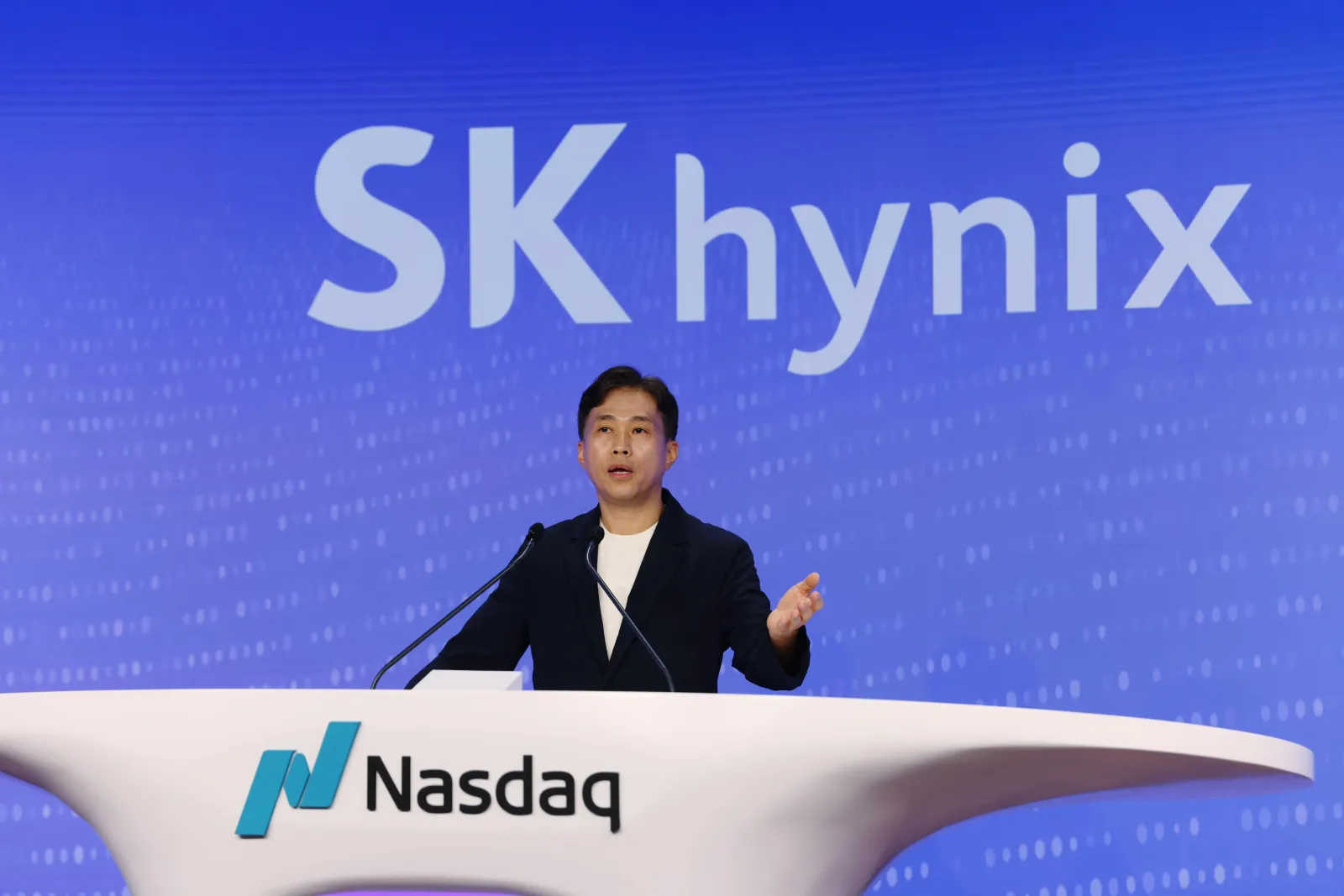
SK Hynix opens at $170, raises $26.5B, and tops foreign IPO records
In Friday's Wall Street debut, SK Hynix turns AI RAM demand into a $26.5B fundraising moment that rewrites comps.