

Noah Kahan sells out Wrigley Field July 14-15, then jokes about ketchup on hot dogs
At two packed nights, Kahan turns “I feel like shit” into communal energy, even in Chicago’s heat wave.
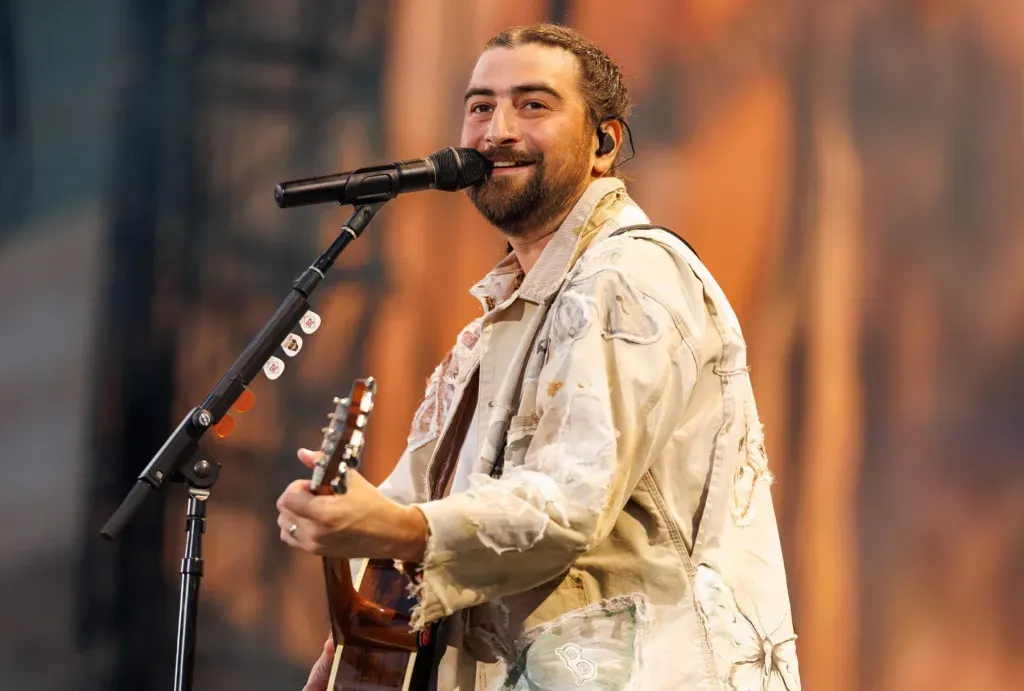
Noah Kahan brought his The Great Divide Tour to Chicago’s Wrigley Field for two sold-out nights on July 14 and July 15, performing tracks from Stick Season and The Great Divide. For decision-makers, the show is a case study in how live experiences can convert personal-heavy songwriting into shared, marketable connection.
Noah Kahan hit Chicago’s Wrigley Field for two sold-out nights on July 14-15, and he didn’t just deliver songs. He delivered an atmosphere. The headline of the moment, in true Kahan fashion, was not misery. It was the controlled pivot from private pain to public belonging, even as he cracked jokes like ketchup on hot dogs to keep the room loose.
On July 15, the second night, Kahan asked the crowd, “You guys ready to feel like absolute s- tonight?” with a knowing smirk, then basically told them they came to the right place. That line matters because it captures the entire premise of the tour in one breath: the audience came for the emotional honesty, yes, but also for the temporary relief of being with others who get it. When he sang “Dashboard,” especially during “you always went looking for an easy out,” one fan told their friend: “that’s me.” That is not a review line, it is lived behavior. And by the time he wrapped with “Stick Season,” the crowd was dancing, smiling, and reacting like the lyrics had turned into something lighter.
For executives, there is a reason this kind of concert narrative travels. Live events are one of the few entertainment categories where the product is the crowd itself. Kahan’s show is built around songs that name heavy feelings. The Billboard piece frames it as families singing about “generational trauma” alongside Kahan, couples grinning to “All My Love” (even if they ignore it’s about an ex), and friends scream-singing “you’re an asshole, after all” with their heads tossed back. In other words, the same material that can feel isolating on a phone screen becomes shared meaning in a stadium.
The tour also signals where Kahan’s momentum is heading commercially. Billboard notes that his third album, 2022’s Stick Season, “catapulted him into a different league,” and that this year’s epic 21-track The Great Divide helped him become MVP. In music-business terms, you can read that as a demand story. But it is also a trust story. When the artist openly calls out the reason people show up, it reinforces loyalty. Kahan admitted, after performing “Orbiter,” that he knows many came not to feel like s- - or at least to feel camaraderie in it. Then he looked outward from the stage and said, “To be able to look out into the crowd and see how happy you all are and connected you are makes me feel like there’s a point.” The second-order implication is simple: he is turning the most personal content into social proof, and social proof is what converts casual listeners into repeat attendees, even when the subject matter is uncomfortable.
There is another layer here: risk management through expectation-setting. Billboard says Kahan cautioned fans they would “feel like s-” during his two-and-a-half hour set, and even calls The Great Divide itself “stunning if not saddening.” That could be a problem in traditional event programming. Instead, the article argues the tour is “anything but” a downer. Why? Because the set architecture keeps moving. Fireworks erupted as “Stick Season” closed the emotional arc from downer to upper. Earlier, Kahan made his own bluff. He didn’t deny pain; he promised a transformation. For brands and platforms that deal in human attention, the lesson is that audiences will show up for discomfort if they believe they will exit with connection.
The Chicago context also matters. The article notes fans “braved a heat wave” to fill a 40,000-person venue. Heat is the enemy of patience, comfort, and long attention spans. Yet the crowd stayed engaged. That suggests the show delivered enough real-time reward to override environmental friction. In executive terms, it is a reminder that experience design beats content alone when logistics get ugly.
Finally, if you zoom out from Kahan and look at the touring ecosystem, this is a live case study in why “community” is not just a vibe word. It is an operational strategy. Kahan’s music becomes “bigger than the topic at hand” when performed live. And the clear outcome, per the article, is that this becomes a place to put feeling like s-t on pause and feel “happy and connected.” For peers in entertainment, hospitality, sports venues, creator economy businesses, and anyone building attendance-based revenue, the stake is whether you can do the same thing: convert intense personal stakes into a collective ritual that sells out nights, even under weather stress. Kahan’s Wrigley run shows the formula can work, and the crowd’s reactions show what it feels like when it does.
This story's Key Insights and Take-aways are locked.
Create a free account to unlock Executive Actions for one credit.
Register to UnlockAlways free for Executives Club members. Join the Club
More in Entertainment

12TB Steam 'teraleak' goes beyond Valve: GTA 3, Mafia 2 prototypes exposed
A 12-terabyte dump of Steam data reveals prototypes and builds of third-party classics like GTA 3 and Mafia 2, plus unreleased Valve content, rewriting game history.

LinkedIn's romance problem: 1 in 4 workers say dating on it is fair game
A new survey shows a quarter of U.S. employees treat the professional network as fair game for romance, even as LinkedIn bans it and removes hundreds of thousands of offending posts.

Enhypen's first No. 1 album breaks K-pop's Billboard 200 streak
The K-pop group's 98,000-unit debut tops the chart while Dolly Parton's catalog reentry shows how death reshapes streaming.