
NordVPN’s Saily now sells a US number via eSIM for $1 per month
A new Saily eSIM option turns a VPN company into a telecom-lite player, with real implications for growth and risk.
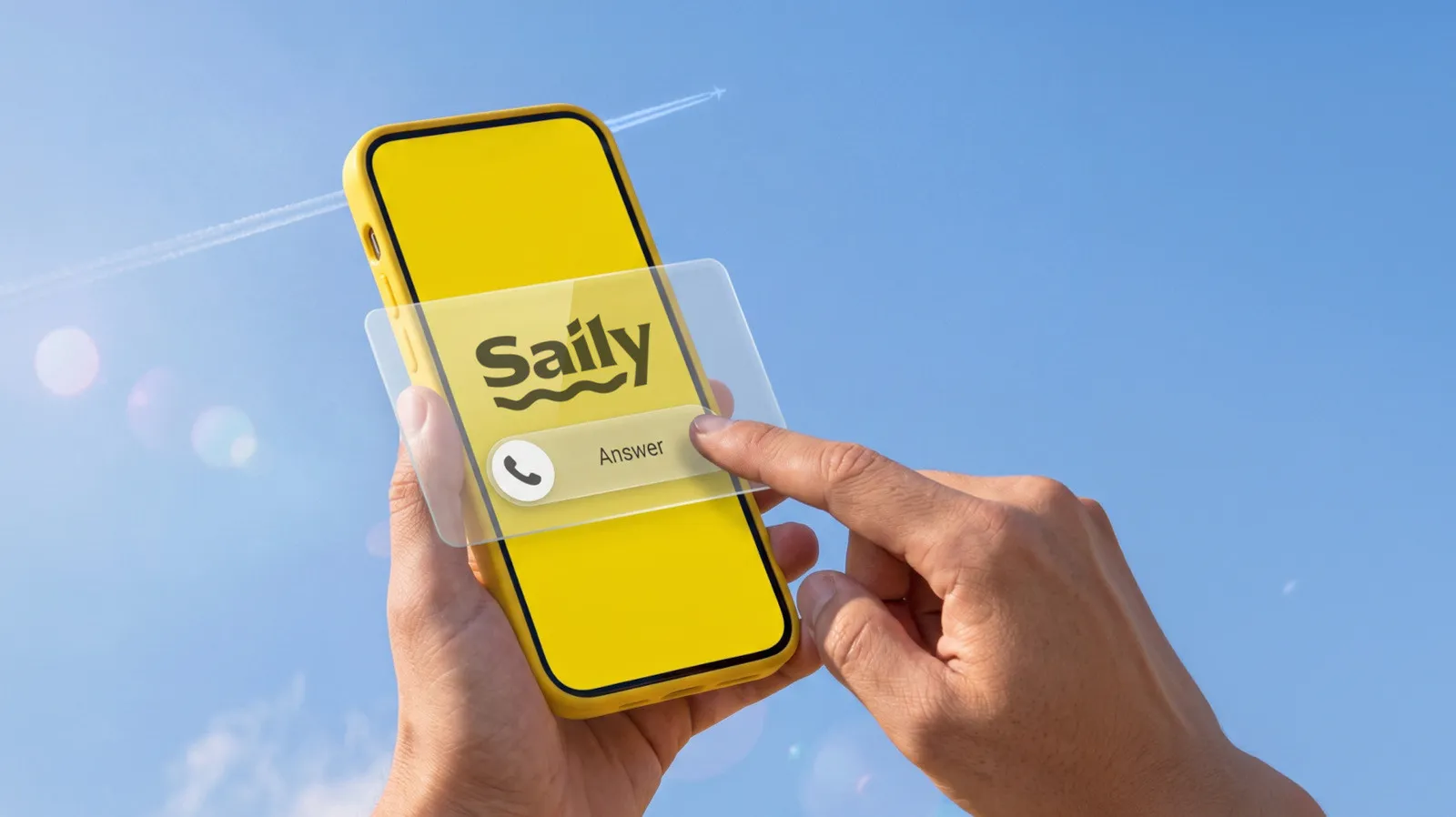
NordVPN’s Saily eSIM app now lets users get a US phone number for $1 a month. For decision-makers, it signals how VPN brands are chasing stickier, regulated-interfaces business beyond pure software.
NordVPN’s Saily eSIM app just added one simple offer with outsized consequences: a US phone number for $1 per month. That is the headline, but the more interesting part is what it means for how VPN companies are expanding, and how phone numbers are becoming another distribution channel, not just a telco feature.
On the surface, this is consumer convenience. But even if the price tag is low, the product behavior is not. Phone numbers are identity primitives. They are how people register accounts, reset passwords, receive verification codes, and establish “realness” in systems that still treat SMS as a gold standard. When a VPN-adjacent service sells a US number through an eSIM app, it changes the hands-on customer journey from “download an app for privacy” to “subscribe to a new layer of communications identity.” That can lower the friction to bring new users in, and it can also raise new questions for compliance-minded teams watching the edges of messaging, identity, and fraud.
To understand why this matters, you have to zoom out to how the market works. VPNs historically sit on the internet-traffic layer. They route data, mask IPs, and help with privacy and access. Telecom services sit closer to identity and connectivity. They enable the device to communicate, and they attach numbers to users and devices. By offering an eSIM flow tied to a US phone number, NordVPN is moving from “cloak” to “connection,” even if it is still positioned through Saily as an app experience rather than a full carrier.
There is also a regulatory and policy angle. Phone numbers and SMS flows have long been a focus for regulators and platforms because they can be abused. Verification systems are under pressure to reduce account takeovers while not blocking legitimate users. Number-based identity is central to that tug-of-war. Whenever a new provider offers numbers, even if priced for consumer adoption at $1 per month, it can change the risk landscape. The key point for executives is not that NordVPN is doing something inherently wrong, it is that this product sits in a more monitored and operationally sensitive area than typical VPN-only features.
Then comes the business incentive part. Pricing a US number at $1 per month is designed to drive trial and conversion. Low-cost recurring products have a way of building habits. They also reduce the perceived switching cost if users already found the service. For boards and operators, that is a strategic lever: bundling a number into the app ecosystem can increase lifetime value by pulling users into a recurring relationship that is tied to daily interactions like account logins and verification.
There is also distribution gravity. If Saily is easy to access as an eSIM app and provides a US number on demand, it can become a funnel for NordVPN’s broader brand. Even users who only need a number for onboarding or travel may stick around for the VPN, or vice versa. That cross-sell is often what makes platform-style expansions worth it. The second-order implication is that VPN competitors are likely to watch this closely. Not because everyone can instantly replicate the infrastructure behind numbers and eSIM delivery, but because this is a clear example of “privacy brand expands into identity layer” in a way that is easy to understand and easy to market.
Finally, there are peer consequences. When a well-known VPN company offers a US phone number through an eSIM app at a visible price point, it changes what customers expect. It normalizes the idea that a phone number can be purchased digitally, and that it can be paired with privacy tools. That expectation shift can put pressure on incumbents and adjacent providers, and it can also influence how app stores, payment partners, and verification ecosystems evaluate new entrants.
For decision-makers, the takeaway is to treat “$1 per month” as the top-line signal, not the full story. The real story is a product moving toward identity primitives and the compliance and operational demands that come with them. As privacy and connectivity brands compete for attention, the winning strategies may increasingly involve bundling communications identity into the same customer journey as VPN access. If you are a board member or operator in fintech, communications, or privacy, you should assume this category will keep moving, and that numbers are about to become a battleground, not just a telco utility.
This story's Key Insights and Take-aways are locked.
Create a free account to unlock Executive Actions for one credit.
Register to UnlockAlways free for Executives Club members. Join the Club
More in Technology

OpenAI says 10,000 agents cracked a 90-year math problem in 88 hours
The company's claim is audacious, but one mathematician is pushing back. Here's what it means for AI-driven discovery.
Meta still serves child sexual abuse ads on Instagram in India - BBC report
A new report following the BBC Eye investigation says the ads are still there - what it signals for every platform with a self-serve ad engine.

White House yanks 'Build the Wall' game after Tetris Company copyright warning
The administration's arcade game vanished in hours - and the takedown playbook every brand can learn from.