

NPS enters peak summer with 25% fewer permanent staff and looser entry rules
Expect longer lines, crowded parking, and less predictable visits at the busiest parks this summer.
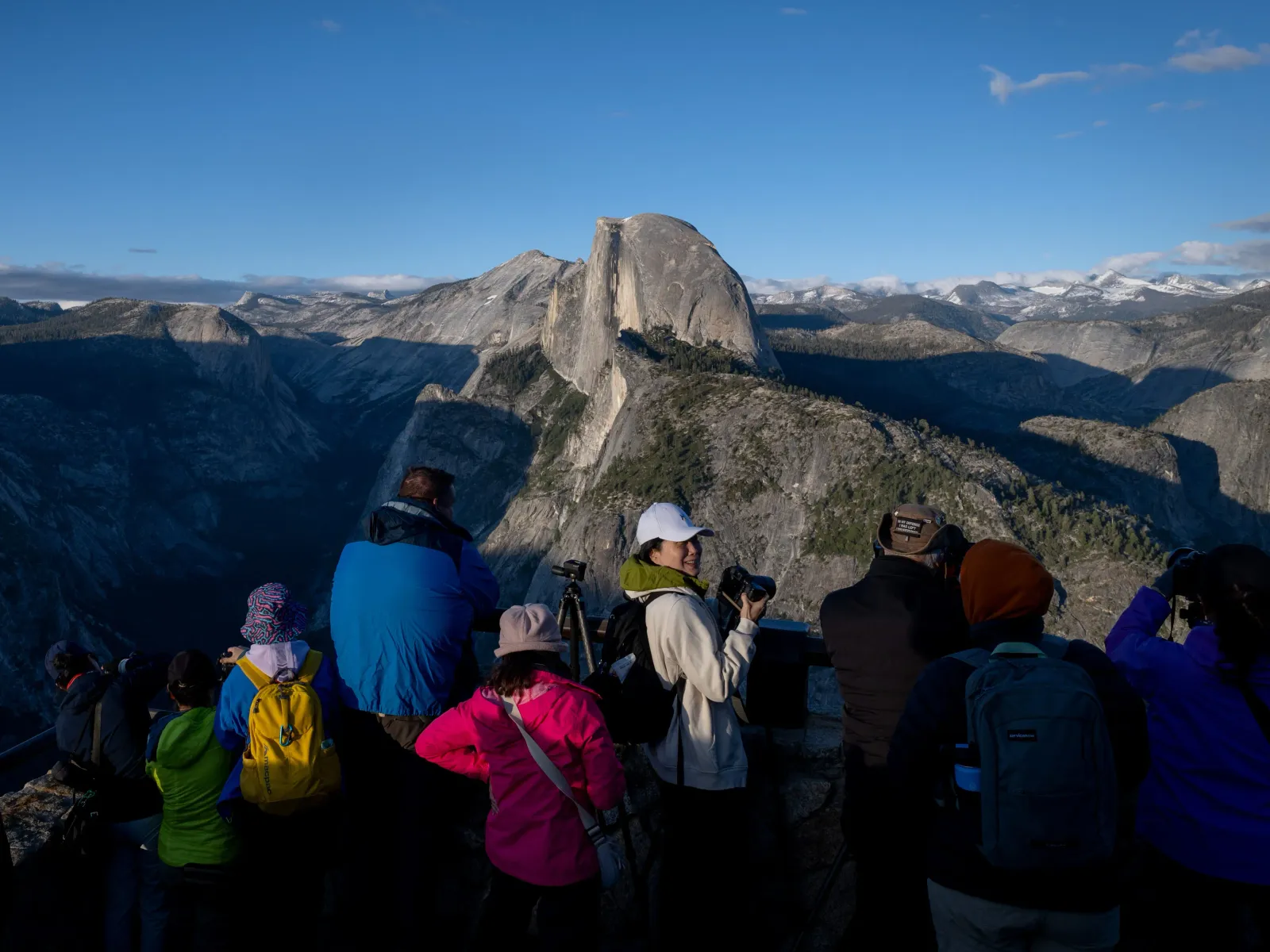
The National Park Service is heading into peak summer with fewer permanent staff and looser crowd-control rules at some of its most popular parks, according to records obtained by the National Park Conservation Association and reporting by Business Insider. For decision-makers, the operational squeeze changes the risk profile of visitor experience and resource protection at a national scale.
People are already showing up for Yosemite and other top parks like it is a rock concert season, with long lines and crowding that make the experience feel less planned and more chaotic. This summer, the National Park Service is effectively running peak-demand operations with fewer permanent staff and looser reservation rules at some of its most popular destinations, which park advocates say is translating into longer waits, packed parking lots, and trips that are harder to predict.
The staffing part is not subtle. According to records obtained by the National Park Conservation Association, National Park Service permanent staff is down 25% since January 2025. At the same time, the agency and its partners have eased some of the entry tools that were meant to smooth demand, even as the NPS recorded 323 million visits in 2025 and 26 parks drew more visitors than ever before. The result is a simple equation for travelers and operations alike: demand stays high, capacity is thinner, and the system can’t always buffer the peak.
Start with demand, because it sets the trap. Demand is expected to remain high this year, as high flight prices and conflict abroad have encouraged more Americans to stay stateside or take road trips. Expedia’s summer travel report found social media interest in domestic vacations up 77% year-over-year, and 63% of US travelers were planning a domestic trip. Some parks have already felt the pressure: Yosemite visitation was up 13% year-over-year in May, while Arches National Park logged record visitation in March. That’s why the “Big crowds” category is not hypothetical. Crowds climb their way up Yosemite’s Mist Trail and queue along entrance corridors where the real bottleneck is capacity, not scenery.
Now connect that to staffing. The Department of the Interior has said it would ramp up hiring of seasonal employees, prioritizing visitor-facing roles. Visitors could still see entrance gates and visitor centers that appear fully staffed, but park advocates argue the underlying constraint remains, because hiring and training pipelines are not uniform across locations. Emily Thompson, executive director of the Coalition to Protect America’s National Parks, told Business Insider that some parks have been able to hire just fine, while others have struggled. At Sequoia and Kings Canyon National Parks, 48% of permanent positions were vacant as of April, according to the union that represents park employees. The union said the staffing shortage was “placing enormous strain on existing staff, reducing the quality of visitor services, and impairing our ability to carry out the mission of the NPS.”
One operational consequence of this kind of shortage is that the “front-of-house” experience gets protected first, while other duties quietly slip. Thompson said seasonal hiring has been slower this summer because parks are competing for a smaller pool of seasonal staff, affecting both front-of-house and back-of-house operations. That could mean fewer ranger programs, slower maintenance, and less capacity to manage parking lots and trails. She also said one park in the Pacific West was so short-staffed that every park employee had to work a shift at their front gate, though she declined to name the park to protect employees. Even if a park looks staffed, Cassidy Jones, a senior visitation program manager at NPCA, told Business Insider that the visitor experience can still be affected because the NPS mission is twofold: to provide a good visitor experience and to protect park resources in perpetuity. In her framing, optimizing one without the other creates a long-term risk.
Then comes the reservation rules change, which is where the “less predictable visit” part really lives. Time-entry and vehicle reservation systems were implemented at several national parks in recent years to respond to overcrowding and long lines at entrance gates. But the measures were rolled back in some places this year. Yosemite, Glacier National Park, Arches National Park, and Mount Rainier National Park all cut reservation requirements to enter the park in 2026. Jones described these tools as created to make park experiences better, more predictable, protect resources, and make operations more effective and sustainable, and said the crowding and congestion challenges expected from eliminating managed access systems have come to pass.
You do not have to theorize the failure mode. Over Memorial Day weekend, Yosemite faced full parking lots and hour-plus waits at its entrance, with visitors posting videos of the long line of cars to social media. The park saw similar crowding in February, when reservations were dropped for its annual Firefall event, where a waterfall on El Capitan glows bright orange and looks like lava. The NPS said in a statement to Business Insider it is using a “park-by-park, conditions-based approach to managing visitor access.” In some locations, it said a comprehensive evaluation found a season-long reservation system was not the most effective tool. Instead, parks are using tools like traffic monitoring and active parking management, aiming to give visitors more flexibility while still actively managing peak visitation.
So what should visitors do, and what should executives learn from it? On the ground, some parks maintain timed-entry reservations while others still require permits or reservations for specific hikes, like Angel’s Landing in Zion National Park. Jones said it’s important to check updates about the specific park. NPCA recommends avoiding peak times by visiting midweek or arriving early or late. Thompson said visitors should be prepared to wait and have a backup plan, and added that visitors should be patient with park service staff who could be “overworked,” even suggesting thanking a park employee too. There is also a resource-stress angle: NPCA recommends extra precautions because avoidable search-and-rescue calls can put additional strain on park staff and resources.
For boards, operators, and anyone responsible for public-facing systems, the strategic stakes are clear. This is not just a visitor-complaint story. It is a stress-test of how capacity planning, rule design, and service quality interact when demand surges. With permanent staff down 25% and reservation management loosening at some marquee parks, the NPS is entering peak season with more variability built into the experience. If you run a high-demand network, the lesson transfers: when you remove demand-shaping tools without fully replacing the operational buffer, you do not simply reduce friction. You increase uncertainty, and uncertainty is expensive in both service and reputation.
This story's Key Insights and Take-aways are locked.
Create a free account to unlock Executive Actions for one credit.
Register to UnlockAlways free for Executives Club members. Join the Club
More in Business
Comcast shares jump 25% as it plans to split NBCUniversal and Sky
The tax-free spin-off could reshape focus, funding, and competition across media and tech for years.

Bungie cuts most Destiny 2 staff as Sony says Marathon still matters
Herman Hulst confirms layoffs affecting most Destiny and some Marathon teams after Bungie admits Destiny fell short.

SK Hynix jumps 11% after seeking up to $29.4B in Nasdaq listing
The chip giant filed for a Nasdaq listing plan that could raise $29.4 billion, instantly reshaping investor expectations.