

Nvidia's $12.9B Hugging Face acquisition: open AI's fate in question
The chip giant's purchase of the open-model hub raises antitrust and neutrality concerns that could reshape AI development.
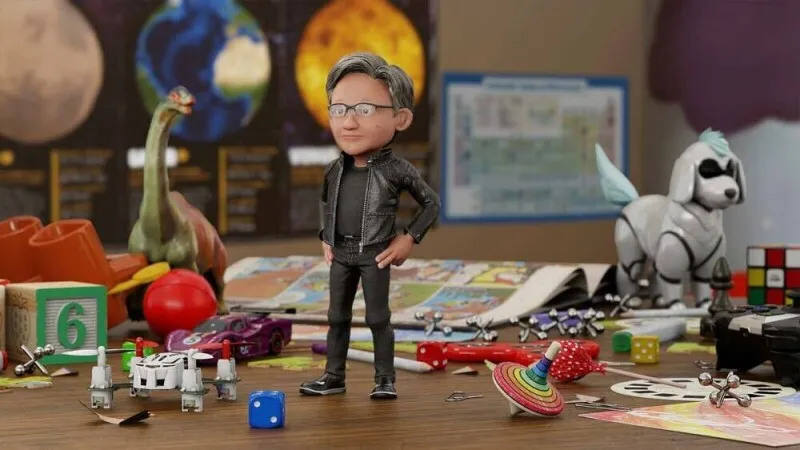
Nvidia agreed to acquire Hugging Face for $12.9 billion, promising to keep the open-model platform independent. The deal raises questions about the future of open AI, with regulators unlikely to intervene.
Nvidia's $12.9 billion acquisition of Hugging Face, the leading repository for open AI models, is set to close next year pending regulatory approval. On the announcement call, Hugging Face CEO Clement framed the deal as a resource boost, citing an ambitious goal to reach 100 million developers in the next few years. But The Register's Kettle podcast panel, including reporter Dan Robinson who broke the story, expressed skepticism that Nvidia's hands-off promise will hold. The concern: Nvidia's dominance in AI hardware and software creates an inherent conflict of interest when it owns the platform where competitors' models are shared and downloaded.
Hugging Face is often called the GitHub of AI, hosting thousands of open models and datasets that developers rely on for everything from fine-tuning to deployment. With an estimated 80 million users today, the platform is the default launchpad for new open-weight models. Yet the economics are shaky. Hosting large models and serving workloads is expensive, and many model creators are not generating revenue to cover those costs. Nvidia's deep pockets could stabilize the platform, but the panel questioned whether the pace of model development can continue if the funding source is also the primary beneficiary of AI adoption. The deal may simply be another form of circular financing, where Nvidia pays to keep the ecosystem alive while selling the chips that run it.
Antitrust scrutiny is unlikely to derail the deal. The Register's systems editor Tobias Mann argued in an op-ed that this is a ripe opportunity for regulators to step in, given Nvidia's control over the AI stack. But the panel noted the US administration has shown little appetite for tech enforcement. The government recently abandoned efforts to break up Google's ad tech business, and even the $17 billion penalty against Meta over social media practices is spread over ten years, with conditions that reduce its real impact. Europe is more assertive, but Hugging Face is US-based, so EU regulators have limited reach. The practical outcome: Nvidia will likely close the deal with minimal friction, leaving the open AI community to trust its promises.
One unresolved thread is Nvidia's reported interest in investing in Perplexity, the AI search and agent platform. That stake has not been publicly announced, and the panel wondered whether the Hugging Face deal changes the calculus. Perplexity, like many AI startups, may be seeking an exit before proving sustainable revenue. Nvidia's acquisition spree signals a strategy to control distribution and access points across the AI value chain, not just the silicon layer. For developers and enterprises, this could mean a more fragmented and siloed AI landscape, where the openness that defined Hugging Face becomes conditional on Nvidia's strategic interests.
The deal also raises questions about the long-term viability of open models. If Nvidia prioritizes enterprise customers who want controlled, private AI deployments, it may deprioritize the community-driven, freely shared models that made Hugging Face valuable. The panel drew parallels to GitHub's experience after Microsoft's acquisition, which brought stability issues and a shift in priorities. Hugging Face could face similar growing pains, especially if it scales to 100 million users. The infrastructure demands alone could strain the platform, and Nvidia's involvement might not solve the underlying tension between openness and commercial viability.
For executives and boards watching this space, the acquisition is a signal that AI consolidation is accelerating. Nvidia is not just selling picks and shovels; it is buying the mine. Companies that rely on open models for their AI strategies should assess their exposure to a single vendor's control over the ecosystem. The promise of neutrality is easy to make on day one, but harder to keep when quarterly earnings pressure mounts. The next 12 months will reveal whether Hugging Face remains a neutral hub or becomes another tool in Nvidia's arsenal. Either way, the open AI era is entering a new, uncertain chapter.
This story's Key Insights and Take-aways are locked.
Create a free account to unlock Executive Actions for one credit.
Register to UnlockAlways free for Executives Club members. Join the Club
More in Business
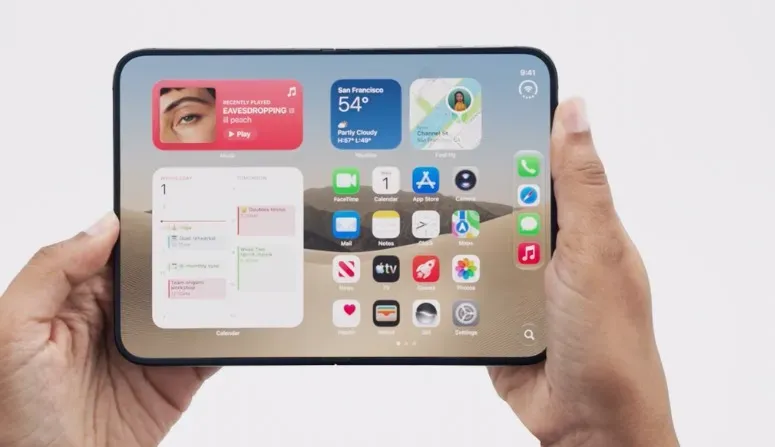
Apple unveils first foldable iPhone Duo with 7.6-inch display under new CEO Ternus
Apple's first foldable, the iPhone Duo, marks a major product bet for new CEO John Ternus, with a 7.6-inch unfolded screen.

Amazon Prime Air 767 overshoots Miami runway, killing at least 5
The Boeing 767 freighter from San Juan struck vehicles and erupted in flames, prompting a ground stop and a fresh NTSB investigation into Amazon's air cargo network.

Amazon Prime Air 767 overshoots Miami runway, strikes vehicles, catches fire
The Boeing 767, operated by 21 Air, was arriving from San Juan when it overshot the runway, triggering a ground stop and multiple injuries.