
Obsidian hit with California wage class action over alleged unpaid overtime and meal breaks
A class action filed October 2021 alleges wage and hour violations under California Labor Code and IWC Wage Orders.
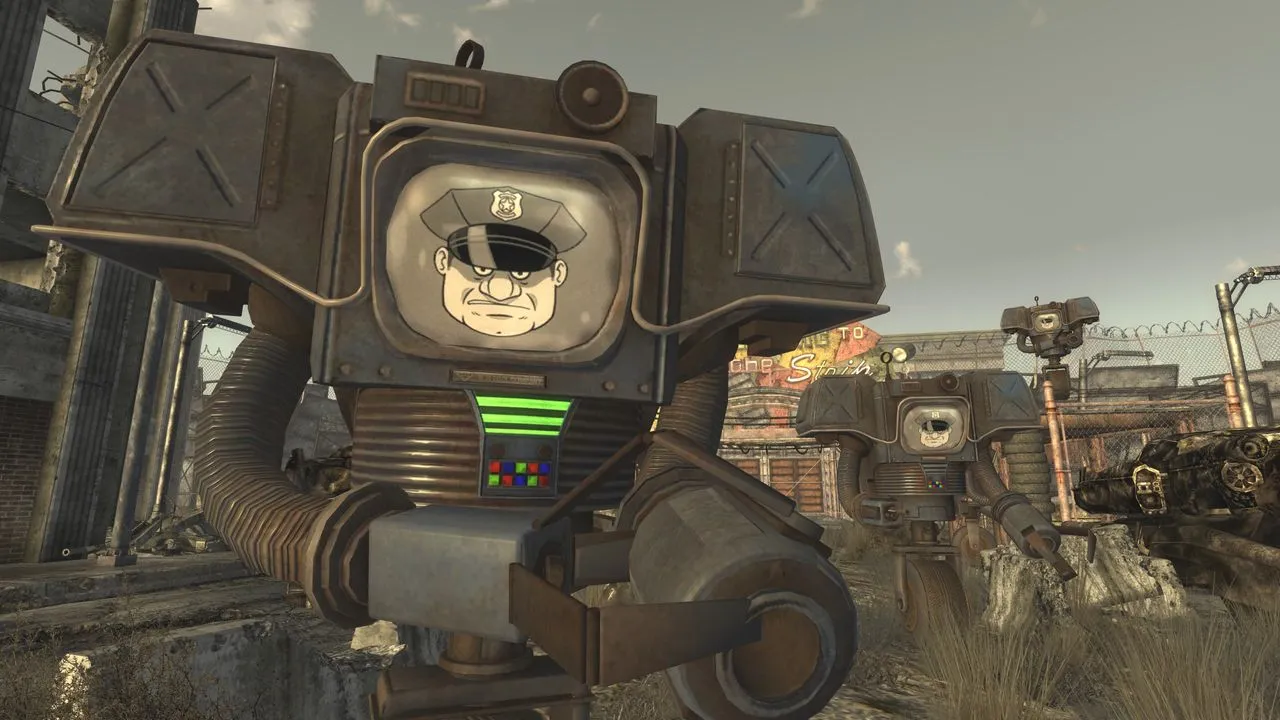
Obsidian Entertainment, studio behind Fallout: New Vegas and Avowed, faces a class action lawsuit alleging systematic wage and hour violations under California Labor Code and IWC Wage Orders. Obsidian denies “each and every allegation,” but the case could force expensive legal and compliance attention.
Obsidian Entertainment is facing a class action lawsuit alleging it “engaged in a systematic pattern of wage and hour violations” under the California Labor Code and Industrial Welfare Commission (IWC) Wage Orders. The suit names plaintiff Victoria Turner and defines the class as people employed by Obsidian “as non-exempt employees in the State of California” from October 9, 2021 up to class certification. Turner is also seeking to certify class members who left employment on or after October 9, 2022.
The immediate dispute is not vague or cosmetic. The complaint alleges Obsidian increased its profits by violating state wage and hour laws, including failing to pay “all wages (including minimum wages and overtime wages)” and failing to pay wages “due upon separation of employment.” It further claims Obsidian did not provide “lawful meal periods or compensation in lieu thereof” or “lawful rest breaks,” did not reimburse necessary business-related costs, and did not provide “accurate itemised wage statements.” In other words, the alleged issues touch both timekeeping and paperwork, plus the pay consequences when employment ends.
This case has been ongoing since October last year, according to the reporting cited by PC Gamer, and it drew extra attention after an amended class action complaint was filed in January. A Reddit user, macken_zee, flagged it on the r/pcgaming subreddit. That matters because, in the games industry, labor cases do not just live in court. They also travel through community networks fast, and that can amplify recruiting and retention risks even before any verdict.
The procedural posture matters too. The suit defines the potential scope by time window and employee classification: “non-exempt employees in the State of California.” That classification is central in wage-and-hour disputes because it determines whether workers are subject to minimum wage and overtime requirements. By anchoring the class definition to specific dates, the plaintiff is aiming to turn employment practices over a multi-year period into a measurable liability question for the company.
Obsidian responded in early March, and the response is blunt: it “denies, generally and specifically, each and every allegation” made by the class action lawsuit. Obsidian also laid out 38 points in its defense. One of those points alleges employees “consented to and/or acquiesced in the alleged conduct by Defendant of which Plaintiff now complains.” The lack of movement since March, noted by PC Gamer, suggests the parties may be waiting for procedural developments, discovery, or further amendments. For executives and boards, this is the stage where risk management has to operate in parallel with process: you prepare for costs even if the final outcome is not yet visible.
It helps to understand why wage-and-hour claims are especially combustible in entertainment and tech-adjacent work. Game development often involves unpredictable schedules tied to production milestones. That reality does not automatically create legal exposure, but it does make accurate timekeeping and legally compliant breaks non-negotiable. If the business model leans on long hours without tight compliance, regulators and plaintiffs may argue that “request” culture becomes a systematic pattern in practice.
PC Gamer points to background from 2019, when Obsidian senior designer Brian Hines told PCGamesN that “Obsidian is not a crunch studio.” Hines said developers would occasionally be asked to put in additional hours “for a week or so,” but that it was “always a request” that developers were free to decline. That historical framing will likely matter in how the defense explains intent and how it characterizes workplace norms. But it also highlights the tension companies face: statements about culture and discretion can collide with a lawsuit’s focus on what employers allegedly did with wages, meal periods, rest breaks, reimbursements, and wage statements.
What should decision-makers take from this, beyond the headline? First, even when a studio denies every allegation, the complaint’s categories show the compliance checklist executives should expect plaintiffs to litigate: overtime and minimum wage calculations, separation pay, break compliance, reimbursement practices, and wage statement accuracy. Second, class actions turn individual disputes into aggregate risk, and that can pull legal spend into the spotlight long before any settlement or judgment. And third, in an industry where talent is mobile and communities amplify stories quickly, labor disputes can become an operational issue, not only a legal one.
For peers running studios, publishers, or adjacent product teams, the lesson is practical. California wage-and-hour exposure is not just about one bad payroll run. It can become a multi-year, category-by-category compliance review under the IWC Wage Orders framework. Obsidian’s case is still early enough that outcomes are unknown, but the allegations already map a clear set of pressure points that boards should be asking about today: how time is tracked, how breaks are handled and documented, how reimbursements are processed, and how wage statements are generated and audited. Even with a firm denial, the cost of getting it wrong can ripple through legal risk, management attention, and workforce trust.
This story's Key Insights and Take-aways are locked.
Create a free account to unlock Executive Actions for one credit.
Register to UnlockAlways free for Executives Club members. Join the Club
More in Business

Accenture’s $4.18bn play fails as AI fears spark a 20% worst-ever stock plunge
On Thursday, Accenture hit its biggest one-day drop on record after forecasting worries that AI could hollow out consulting.

SpaceX stock jumps 3% after it overtakes Amazon’s market cap
CNBC says SpaceX’s shares surge following its IPO Friday, forcing investors to reprice what “space” and “AI” are worth.

SpaceX’s first options day breaks U.S. records after a $85B IPO win
Big IPO, bigger options debut: what it means for investors, risk teams, and anyone benchmarking market appetite.