
Off Campus threatens to block accounts over targeted harassment, after Season 2 drama
Prime Video's series team tells fans it will remove follows tied to harassment, as backlash swirls around Season 2 leads.
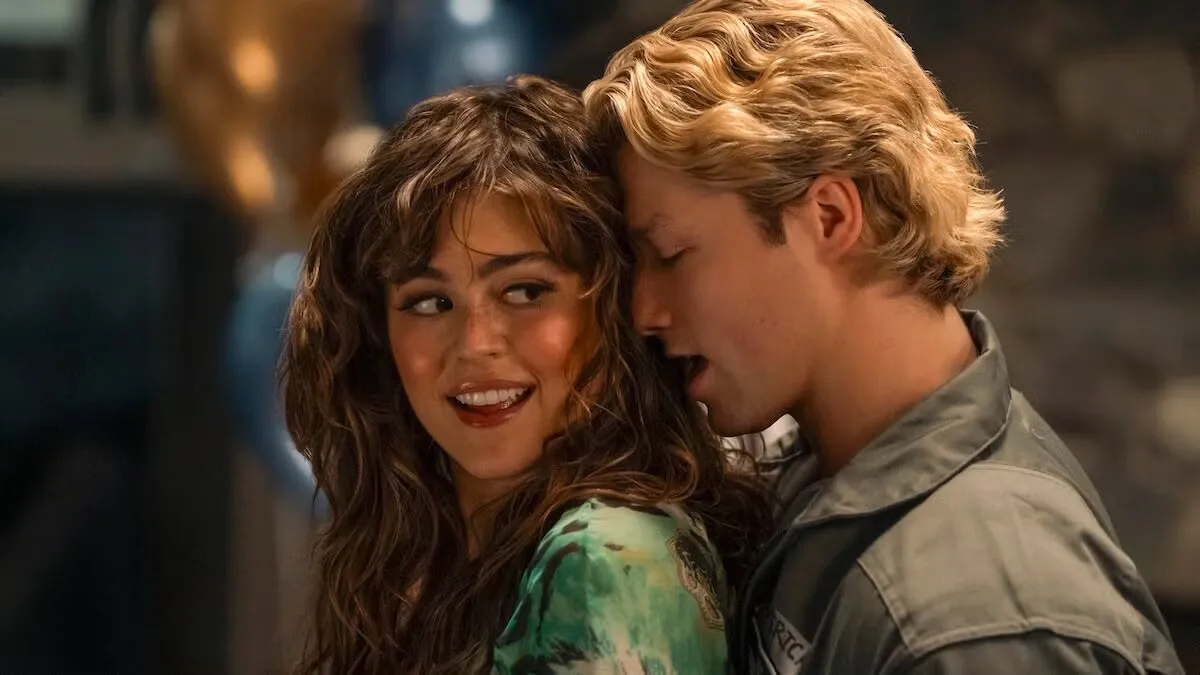
The official X account for Prime Video's Off Campus team warned it will remove accounts from following its platforms that engage in targeted harassment. The move comes amid heightened scrutiny around cast personal lives, including the Season 2 leadership of Mika Abdalla and recent resurfacing of an old clip.
Prime Video's Off Campus team is drawing a hard line for fandom behavior. On X Thursday, the series official account said, “Accounts that engage in targeted harassment will be removed from following our accounts,” adding, “We ask that everyone in this space extend that respect to our cast and the people in their lives.”
This is not abstract PR boilerplate. It lands right as intrigue around the cast and their personal lives spikes, with fans digging into off-screen details tied to Mika Abdalla, who is set to lead Season 2 of the Prime Video franchise. Abdalla and her ex-fiance Jake Short announced they split up, and then fans resurfaced a clip of Abdalla, a former Disney child star, calling her co-star “some b-tch.”
After the clip resurfaced, Abdalla and Short responded with a joint statement to Us Weekly clarifying that the 30-second podcast clip was not representative of their five-year relationship. They said, “People making harmful and inaccurate assumptions about our dynamic,” and added: “We were in a loving, respectful relationship for five years, and it’s hurtful to see playful moments dissected in a way that does not reflect the respect and love we had and still have for each other.” That context matters, because the Off Campus team’s message is aimed at the gap between fan interpretation and what the people actually say happened.
The team’s wording is also a window into how entertainment brands are managing the risks of modern attention economies. When a streaming show’s audience starts “investigating” relationships, old audio clips, and personal statements, companies are forced into a familiar balancing act: letting discourse happen while stopping harassment from becoming a policy problem. The Off Campus account framed its posture as community building, saying, “The Off Campus community is built on a shared love of storytelling - and on respect for the real people who bring it to life.” Then it backed that sentiment with an operational threat: accounts can be blocked from following the series accounts.
For decision-makers, this is an incremental escalation that looks small until you connect it to where the internet goes next. Removing accounts is a moderation lever, not a legal one, but it changes how fast harassment clusters spread, how coordinated dogpiles form, and how quickly brand-owned channels get poisoned. It also signals that the series is watching how quickly controversy can outrun official communication. In other words, the team is trying to reduce friction for fans who want to talk about the show, while raising friction for fans who turn cast and crew into targets.
This also fits a broader pattern across YA and reality TV fandoms. The source notes that Prime Video has had to make similar statements before to fandoms of its YA shows, specifically “The Summer I Turned Pretty.” Ahead of the Season 3 drop last summer, the streamer threatened to ban fans for hate speech or bullying against the cast and crew, emphasizing a zero tolerance policy for cyberbullying. That matters because it suggests this is becoming a repeatable playbook: studios and streamers are creating “house rules” that scale with release cycles and ramp up when speculation peaks.
Peacock is doing the same kind of thing on a different content type. The source says Peacock issued a similar message on behalf of “Love Island USA” ahead of its Season 8 premiere, writing in an Instagram post that The Villa runs on “good vibes” and that it is not a space for hate or harassment. The common thread across these shows and platforms is that moderation and communication are being treated as part of the launch process, not a one-time crisis response.
Zoom out further, and you can see why boards and executives should treat these statements as more than social media content. Reputation risk in entertainment is no longer limited to press coverage; it now includes platform behavior, creator safety, talent relations, and advertiser comfort. Even if the legal exposure is unclear, the practical exposure is measurable: talent may worry about harassment, partnerships may get spooked, and audiences can polarize around who is “allowed” to participate in fandom. When an official account threatens account removal, it is not just condemning behavior. It is setting expectations that can reduce the time spent firefighting, because the channel already told people what it will do.
So what’s the strategic stake for peers in similar roles? If you are a studio, streamer, or brand building around a cast-dependent IP, fandom moderation has become a governance issue. The Off Campus team is effectively saying: we will enforce respect through action, not just appeals. And the reason that matters now is simple. As soon as releases hinge on identifiable real people, the audience will try to map story to life. The companies that survive the attention cycle are the ones that decide, early, where the boundary is, and then actually draw it.
This story's Key Insights and Take-aways are locked.
Create a free account to unlock Executive Actions for one credit.
Register to UnlockAlways free for Executives Club members. Join the Club
More in Entertainment

Entertainer Russell Brand denies 7 sex charges amid accuser's 'couldn't breathe' claim
The alleged victim's account sharpens the reputational and legal stakes for Brand, his platforms, and any business tied to a public figure under criminal scrutiny.

Russell Brand's accuser 'bewildered and confused' as he denies 7 sex charges
The criminal case against the comedian is a live test of how media companies manage talent risk when serious allegations go public.

'It's a Magic Trick': Ballet Experts Say Rosalía's SNL Pose Is Impossible
Three ballet experts tell Rolling Stone Rosalía's gravity-defying SNL stillness shouldn't be possible - and why the debate is now part of the show.