
Oil prices plunge after Trump halts a U.S. assault on Iran, investors rush in
Markets moved for the first time after President Trump’s late Saturday pause, sending a clear signal to energy and risk desks.
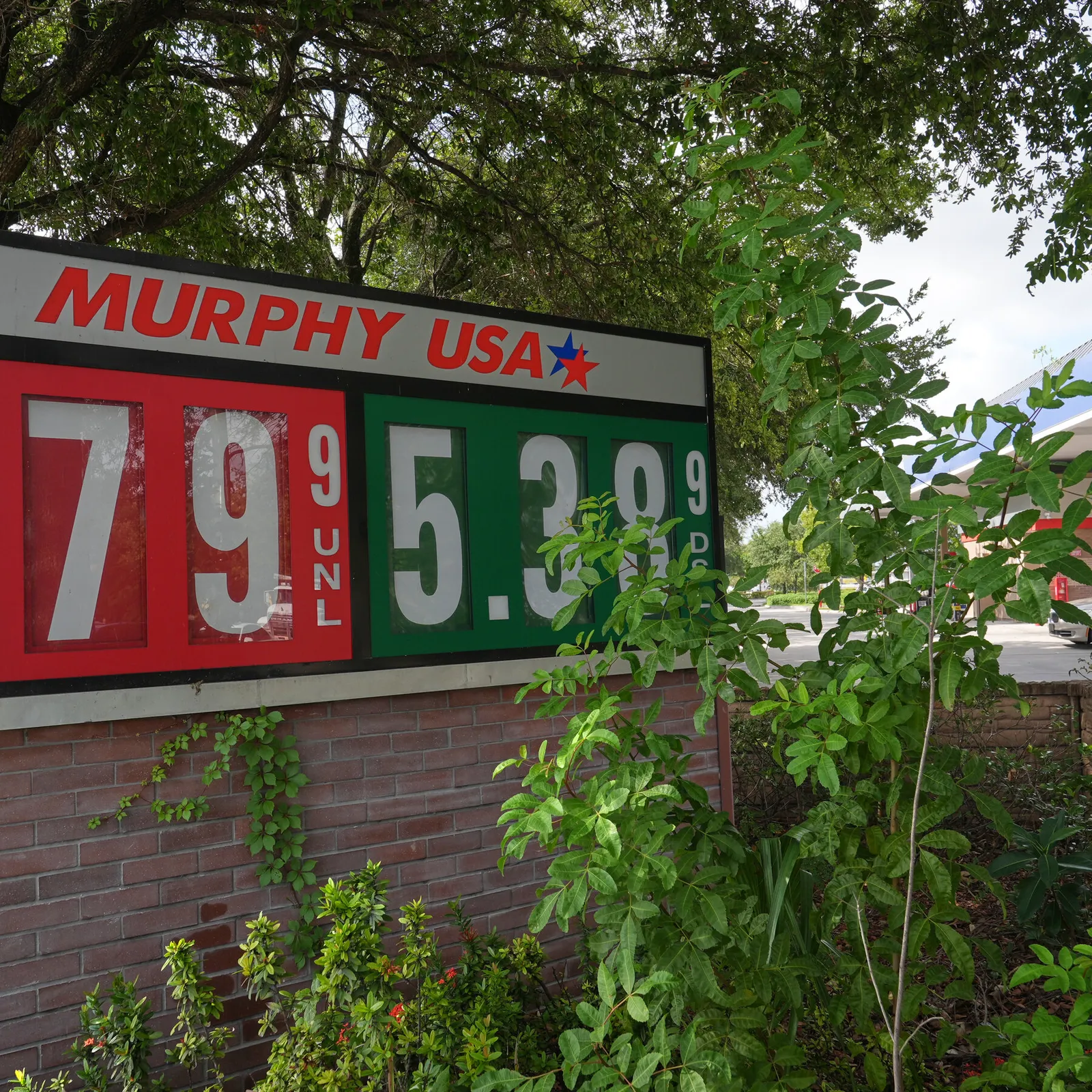
President Trump said late Saturday that he had halted a U.S. assault on Iran, and markets reacted with immediate trading moves. For decision-makers, the shift affects hedging, funding costs, and scenario planning across energy, shipping, and risk-sensitive portfolios.
Oil prices plummeted as investors processed a single new piece of information: President Trump said late Saturday that he had halted a U.S. assault on Iran. The markets' moves were the first since that announcement, which matters because energy markets do not react only to headlines. They react to what the next headline might be, and when.
That “pause” changed the immediate risk calculation. In the hours after Trump’s late Saturday statement, traders repriced the probability of further escalation, and that repricing showed up fast in crude pricing. When geopolitical risk looks like it may peak or pause rather than escalate, investors usually unwind parts of their “tail-risk” positioning. That can mean lower demand for hedges tied to sudden supply disruptions, and it can pressure prices downward even before anyone can confirm how long the pause lasts.
To understand why this is such a big deal, zoom out to how markets usually price wars. In conflicts tied to critical infrastructure and chokepoints, oil is both a commodity and a proxy for uncertainty. If investors believe supply routes could be disrupted, production constrained, or shipping rerouted, they tend to pay a premium for “insurance” through higher spot prices or higher implied volatility in related derivatives. But if the market believes an assault has been halted, even temporarily, that premium can shrink quickly. That is what you saw reflected in the plummet.
There is also a timing angle that executives should care about. The original report notes that the markets’ moves were the first since the statement late Saturday. That phrasing is a quiet reminder that markets often have gaps between major political developments and the moment traders can fully express their views in volume. When the first tradable window arrives, you can get a sharp repricing. That does not necessarily mean the long-term thesis is flipped. It means the near-term pricing mechanism finally woke up.
For corporate decision-makers, especially in energy, industrials, and any business exposed to fuel costs, the second-order impact is operational planning. Lower oil prices can reduce near-term input costs for some firms, but it can also create revenue volatility for producers, refiners, and firms with supply chain agreements linked to benchmarks. Boards typically worry less about “what price is today” and more about what becomes of guidance, margins, and hedging strategies when a geopolitical assumption changes.
Hedging itself becomes tricky after an abrupt shift in the expected path of events. If risk has just eased, the cost of hedges tied to further escalation can fall, but that can collide with positions already in place. CFOs may face questions like: Did we hedge at a high implied risk premium? Should we rebalance quickly, or do we risk churn if the market whipsaws again? The headline fact here is simple, but the financial plumbing it hits can be complex because derivatives markets often front-run even modest changes in probability.
There is also a broader risk-management implication. A halted assault suggests a pause in the escalation ladder, but it does not automatically resolve the underlying dispute. Markets can interpret halts as de-escalation, negotiations, or a tactical pause. Each interpretation influences different parts of the risk curve, including how investors price the likelihood of future disruptions. That is why investors “digest” pauses, not just headlines. The market is constantly asking whether a pause is the end of a chapter or just the next scene.
For peers in similar boardrooms and executive suites, the strategic stakes are immediate. If you operate anywhere near energy demand, fuel logistics, insurance, or trading counterparty risk, a sharp move in oil is not just a macro datapoint. It is a signal about the near-term risk environment investors are willing to underwrite. When that environment changes quickly after a presidential statement late Saturday, it can ripple into financing costs, consumer demand expectations, and contract renegotiation pressure across sectors.
This story's Key Insights and Take-aways are locked.
Create a free account to unlock Executive Actions for one credit.
Register to UnlockAlways free for Executives Club members. Join the Club
More in Politics
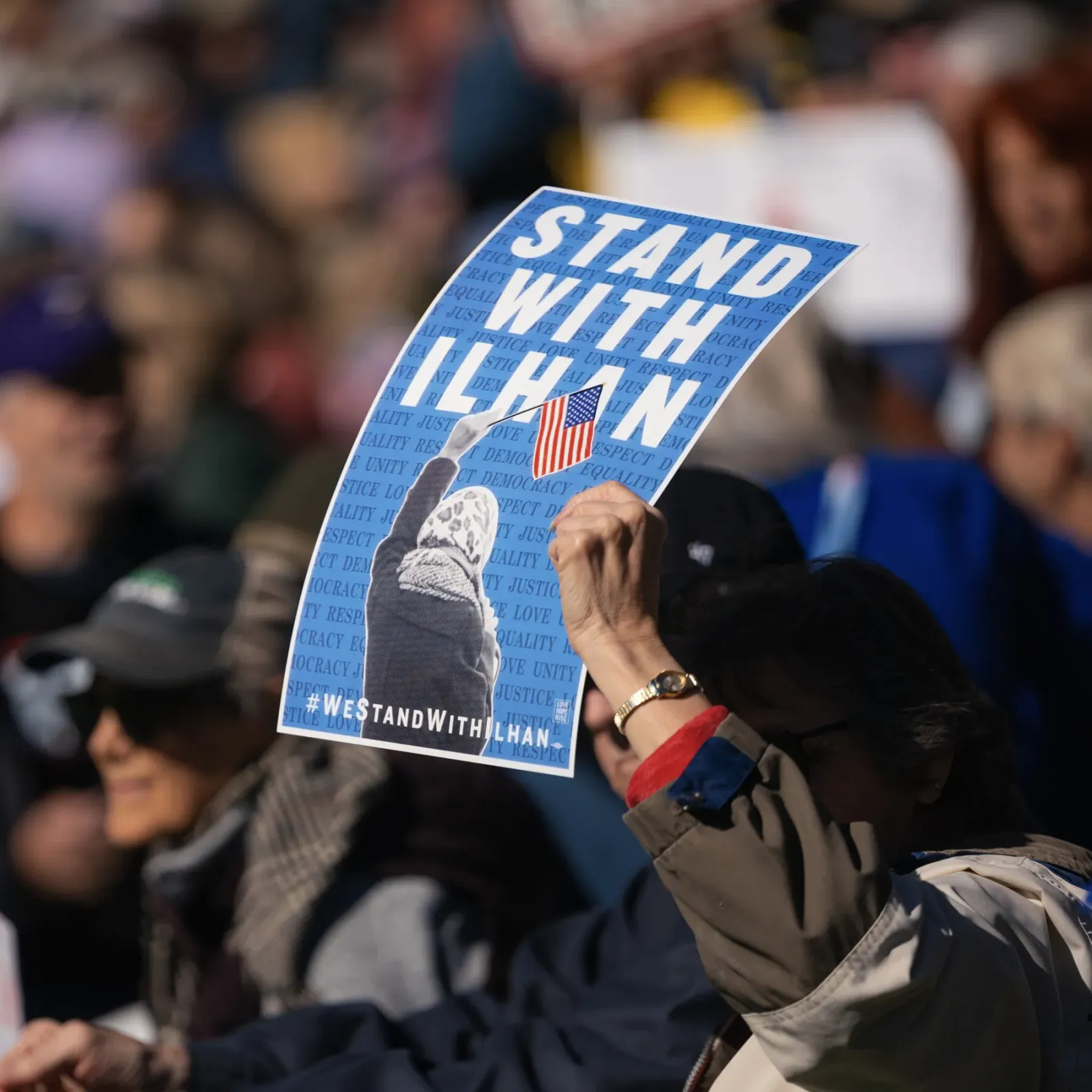
Obama Defends Ilhan Omar After Agents Search Her Home in Trump Inquiry
The former president's intervention raises the stakes in a federal probe into immigration paperwork that has put a prominent progressive lawmaker in the crosshairs.

Blair-era minister: cut welfare to fund youth job support
Alan Milburn's call for welfare cuts to fund employment support opens a Labour fight over benefits and the Neet crisis.
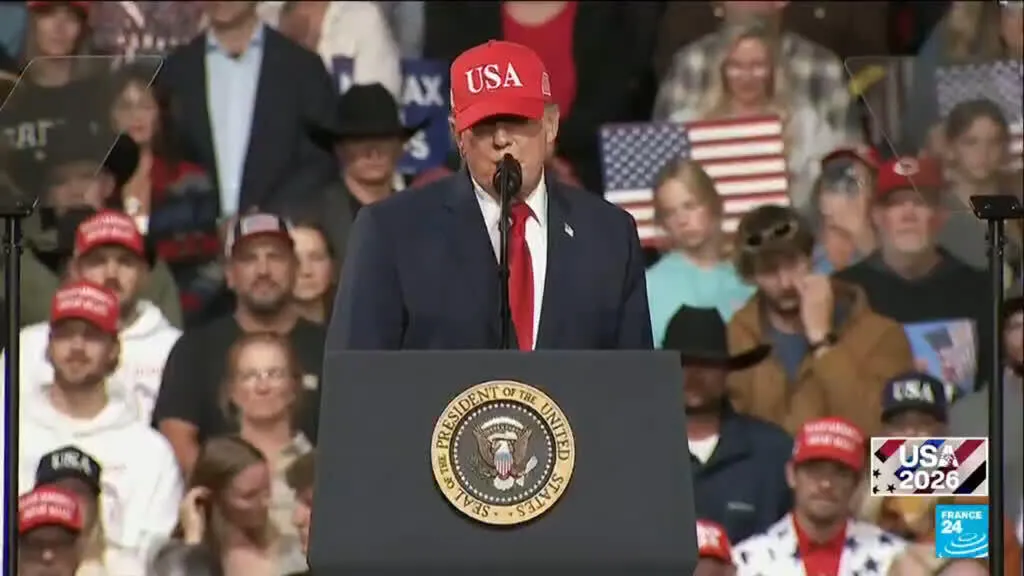
Hot September CPI: energy costs surge, voters feel the squeeze before midterms
The latest inflation print lands as Trump campaigns for GOP control of Congress, putting cost-of-living worries at the center of the midterm fight.