
Trump says U.S. backed Japanese yen in rare intervention, calling it “friendship”
A first joint yen support move in nearly three decades, and markets are now forced to read the signal.
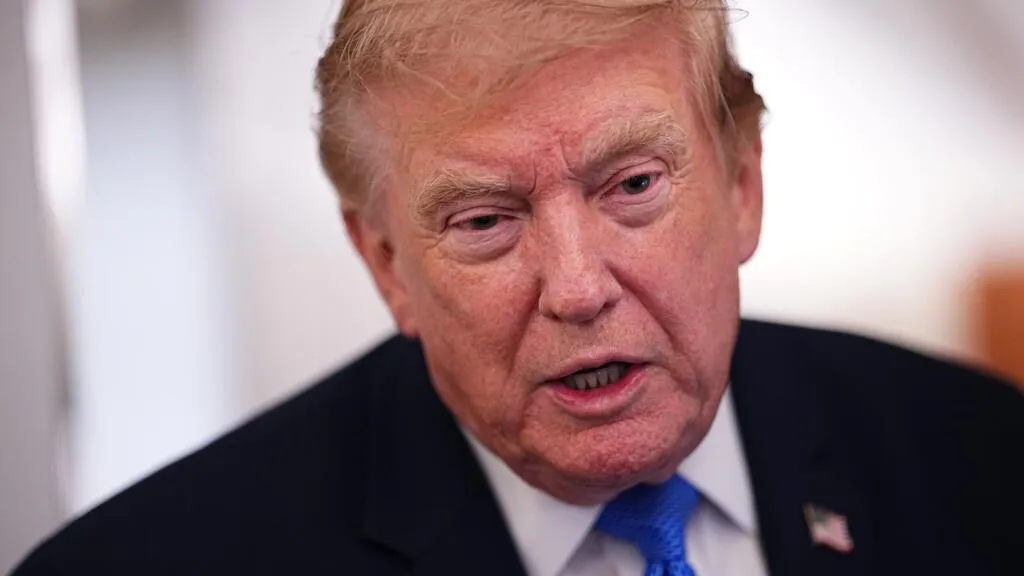
President Donald Trump said on Sunday the United States intervened to support the Japanese yen and called it a “signal of friendship.” The Financial Times reported Washington and Tokyo jointly backed the yen for the first time in nearly three decades, a shift that matters for currency risk and global macro positioning.
President Donald Trump said on Sunday that the United States intervened to support the Japanese yen, framing the move as a “signal of friendship” that would benefit both the US and the global economy. The key detail, though, is not the phrasing. It is the fact pattern: a politically charged, cross-border currency action that is usually the kind of thing markets notice immediately, then try to price within hours.
According to the Financial Times, Washington and Tokyo jointly backed the yen for the first time in nearly three decades. That “nearly three decades” part is important because it signals how rare coordinated intervention is, and it changes how executives should interpret the current macro mood. If US and Japan are cooperating on yen support, traders and risk committees will assume higher stakes than a routine market wobble, even if the public justification is diplomatic.
To understand why this matters, zoom out to how currency markets usually operate. Intervention is an exception, not the routine. Central banks and governments typically prefer to guide expectations indirectly, through policy communication, interest rate paths, and macro data influence. Direct support usually means policymakers want to do more than float a signal. They want to affect the exchange rate itself, or at least prevent a disorderly move.
In practice, yen strength or weakness can ripple across corporate balance sheets and forecasting models. Multinationals with Japanese revenue, Japanese suppliers, yen-denominated debt, or global supply chains can see translation effects hit reported results, while hedging costs can swing as implied volatility changes. Even for companies not directly exposed to Japan, currency moves can alter relative competitiveness and inflation dynamics in ways that show up in pricing strategies.
Now layer in the politics. Trump’s framing of the intervention as a “signal of friendship” suggests the decision is meant to land beyond markets. Currency actions can be read as part of broader bargaining, alliances, or posturing. When the US and Japan coordinate, it can also shift how other countries think about the “rules” of currency management, especially if the move is perceived as helpful to a preferred direction for global trade flows.
There is also a second-order effect for boards and senior finance teams: scenario planning gets harder when interventions are framed as diplomatic messaging rather than purely technical stabilization. Risk committees typically build models around economic fundamentals such as interest-rate differentials and macro indicators. But intervention adds a policy lever that can temporarily override fundamentals. That means stress tests may need to account for headline-driven exchange rate shocks, not just gradual movements.
Finally, consider what this means for peers tracking similar macro exposure. The Financial Times report that this is the first joint yen support move in nearly three decades implies that policymakers are willing to break from habit when they believe timing and impact justify it. Executives who manage FX risk should treat that as a reminder that currency volatility can be engineered, not just endured, and that policy signaling can arrive faster than internal forecasts.
So the strategic stake is simple: currency risk is not only about economics anymore. It is also about geopolitics, and in this case, it is about a coordinated US-Japan move that Trump described as a “signal of friendship,” backed by an action that the Financial Times says has not happened jointly for nearly three decades. For decision-makers, the question becomes how to keep hedging disciplined while staying alert to the possibility that the macro playbook can change on a weekend headline.
This story's Key Insights and Take-aways are locked.
Create a free account to unlock Executive Actions for one credit.
Register to UnlockAlways free for Executives Club members. Join the Club
More in Politics
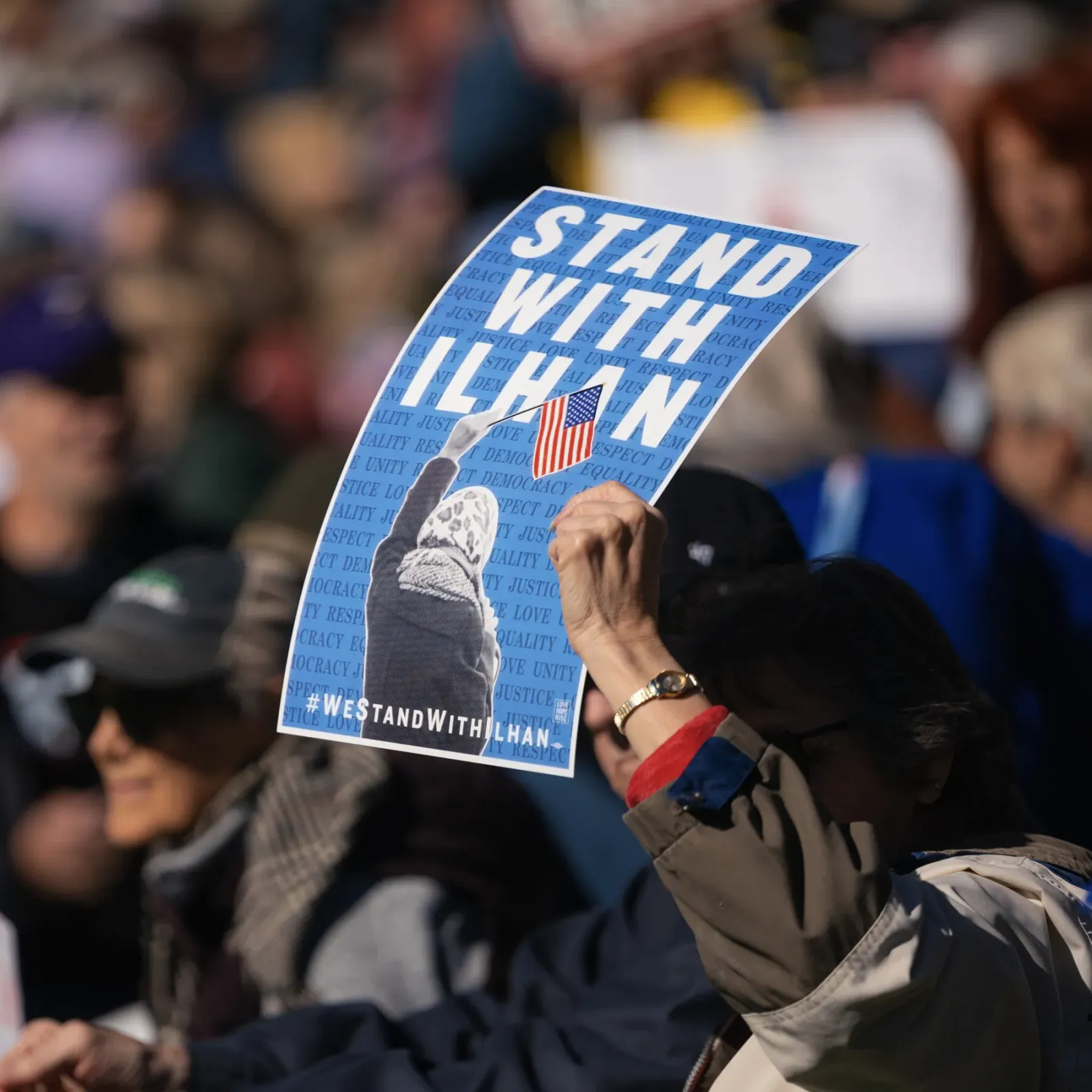
Obama Defends Ilhan Omar After Agents Search Her Home in Trump Inquiry
The former president's intervention raises the stakes in a federal probe into immigration paperwork that has put a prominent progressive lawmaker in the crosshairs.

Blair-era minister: cut welfare to fund youth job support
Alan Milburn's call for welfare cuts to fund employment support opens a Labour fight over benefits and the Neet crisis.
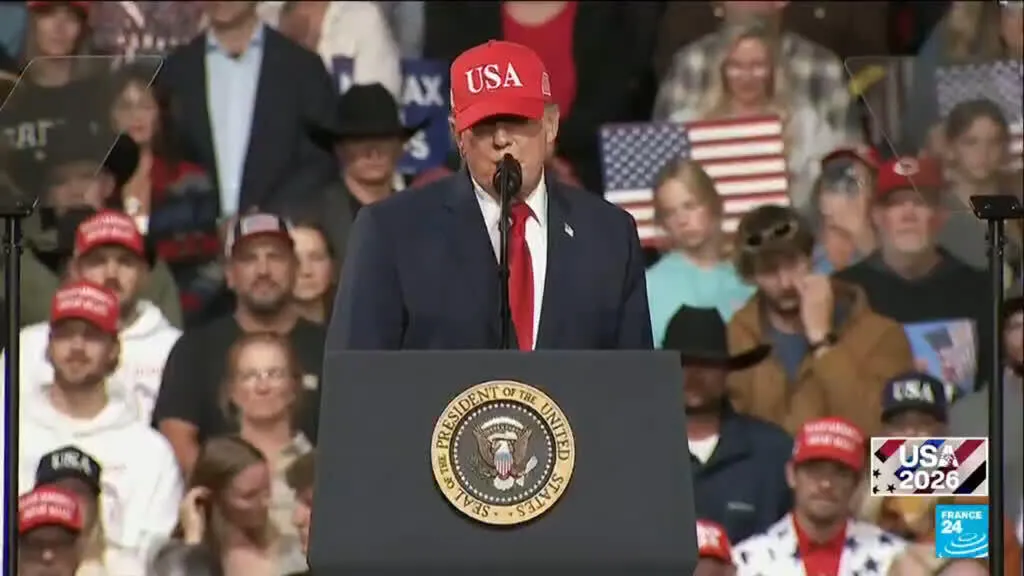
Hot September CPI: energy costs surge, voters feel the squeeze before midterms
The latest inflation print lands as Trump campaigns for GOP control of Congress, putting cost-of-living worries at the center of the midterm fight.