
Olympus pitches robot-assisted endoscopy as it pushes past 1,000-case proof of concept
The company says a robot-assisted approach can make procedures more consistent, and it’s betting on adoption to change the workflow.
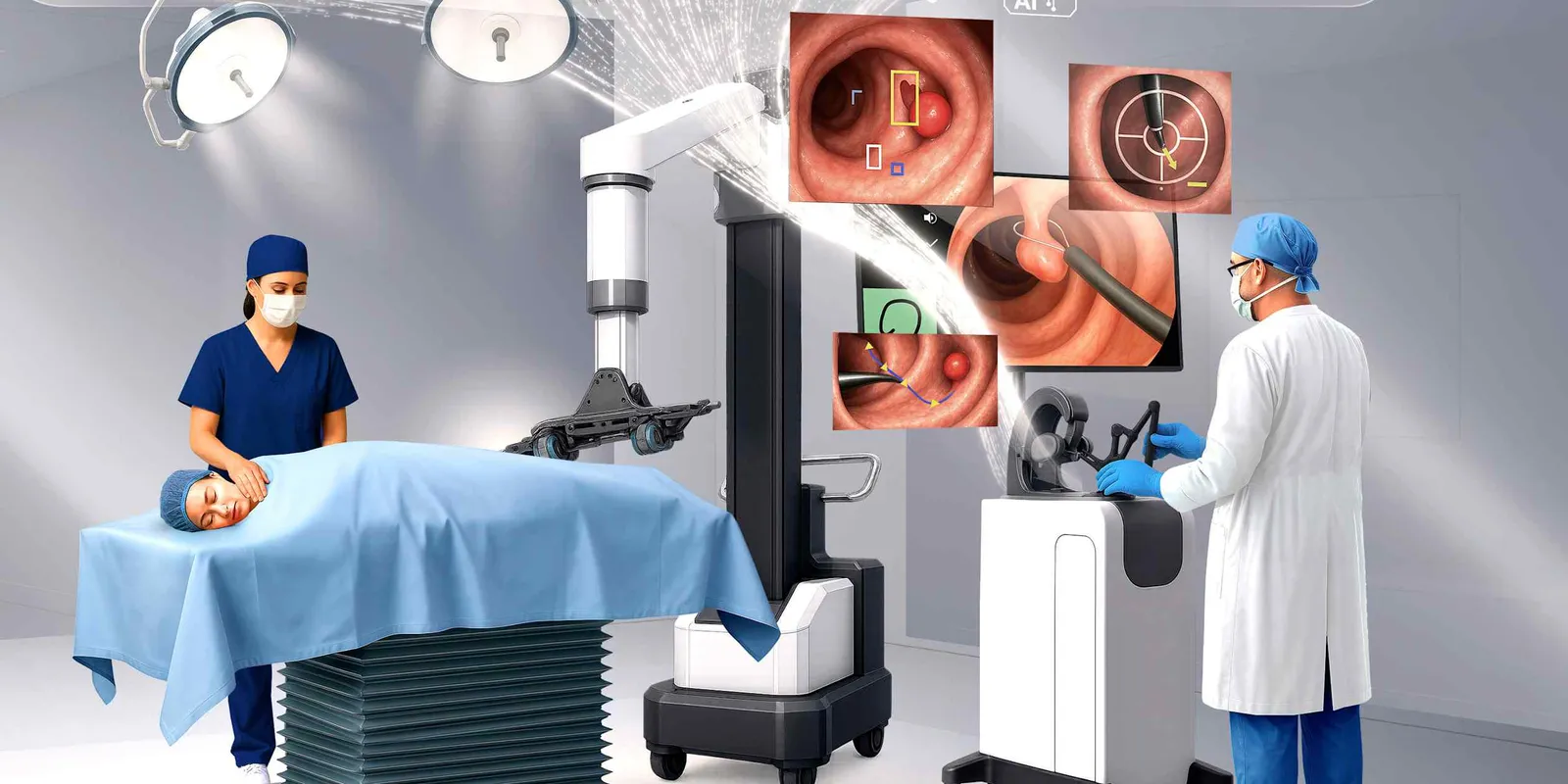
Olympus is envisioning a robot-assisted future for endoscopy, aiming to improve how endoscopic procedures are performed. For decision-makers, that sets up a race to validate safety, workflow fit, and reimbursement-ready value in a heavily regulated clinical space.
Olympus is betting that endoscopy does not have to stay a purely human, manually guided procedure. In a vision article, the company describes a robot-assisted future for endoscopy, framed around improving consistency and reducing variability in how exams are carried out.
The key signal is that Olympus is not staying in the “someday” category. The approach is built on a robot-assisted endoscopy concept that has been demonstrated through a large body of clinical-style evaluation, with the article pointing to more than 1,000 cases as a proof-point that the system can be used in practice, not just a lab demo. For executives in medtech and adjacent hospital procurement roles, that matters because “works in the lab” is usually where projects die. Crossing into high-volume demonstration changes the conversation to implementation: training, reliability, integration with existing equipment, and how clinicians actually incorporate the tool into their routine.
To understand why Olympus is pushing this now, you have to zoom out to what endoscopy already represents in global healthcare. Endoscopy is a workhorse for diagnosing and screening conditions, especially in gastroenterology, and it often has to balance precision with throughput. In practice, the quality of an exam can vary based on factors like operator experience, patient anatomy, and the specifics of the procedure. Robotics is attractive because it can shift parts of the work from “skill and steadiness” toward “repeatable motion and standardized capture,” at least in theory. Olympus is effectively pitching a pathway to reduce variability, which is the holy grail for clinical devices that need to be trusted across sites and clinicians.
This also lands in a sector where regulation and evidence requirements are the real gatekeepers, not marketing decks. Robot-assisted medical tools face a stricter scrutiny loop because they implicate safety across software behavior, mechanical motion, imaging capture, and usability in time-sensitive settings. Even if the mechanical concept is sound, adoption depends on regulators being comfortable with how risk is managed. That means developers need to show more than performance. They need to demonstrate robust reliability, human factors, and safeguards that keep the system predictable under real-world conditions.
Olympus positioning matters for another reason: the decision is not just clinical, it is operational and financial. Hospitals do not buy robotics because it is futuristic. They buy it because it fits workflow, reduces costs where possible, and improves measurable outcomes that justify capital expenses. Robot-assisted endoscopy shifts procurement questions into a new category. Executives will have to assess training time, device uptime, maintenance, and whether robotics meaningfully changes procedure time or accuracy. There is also the practical question of compatibility with existing endoscopy towers and how quickly the workflow can be scaled beyond early adopters.
From a competitive standpoint, a robot-assisted endoscopy vision pressures peers to accelerate their own programs. Even if Olympus is not claiming immediate universal replacement of traditional endoscopy, it is changing the baseline expectation for what “next generation” should look like. When a large, established player like Olympus publicly lays out a robot-assisted roadmap and pairs it with large-scale case evidence, it can pull the whole category toward robotics as the direction of travel. That can influence partner behavior too. Suppliers, clinical networks, and evaluation sites may be more willing to test robot-assisted systems if a credible incumbent is pushing toward deployment.
For decision-makers, the strategic takeaway is straightforward: robotics in endoscopy is no longer a niche experiment. Olympus is signaling that robot-assisted systems have reached the stage where executives must start planning for validation, integration, and long-term evidence generation. The organizations that move fastest will not just be those with the best engineering, they will be those that can translate clinical promise into operational reality while satisfying regulators. In a regulated market where procurement is slow and trust is everything, the next competitive advantage may come from who can make “robot-assisted” feel routine, safe, and worth the cost at scale.
This story's Key Insights and Take-aways are locked.
Create a free account to unlock Executive Actions for one credit.
Register to UnlockAlways free for Executives Club members. Join the Club
More in Business

Uber buys Delivery Hero for nearly $15B, vaulting to top food delivery outside China
The deal doubles Uber's dual-services footprint and pushes a ride-and-eats bundling play into 50 more markets.

Epic and Google drop settlement bid, forcing rival Android app stores by July 22
Google told the court it is ready to carry third-party app stores starting Wednesday, July 22.
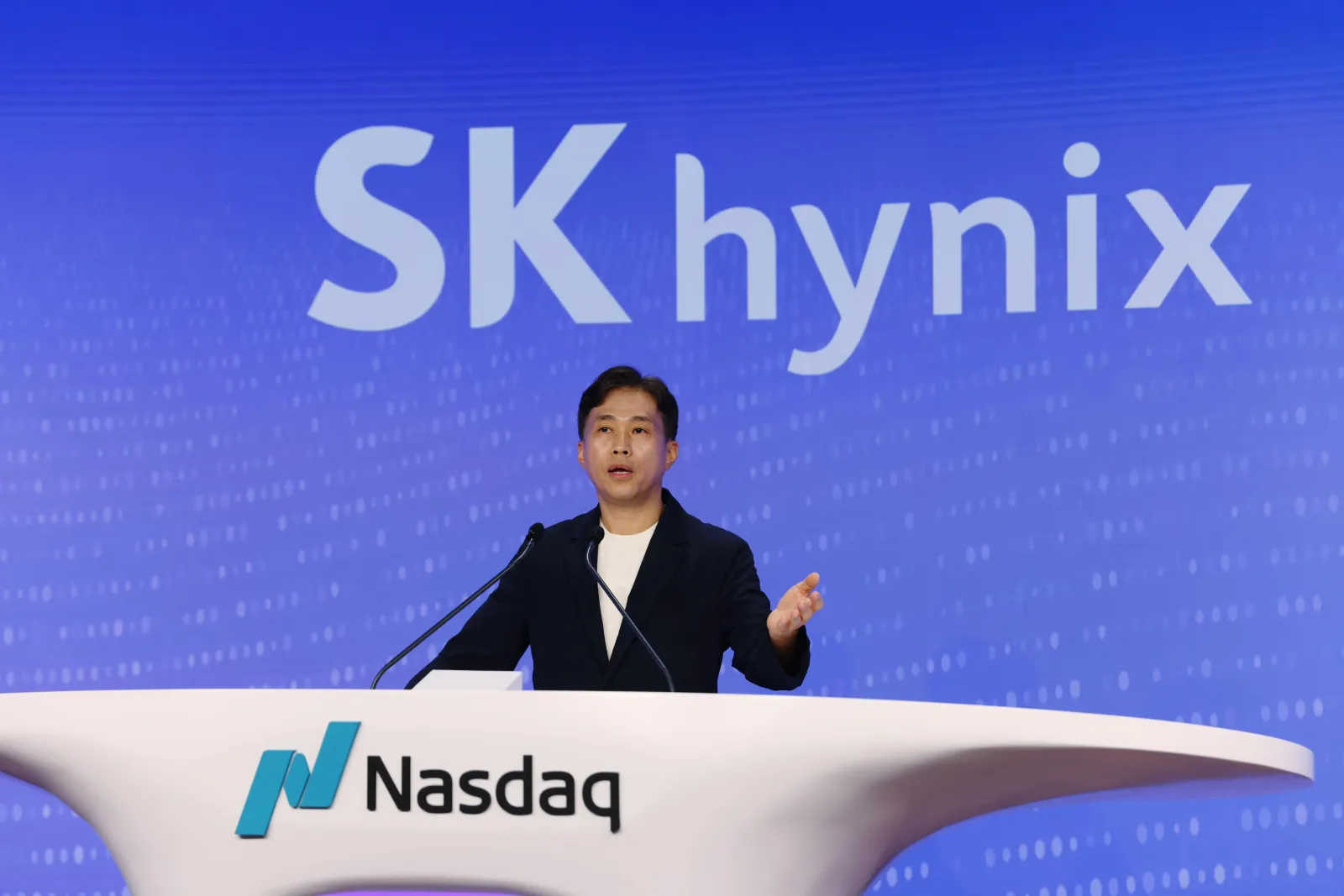
SK Hynix opens at $170, raises $26.5B, and tops foreign IPO records
In Friday's Wall Street debut, SK Hynix turns AI RAM demand into a $26.5B fundraising moment that rewrites comps.