
Only 25% of US F-35s were fully mission-capable in 2025, GAO says
A GAO watchdog report ties the slide to maintenance and spare-parts problems, despite a $13.7B readiness plan.
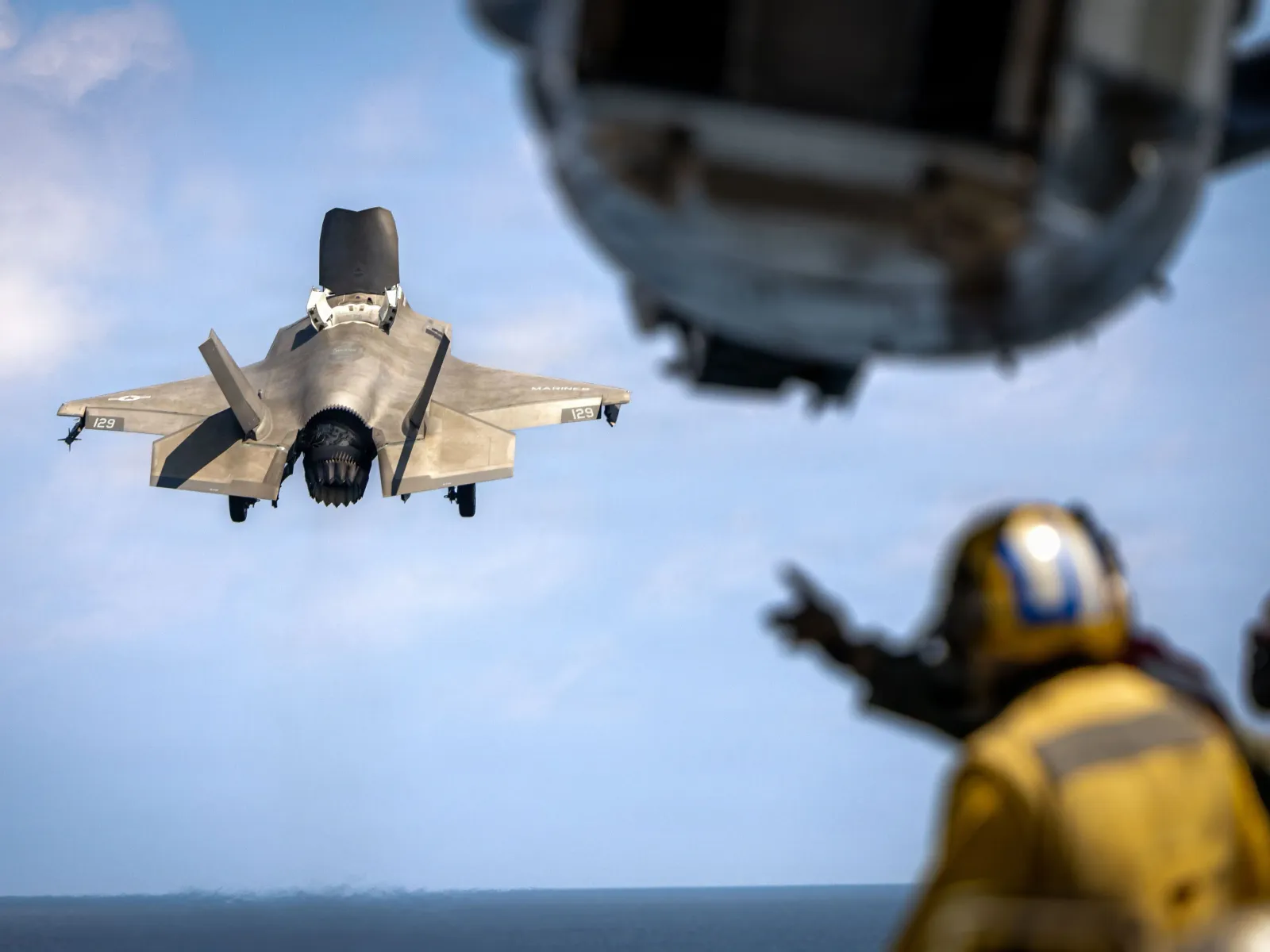
The GAO reported that only one in four US F-35 fighters was fully mission-capable last year, with the full mission-capable rate falling from 38% to 25% between fiscal years 2021 and 2025. The finding puts pressure on decision-makers funding the Pentagon’s $13.7 billion readiness effort and managing contractor incentives.
Only one in four US F-35 fighters was fully mission-capable last year, and the GAO has the receipts. In the watchdog’s latest report, the full mission-capable rate dropped from 38% to 25% between fiscal years 2021 and 2025. Put plainly: a quarter of the fleet had enough readiness to perform all its missions, not just some.
And it gets worse before it improves. The GAO also found the advanced aircraft’s mission-capable rate fell from 67% to 44% over the same period, meaning fewer jets were available to perform one mission at all. Maintenance and spare-parts issues are the culprits, leaving too many F-35s grounded for extended periods even as the program keeps spending.
The F-35 is the Pentagon’s most expensive weapons program. Total acquisition and sustainment costs are now projected to exceed $2 trillion, and that scale is exactly why readiness trends are a board-level issue, not a technical afterthought. When readiness slips for years, the program is not just losing flight hours. It risks compressing operational flexibility across the Air Force, Marine Corps, and Navy, each of which relies on a slightly different variant for different missions.
In this case, the GAO’s diagnosis is specific enough to matter. The report cites spare-parts shortages and software issues as drivers behind the decline. Those maintenance challenges translate into grounded aircraft, and grounded aircraft translate into fewer opportunities to train, integrate, and respond. The Pentagon has spent billions on readiness improvement, but the watchdog’s message is blunt: the effort has not yet produced the desired results.
So what is being done about it? The Pentagon launched a $13.7 billion readiness plan last year, aiming to improve fleet availability by the end of the decade. But GAO warns the plan may require more money than anticipated, and that success is not guaranteed. The watchdog flags severe risks that could block improvement, including heavy reliance on contractors for support, capacity constraints for parts, and cost gaps in keeping the F-35 running over its life-cycle.
This is where incentives move from contract language to operational reality. The US has been paying fees to contractors to help incentivize fixing these issues. Yet the GAO cautions that until the Department of Defense’s plan can ensure incentives translate into better performance goals, it “risks rewarding contractor performance that does not help meet program goals.” In other words: paying for activity can accidentally substitute for paying for outcomes, especially when parts, systems, and software dependencies throttle what can be fixed and how fast.
The F-35 program’s complexity makes that risk more than theoretical. The US military operates three versions of the F-35: the Air Force’s F-35A for conventional runways, the Marine Corps’ F-35B capable of shorter runway operations and vertical landings, and the Navy’s F-35C built for aircraft carriers. The aircraft is designed for a wide set of missions, including air-to-air combat, ground attack, surveillance, and electronic warfare. Defense officials have pointed to its growing importance, including as a stealth system for penetrating hostile and denied airspace and as a “quarterback” for combat assets by leveraging its advanced sensor suite to direct action. When readiness dips, those mission roles do not just get less effective. They get harder to deliver at scale.
GAO also tied the urgency to what comes next. The eventual retirement of the A-10 Thunderbolt II attack aircraft could demand more from the F-35, potentially requiring the fighter to take over close-air support missions, including the “Sandy” role of protecting combat search-and-rescue missions. That kind of shift raises the stakes for readiness now, not later. Even if leaders expect the F-35 to absorb additional responsibilities, GAO’s trend line says the current baseline availability is eroding.
To address the risks, the GAO issued three recommendations: DoD should ensure risk mitigation plans are developed; incentives for contractors should better align with goals for the aircraft; and the Pentagon should track those incentives more rigorously. The F-35 Joint Program Office said it agreed with the GAO’s findings and told Business Insider, “We fully support all three recommendations to enhance fleet readiness, improve contract incentive structures, and implement rigorous financial quality controls.” For executives and boards watching defense modernization, the strategic implication is clear: in a $2 trillion program, readiness is the product, and incentives are part of the engineering.
If you run a complex, long-duration program, the F-35 story is a warning label. When maintenance bottlenecks, spare-parts capacity, and software constraints intersect with contractor-heavy execution, the fastest way to lose mission outcomes is to confuse “spending” with “fixing.” The GAO’s numbers make that confusion expensive, because only a quarter of the fleet can fully execute all missions when the system most needs to deliver.
This story's Key Insights and Take-aways are locked.
Create a free account to unlock Executive Actions for one credit.
Register to UnlockAlways free for Executives Club members. Join the Club
More in Business

SpaceX vaults past Amazon in 3 days, briefly topples Microsoft, and enrages some bulls
Market cap, Musk wealth, and retail mechanics collide with acquisition-driven AI spend and looming investor scrutiny.

SpaceX buys Cursor for $60B, turning vibe coding into a capital-race overnight
Lovable, Replit, and others are raising billions as Big Tech both bets on and panics about AI-built software.

Gina Rinehart backs SpaceX with a $1B+ stake after its $2.5T debut valuation
The Aussie mining billionaire just put Hancock Prospecting behind Musk's rocket-and-satellite combo, and markets noticed.