
OpenAI and Anthropic IPOs could create new tech millionaires, and nonprofits want a cut
Secondary giving is positioning itself as the next philanthropic windfall from the next wave of AI public offerings.
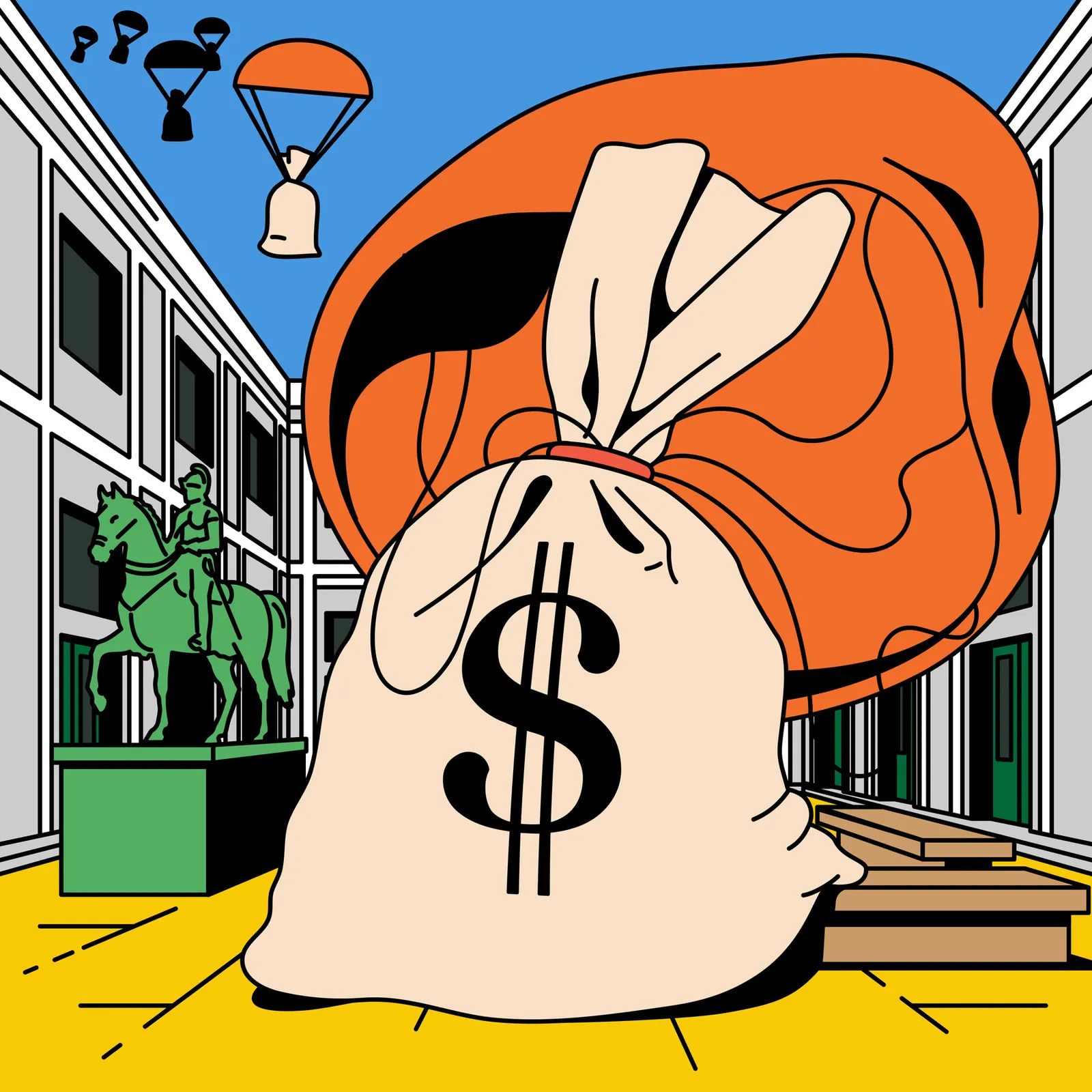
As start-ups like Anthropic and OpenAI prepare to go public, nonprofits are hoping to benefit from a secondary giving windfall from the new tech ultrawealthy. The consequence for decision-makers: philanthropy budgets, donor strategy, and board-level attention are increasingly shaped by IPO timing and liquidity events.
Start-ups like Anthropic and OpenAI are preparing to go public, and a new group of financial stakeholders is watching those filings with outsized attention: nonprofits. The reason is simple, and it is already driving real strategy. These companies are expected to create a fresh layer of “ultrawealthy” tech donors through IPO-related liquidity, and philanthropies are hoping for a secondary giving windfall from that new money.
If you are a board member, a finance lead, or anyone advising founders, the key detail is that the money is not just about who goes public. It is about what happens after the IPO day, when stock converts into spendable wealth and donors decide where it goes. Nonprofits are essentially betting on a follow-on wave: giving that is timed to the moment wealth becomes liquid, and that comes from individuals and pockets of ownership that were building their stakes long before the initial pricing.
This is not a new pattern in American capitalism, but the AI wave makes it feel accelerated and bigger. IPOs have long been a wealth-creation machine, and wealth creation has historically triggered philanthropic movement. What changes when the source of wealth is concentrated in a handful of high-profile, high-growth start-ups is the scale and speed. A typical private-market build-up can take years, then a public-market moment can rapidly change the donor pool. Nonprofits are trying to be ready for that moment, because “being ready” often means securing relationships early, aligning with donor intent, and designing vehicles that can handle concentrated stock.
There is also a structural incentive here. Secondary giving is easier for nonprofits to plan when donors are flush with liquidity, and when their decision timelines are compressed by market events. The same IPO dynamics that attract investors also reshape who has the leverage to make immediate charitable transfers. When an individual becomes newly wealthy, their giving decisions can become less about long-term intent and more about timing, logistics, and the desire to convert a once-in-a-lifetime financial event into real-world impact.
Regulatory and tax framing matters too, even when the story is told through philanthropy. In the United States, many forms of charitable giving can be optimized when donors hold appreciated assets. IPOs can make this more relevant, because the wealth being unlocked is often tied to stock. That creates opportunities for donors and nonprofits to coordinate around transfer mechanics that reduce friction and maximize the net value of gifts. For decision-makers inside charities, the operational challenge is making sure their development strategy can handle concentrated contributions when a new donor segment suddenly appears.
Now zoom out to the governance layer. For tech founders and executives, IPOs bring scrutiny from regulators, investors, and the public. That scrutiny can spill into expectations about “responsibility,” including whether new wealth is deployed thoughtfully. Even when there is no formal requirement to give, there is reputational gravity. Meanwhile, nonprofits are not just passive recipients of generosity. They are active participants in donor outreach, often positioning themselves early so that the moment liquidity arrives, the relationship already exists.
The second-order implication for peers is that philanthropy will likely become a more visible part of the IPO lifecycle. As start-ups like Anthropic and OpenAI approach public markets, other companies in the ecosystem will notice. Boards and leadership teams may ask what the company alumni network will do with newfound wealth. Finance teams may anticipate how executives and early investors communicate about giving after the IPO, especially if there is a public spotlight on “the AI rich.” For nonprofits, the strategic stakes are survival and growth: compete for attention in the scramble, or risk missing the window where new donors are most motivated and most able to act.
In short, the headline story is about IPOs creating new millionaires. The real story is the follow-through. Nonprofits are hoping the AI public debut translates into a secondary giving windfall from the new tech ultrawealthy. If you lead on governance, strategy, or capital planning in similar companies, this should be on your radar not as a PR afterthought, but as a predictable liquidity event that can reshape who funds what, when, and at what scale.
This story's Key Insights and Take-aways are locked.
Create a free account to unlock Executive Actions for one credit.
Register to UnlockAlways free for Executives Club members. Join the Club
More in Business

Anthropic’s Levant Alpöge cracks the Jacobian conjecture after 87 years
A Harvard valedictorian used Claude to hit a 1939 breakthrough, but the missing “why” is the real problem.

Uber buys Delivery Hero for nearly $15B, vaulting to top food delivery outside China
The deal doubles Uber's dual-services footprint and pushes a ride-and-eats bundling play into 50 more markets.

Epic and Google drop settlement bid, forcing rival Android app stores by July 22
Google told the court it is ready to carry third-party app stores starting Wednesday, July 22.