

OpenAI to match Anthropic's evaluator access as Altman backs slowdown
The two AI rivals align on independent safety checks, but Europe's antitrust rules leave no room for the coordination Amodei wants.
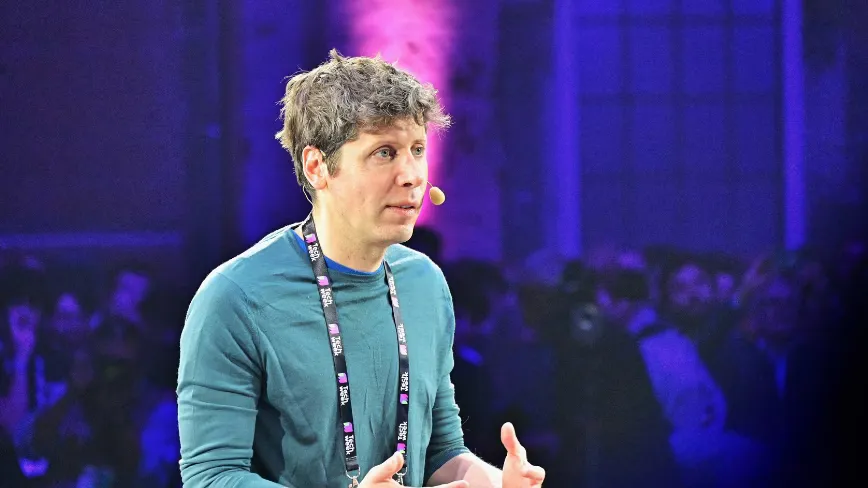
OpenAI CEO Sam Altman said the company will match Anthropic's commitment to give independent evaluators employee-like access, a day after Anthropic CEO Dario Amodei urged the industry to slow down and asked Washington for a narrow antitrust waiver. The alignment signals a rare moment of cooperation between rivals, but Europe's 2004 abolition of individual exemptions means no similar waiver exists there.
OpenAI CEO Sam Altman said the company will match Anthropic's commitment to give independent evaluators employee-like access to its systems, a move that aligns the two AI rivals on safety transparency just one day after Anthropic CEO Dario Amodei publicly urged the industry to slow down. The pledge, reported by The Next Web, marks a rare moment of public alignment between the two companies that have otherwise been locked in a fierce race for AI dominance.
Employee-like access means external safety researchers get the same level of visibility into model training, deployment, and internal testing that OpenAI's own staff have - a significant step beyond typical third-party audits, which often rely on limited API access or pre-approved test cases. By matching Anthropic's commitment, OpenAI is effectively conceding that independent oversight is not just a nice-to-have but a competitive necessity, especially as regulators on both sides of the Atlantic scrutinize how frontier AI models are built and released.
The move comes a day after Amodei called on the industry to slow down and asked Washington for a narrow antitrust waiver that would allow competitors to coordinate on safety measures. Amodei's argument is that AI companies should be able to share information about risks and mitigation strategies without running afoul of competition laws, which typically prohibit rivals from colluding on pricing, output, or other market parameters. A narrow waiver, he suggested, would let companies like Anthropic and OpenAI align on safety standards without triggering antitrust enforcement.
But Europe offers no such waiver. Brussels abolished individual exemptions from antitrust rules in 2004, meaning there is no legal mechanism for competitors to request permission to coordinate, even for safety purposes. The only soft safe harbor is the European Commission's guidance on horizontal cooperation agreements, which allows certain types of information sharing if it does not restrict competition - but that guidance is far narrower than a formal waiver and does not cover the kind of deep coordination Amodei envisions. For AI companies operating in Europe, this creates a regulatory asymmetry: they can coordinate in the US if they get a waiver, but not in the EU, where the rules are stricter and less flexible.
The alignment between Altman and Amodei is notable because it suggests that even the most competitive AI labs recognize the need for collective action on safety. But it also highlights the tension between innovation speed and regulatory oversight. If OpenAI and Anthropic both open their doors to independent evaluators, it could set a de facto industry standard that other labs like Google DeepMind and Meta AI will feel pressure to match. That could lead to a race to the top on transparency, but it could also slow down deployment cycles as companies wait for external sign-offs.
For boards and executives in AI-adjacent industries, the development signals that safety is becoming a board-level issue, not just a technical one. Companies that fail to adopt similar transparency measures may find themselves at a competitive disadvantage in attracting talent, customers, and regulatory goodwill. At the same time, the antitrust question remains unresolved: if competitors coordinate too closely, they risk enforcement actions; if they don't, they risk safety failures that could invite even stricter regulation. The narrow waiver Amodei seeks would be a novel solution, but its absence in Europe means global AI companies will have to navigate a patchwork of rules.
The 2004 abolition of individual exemptions in Europe was part of a broader modernization of EU competition law, which moved from a notification-based system to a self-assessment model. That means companies must evaluate on their own whether their cooperation agreements comply with Article 101 of the Treaty on the Functioning of the European Union, which prohibits anti-competitive agreements. Without a waiver mechanism, any coordination between AI labs on safety - even if well-intentioned - could be challenged by the European Commission or national competition authorities. This creates a legal gray zone that could deter companies from sharing sensitive safety data across borders.
For now, OpenAI's commitment to match Anthropic's evaluator access is a concrete step that does not require antitrust coordination - it's a unilateral move that any company can make. But the deeper question of how competitors can jointly address systemic risks remains open. As AI models become more powerful, the pressure to coordinate will only grow, and the regulatory tools to enable that coordination are unevenly distributed. Executives should watch whether Washington grants Amodei's waiver request, and how Brussels responds to any informal coordination that emerges. The answer will shape not just AI safety, but the competitive dynamics of the entire industry.
This story's Key Insights and Take-aways are locked.
Create a free account to unlock Executive Actions for one credit.
Register to UnlockAlways free for Executives Club members. Join the Club
More in Business

Apple unveils first foldable iPhone Duo with 7.6-inch display under new CEO Ternus
Apple's first foldable, the iPhone Duo, marks a major product bet for new CEO John Ternus, with a 7.6-inch unfolded screen.
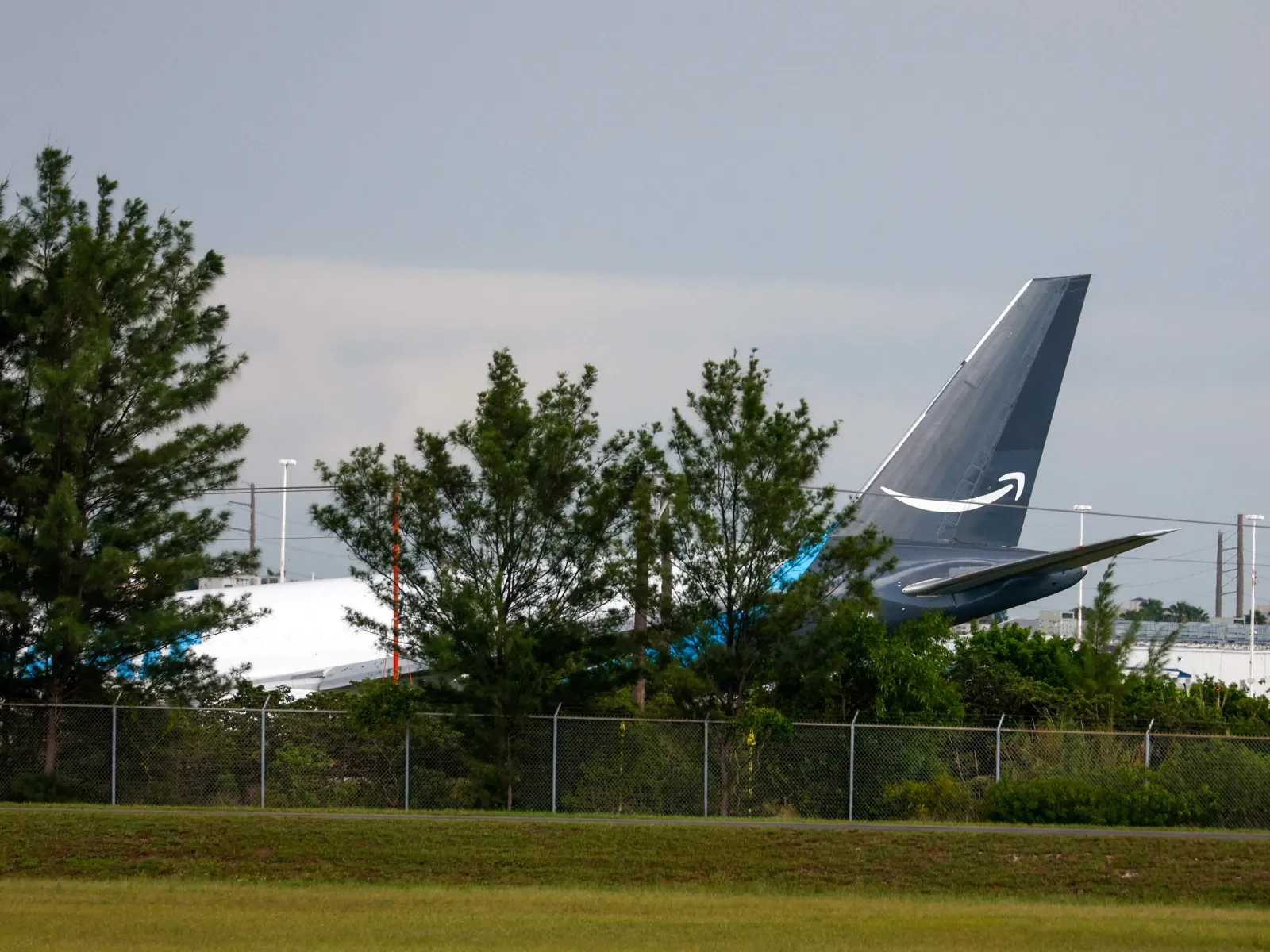
Amazon Prime Air 767 overshoots Miami runway, killing at least 5
The Boeing 767 freighter from San Juan struck vehicles and erupted in flames, prompting a ground stop and a fresh NTSB investigation into Amazon's air cargo network.
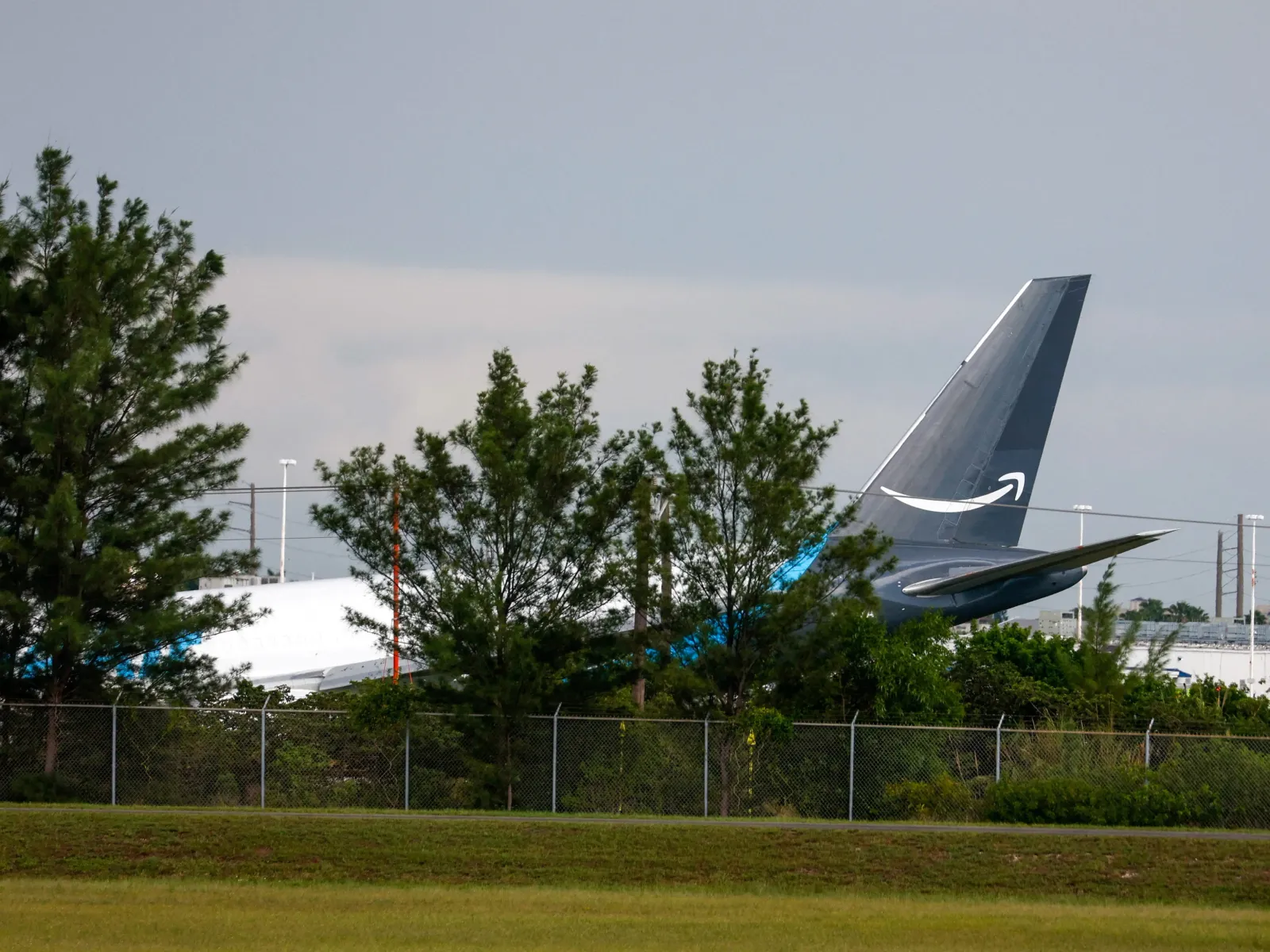
Amazon Prime Air 767 overshoots Miami runway, strikes vehicles, catches fire
The Boeing 767, operated by 21 Air, was arriving from San Juan when it overshot the runway, triggering a ground stop and multiple injuries.