
OpenAI weighs drastic AI price cuts to win back users from Anthropic
WSJ says OpenAI is considering major model price reductions to lure consumers away from Anthropic.
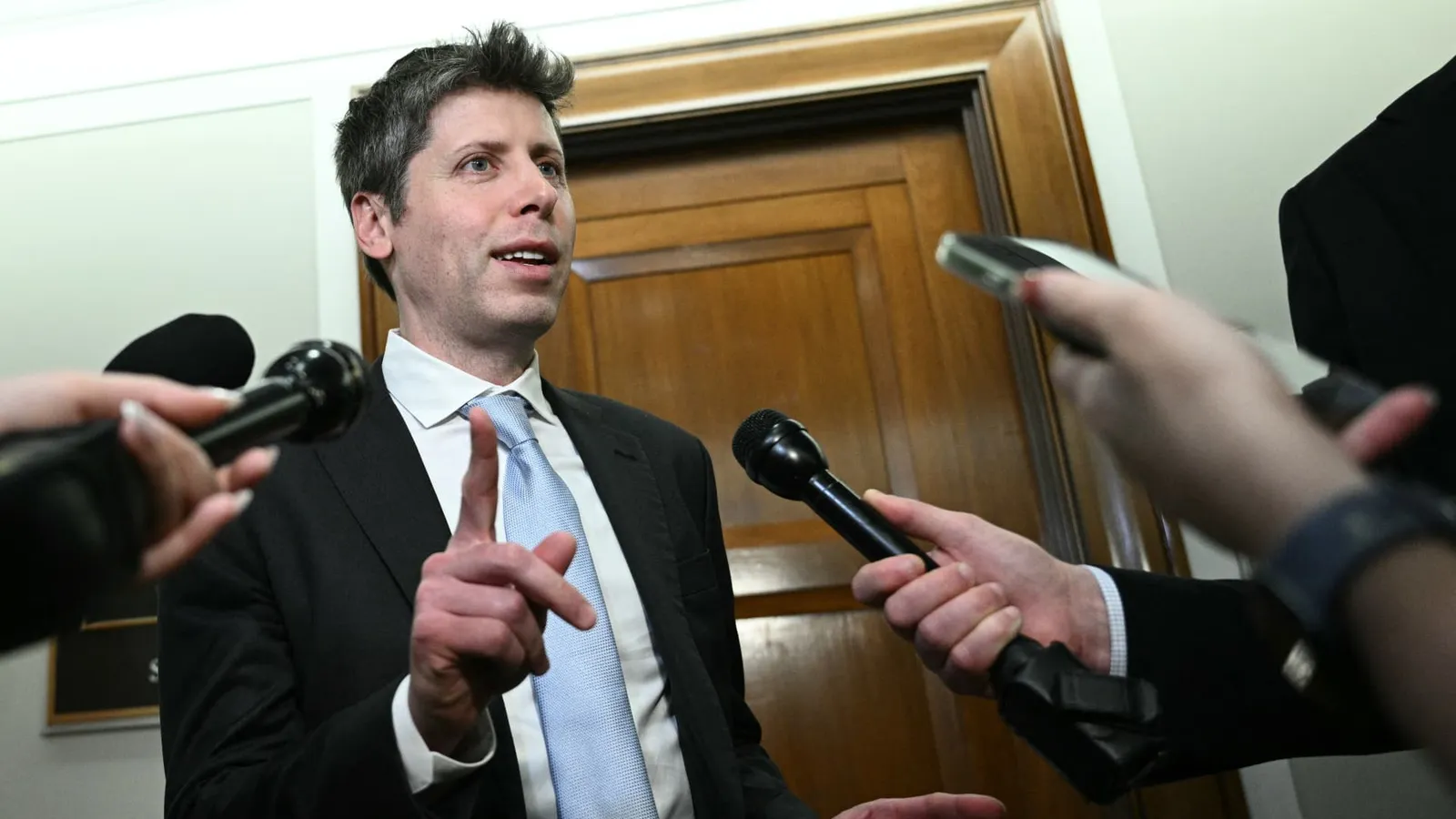
OpenAI is reportedly mulling drastic price cuts to its AI models, according to the WSJ, as it tries to attract users from rival Anthropic. For decision-makers, the move signals that pricing is becoming a direct battlefield for AI adoption, not just a marketing line.
OpenAI is reportedly considering drastic price cuts to its AI models, as it competes for users against Anthropic, the WSJ reported on Wednesday. In plain English: the company that helped popularize consumer AI may be preparing to make the product cheaper to keep it the default choice.
The immediate takeaway for anyone tracking AI business models is that this is not just a technical competition. It is a monetization fight. If OpenAI does slash prices, it would change how consumers, developers, and enterprises evaluate which assistant or API to use, because cost is often the difference between “try it” and “use it every day.” And doing this specifically while competing with Anthropic underscores that the competition is about more than features. It is about who gets the user, and at what price point.
To understand why pricing is showing up so quickly as a strategic lever, it helps to zoom out on what the market is actually doing. AI tools are moving from curiosity to utility. Once something becomes a daily workflow, users start asking practical questions: How much does it cost to use? What is the cost per request or per project? Does it get cheaper, or does it surprise you with a bill? In that world, pricing pressure can accelerate adoption, but it can also force the industry into a race to the bottom unless companies can offset margin hits through scale, improved efficiency, or new revenue streams.
That leads to the central tension boards and executives worry about: lowering prices can boost demand, but it can also compress margins and intensify the capital intensity of running large models. Even if the WSJ report only says OpenAI is “mulling” price cuts, the strategic implication is big. AI providers are competing on a bundle of economics: infrastructure costs, model performance, and how consumption grows once pricing becomes friendlier.
This is also a moment where competitive positioning matters. Anthropic is described in the report as a rival for users, which implies OpenAI is trying to pull consumers toward itself rather than waiting for time to do the work. In competitive terms, “woo consumers” is a direct phrase for the incentive structure: OpenAI is treating consumer adoption as something you can buy with pricing, at least partially, and it is acting on the idea that Anthropic is already capturing some of that adoption.
There is another layer that decision-makers should not ignore: regulatory and scrutiny dynamics. Even when regulators are not directly targeting pricing, they often pay attention to consumer impact, market power, and whether dominant platforms are engaging in practices that distort competition. If a major provider cuts prices sharply, it can be framed as expanded access, which is generally positive, but it can also raise questions about competitive pressure and sustainability. The details would matter, but the direction signals that the industry is evolving toward consumer-scale competition.
Meanwhile, capital allocation and forecasting get harder when pricing changes are on the table. CFOs and finance teams typically build budgets around unit economics, expected usage, and churn or retention assumptions. A “drastic” price reduction would force a rapid re-evaluation of projections, including how demand responds, how much additional usage offsets lower per-unit revenue, and whether the company can maintain performance without sacrificing costly capabilities. Even competitors would likely need to model scenarios quickly: if OpenAI lowers prices, Anthropic might adjust, and other providers could follow, turning one company’s pricing experiment into an industry-wide recalibration.
This story's Key Insights and Take-aways are locked.
Create a free account to unlock Executive Actions for one credit.
Register to UnlockAlways free for Executives Club members. Join the Club
More in Technology

OpenAI says 10,000 agents cracked a 90-year math problem in 88 hours
The company's claim is audacious, but one mathematician is pushing back. Here's what it means for AI-driven discovery.

Meta still serves child sexual abuse ads on Instagram in India - BBC report
A new report following the BBC Eye investigation says the ads are still there - what it signals for every platform with a self-serve ad engine.
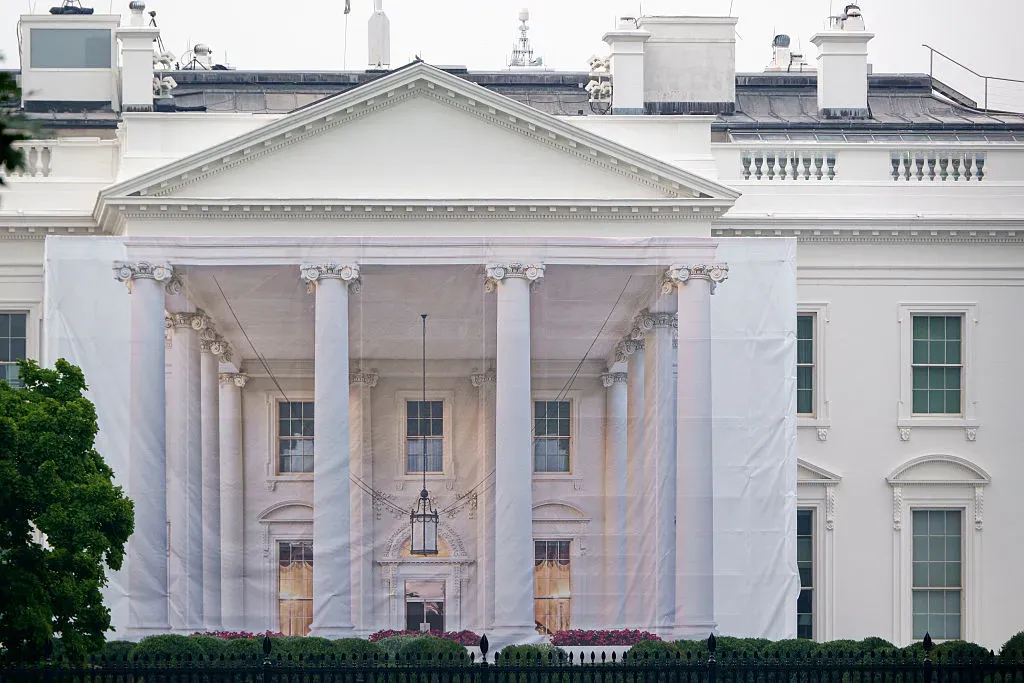
White House yanks 'Build the Wall' game after Tetris Company copyright warning
The administration's arcade game vanished in hours - and the takedown playbook every brand can learn from.