
Satya Nadella warns Microsoft employees: tokenmaxxing must stop being the goal
At The New York Times' Hard Fork, Microsoft’s CEO pushes workers to use the right model, not the biggest one.
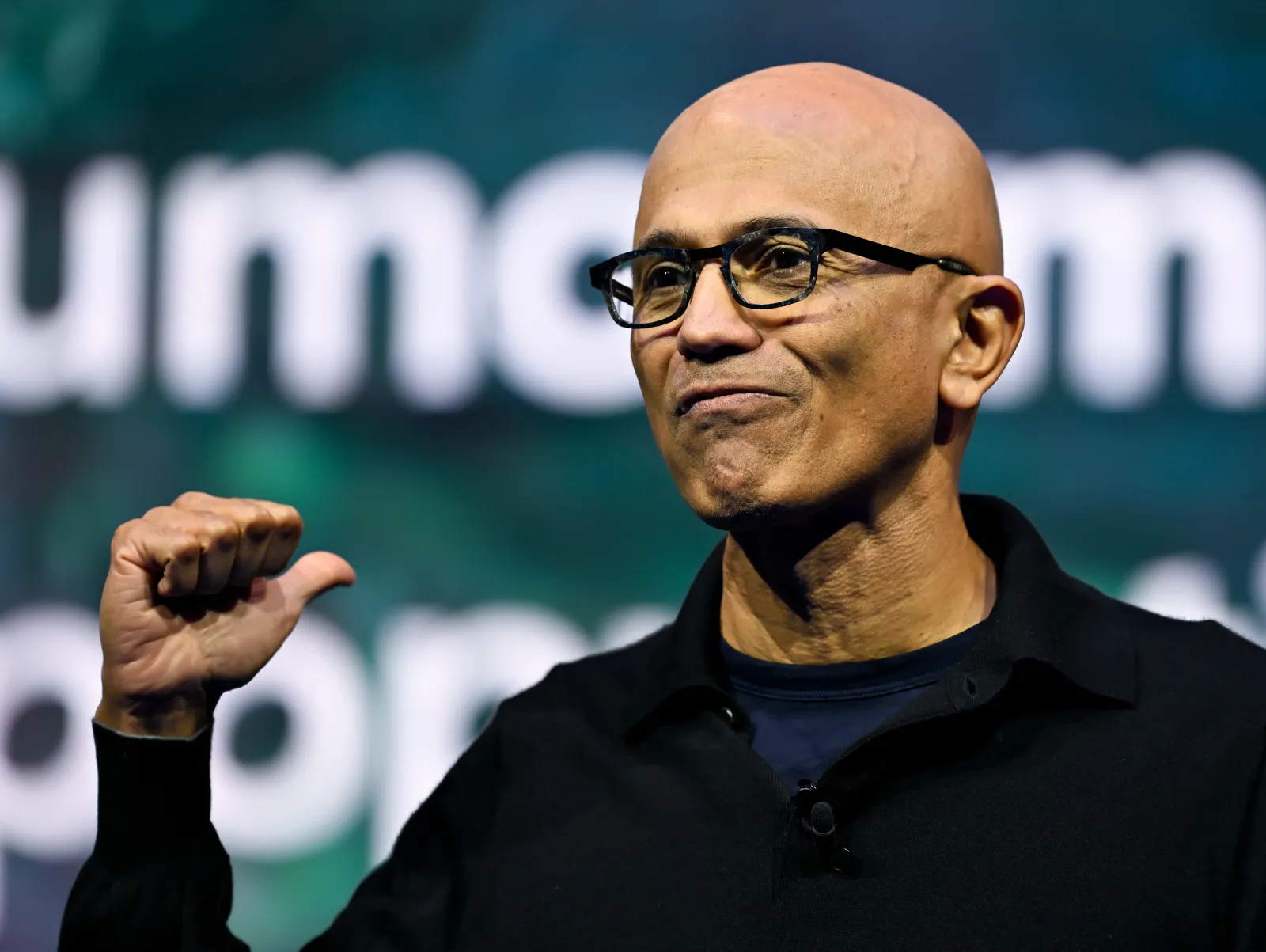
Microsoft CEO Satya Nadella said "a lot" of tokenmaxxing is happening at Microsoft. He urged employees to match the right AI model to the job and described a tool he built to keep code updated from workplace chats.
Satya Nadella is trying to rein in tokenmaxxing at Microsoft, and he did it in the most Nadella way possible: calmly, directly, and with a little tech nerd delight. Speaking on The New York Times podcast Hard Fork, the Microsoft CEO said there is “a lot” of tokenmaxxing happening inside the company, adding, “I’m a tokenmaxxer too, it’s addictive.” The punchline, though, is the part leadership teams will actually care about: tokenmaxxing may feel productive, but it is not the same thing as creating value.
Nadella’s core instruction was simple, and it immediately undercuts the whole “more tokens equals better AI” vibe: workers should use the right AI model for the job. He referenced Microsoft Copilot’s auto mode, which is designed to match tasks with the model most appropriate for them, and he framed it as an economics problem, not a novelty problem. “Let’s kind of match these things such that you get the outputs, you get the economics,” he said, warning that it “can’t be a race to doing things that just don’t add value.”
For executives, this is an unusually clean window into a phenomenon that has taken over many AI deployments. Over the past year, Silicon Valley executives have pushed workers to use AI as much as possible, sometimes through internal leaderboards that track tokens, the units of data processed by AI systems. Tokens are an easy scoreboard. They are measurable. They are comparable across teams. They feel like progress. The problem is that tokenmaxxing is basically optimizing for consumption, not outcomes. Nadella’s comments are essentially the CEO version of telling the lab to stop rewarding students for running experiments and start rewarding them for solving the actual problem.
To be clear, Nadella did not say Microsoft is limiting employees' AI use. That detail matters, because it signals a shift from “cap usage” to “change behavior.” Instead of turning off the tap, he wants the team to drink better. “Don’t use frontier models for non-frontier problems,” Nadella said, using the “frontier model” idea to draw a line between high-end models that belong on hard tasks and smaller or more appropriate models that can do the same work more efficiently. In other words, he’s steering away from a cost-heavy default setting where everything gets escalated to the biggest hammer.
This is also where the real-world stakes show up. When companies push broad AI adoption, costs scale with usage and model choice. Bigger models and more tokens can mean more compute spend, higher latency, and a bigger bills-to-benefits gap if teams are not careful. Nadella’s framing ties directly to the “economics” of getting the output you need at the right price. That matters to decision-makers because AI budgets are rarely isolated. They sit inside operating plans, margin expectations, and shareholder messaging. If a business line is not seeing proportional gains in speed, quality, revenue, or risk reduction, the board starts asking whether the tokens are just generating clouds.
Nadella also added a very specific productivity example, which is the “okay, but what should we do instead?” part of the story. He said he recently “vibe-coded” a tool that updates a software project by following related workplace conversations. If employees discuss a change connected to the project, the AI can create a plan, make the update, and keep the code working without Nadella needing to be in the meeting or thread. That’s a concrete alternative to tokenmaxxing: focus on workflow outcomes like fewer manual updates, fewer broken dependencies, and less coordination overhead.
This fits the broader arc of Nadella’s effort to remake Microsoft for the AI era and compete with smaller, faster rivals. The company’s CEO has been restructuring attention and leadership to move faster. In October, Nadella appointed a new CEO of Microsoft’s commercial business, a move that freed him up to spend more time on technical work. In November, he tapped a new AI advisor to help rethink the company’s business model for the AI era. Put together with today’s remarks, the message reads like an internal mandate: scale AI, but do it with discipline, not just dopamine.
And if you want the human, culture-level clue, it’s in the podcast segment itself. Co-host Kevin Roose presented Nadella with what Roose called “rare merchandise”: a T-shirt that read “Microsoft Advanced AI Research.” Roose said he acquired it from an OpenAI employee who had it made in 2023, when Sam Altman was briefly ousted and Microsoft was preparing to create a new AI lab for OpenAI employees. Altman was reinstated days later, and the lab was never created. Nadella, laughing, accepted the T-shirt. It’s a small moment, but it echoes the theme: AI strategies move fast, sometimes too fast, and institutions have to keep their footing when the novelty fades.
If you’re a CEO, CTO, or board member in a company trying to industrialize AI usage, Nadella’s warning is a reminder that tokenmaxxing is not a strategy. It is a metric. The strategy is outcomes, model fit, and economics. Microsoft may not be “limiting employees' AI use,” but the direction is clear: match the right model to the job, avoid reflexively routing everything to frontier systems, and measure success by value delivered, not tokens burned.
This story's Key Insights and Take-aways are locked.
Create a free account to unlock Executive Actions for one credit.
Register to UnlockAlways free for Executives Club members. Join the Club
More in Technology

OpenAI says 10,000 agents cracked a 90-year math problem in 88 hours
The company's claim is audacious, but one mathematician is pushing back. Here's what it means for AI-driven discovery.
Meta still serves child sexual abuse ads on Instagram in India - BBC report
A new report following the BBC Eye investigation says the ads are still there - what it signals for every platform with a self-serve ad engine.
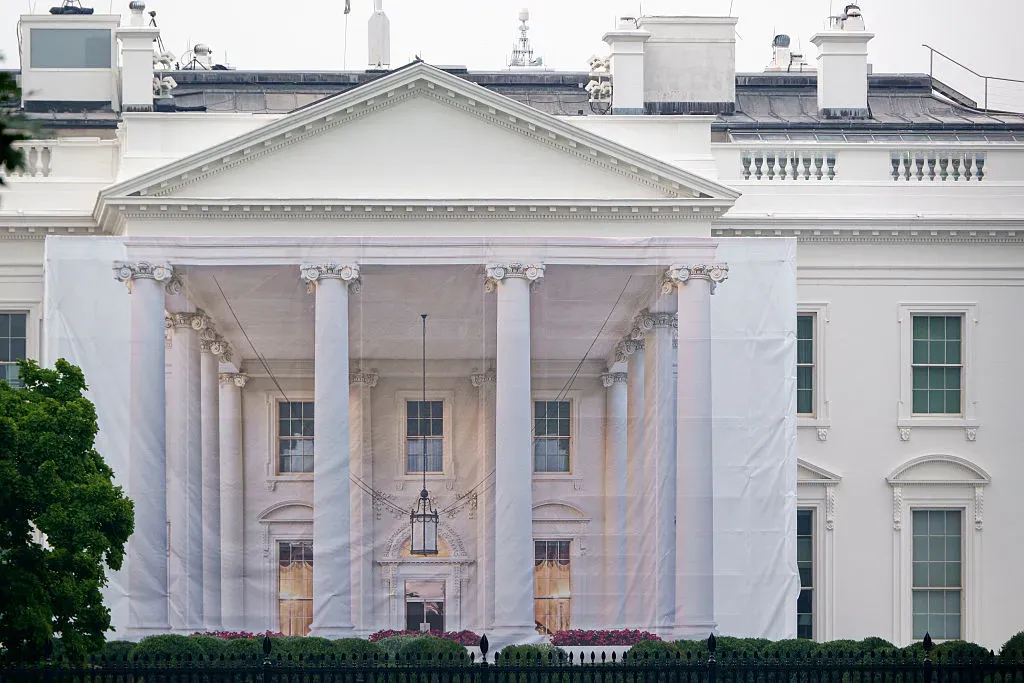
White House yanks 'Build the Wall' game after Tetris Company copyright warning
The administration's arcade game vanished in hours - and the takedown playbook every brand can learn from.