
OpenMandriva calls it sabotage. Davide Beatrici says he “launched a message.”
The repo deletions and obsoleted GNOME and COSMIC packages became a governance fight with technical fallout.

OpenMandriva accused ex-contributor Davide Beatrici of abusing administrative privileges to delete GitHub repositories and publish an empty Cooker package that obsoleted GNOME and COSMIC. Beatrici says the deletions and obsoleting package were a deliberate protest, not sabotage.
OpenMandriva framed the incident as “distribution sabotage.” Davide Beatrici does not. In a response to The Register, the contributor accused by OpenMandriva says he deliberately deleted parts of the project’s GitHub repositories and published a package in the OpenMandriva Cooker development branch that obsoleted GNOME and COSMIC packages, but insists the intent was never to harm the distribution he had contributed to for “the past three years.”
Beatrici acknowledges the core actions that OpenMandriva highlighted: he says he deleted the GNOME and COSMIC repositories from GitHub, removed the corresponding packages from the Cooker development branch, and published a package that obsoleted them. The dispute is not about what changed. It is about why it changed, and what that means for who was in control, when, and with what authority.
OpenMandriva’s original account took a harder line. The project said Beatrici abused administrative privileges to delete parts of the GitHub repositories and to publish an empty package in the Cooker branch that obsoleted GNOME and COSMIC packages. The distro described it as an attempted “distribution sabotage” and said it had considered legal action. For a Linux distribution, these are not academic words. Repo deletion and obsoleting packages can break developer workflows, disrupt downstream users, and turn routine testing cycles into emergency recovery operations.
Beatrici’s counter-narrative tries to reclassify the same technical events as a protest. He says maintainers removed OneDev configuration files from multiple repositories “without consulting him,” which, in his telling, effectively disabled work he was doing on a new build and mirroring infrastructure. He also points to his continued contributions outside the immediate fight, saying he “continued with my tasks kind of ignoring what was going on in the Matrix rooms.” In his explanation, the message was engineered so that repositories and packages could be restored “fairly easily,” and the package he pushed “simply causes the removal of the obsoleted desktop environments.”
The other major fault line is access. OpenMandriva’s statement implied that Beatrici retained administrative privileges after leaving the project. Beatrici rejects that flatly: “That’s absolutely not the case,” he says, adding that he “was never meant to abandon the distribution.” He also denies the “sabotage” framing and repeatedly returns to motivation: he says he was not trying to torch the distro or damage it, because he cared about and contributed to it.
Governance is the subtext here, and it is getting ugly fast. Beatrici also disputes the story around the project’s internal conflict. He says OpenMandriva’s president, Bernhard Rosenkränzer, repeatedly tried to broker a compromise between contributors before relations “collapsed.” Even if you strip out the emotion, this is a classic open source failure mode: when people lose trust, technical permissions become leverage. A build system and a packaging branch are not neutral infrastructure. They reflect power, process, and who gets consulted.
Beatrici goes further into technical and operational concerns. He paints OpenMandriva’s build foundation as outdated and says he spent significant time contributing patches to OneDev and developing a replacement package build pipeline. This matters because in systems like Linux distributions, “who broke what” often turns into “what was fragile already?” If the underlying build and mirroring setup was in transition, then repo and configuration changes can have outsized downstream effects. That is a second-order risk for any distro or platform: even when the immediate incident gets rolled back, the trust and process issues remain, and they tend to show up again the next time permissions or infrastructure shift.
OpenMandriva did not respond to The Register’s questions about Beatrici’s claims or whether the project still stands by its “abuse” characterization, despite requests sent to both the project and Rosenkränzer on Friday. So the technical remediation is only half the story. The other half is institutional: how administrative access is granted, how changes to build infrastructure are coordinated, and how disputes are handled before they reach the point where someone can delete repositories and publish packages that obsoleted entire desktop environments.
For executives and board-level operators watching open source, the takeaway is painfully simple. Infrastructural control is governance control. When permission models, change management, and conflict resolution fail, even well-meaning contributors can turn technical mechanisms into negotiations. And in a world where distributions, developer tooling, and CI pipelines increasingly underpin commercial software delivery, the operational cost of “messages” can spread far beyond a single GitHub account. Someone still had to restore the repos, and the next disruption will likely come with less patience and more scrutiny.
This story's Key Insights and Take-aways are locked.
Create a free account to unlock Executive Actions for one credit.
Register to UnlockAlways free for Executives Club members. Join the Club
More in Politics

LA County: DOJ's 20,000 'noncitizen' voter list is 'unreliable,' includes U.S.-born
Preliminary review by Los Angeles County election officials finds errors in the federal list, raising the stakes for voter roll integrity ahead of November.

Trump's $1.5B Pentagon chip investment lands in North Carolina
A $1.5 billion defense infusion for North Carolina chipmaking signals a new era of Pentagon-backed reshoring - here's what it means for the industry.
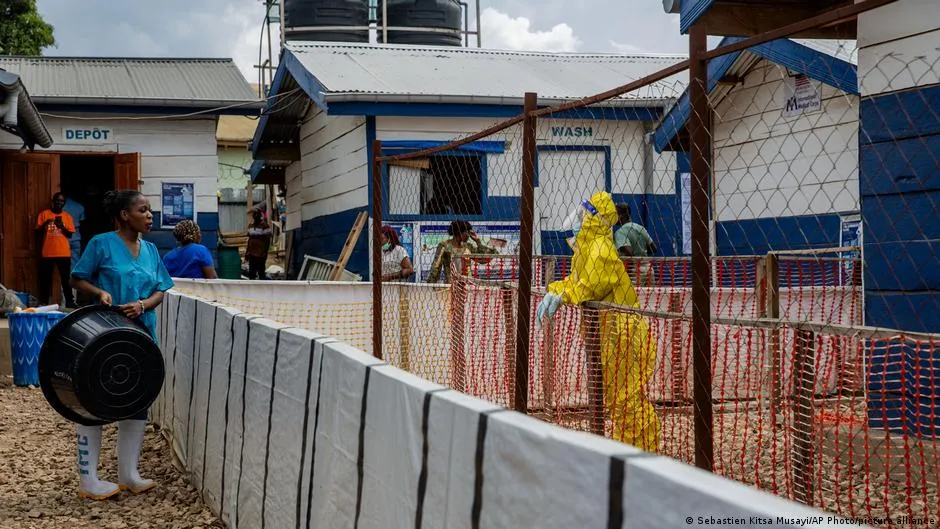
Nigeria confirms first Ebola case in Abuja, a woman just off a Uganda flight
Health Minister Muhammad Ali Pate says the patient flew in from Uganda, putting Africa's latest outbreak on Nigeria's doorstep.