

Oracle lags as ServiceNow and Salesforce surge, despite its OpenAI-linked cloud ties
The software rally lifted many names, but Oracle missed out because OpenAI success also runs through its cloud infrastructure.
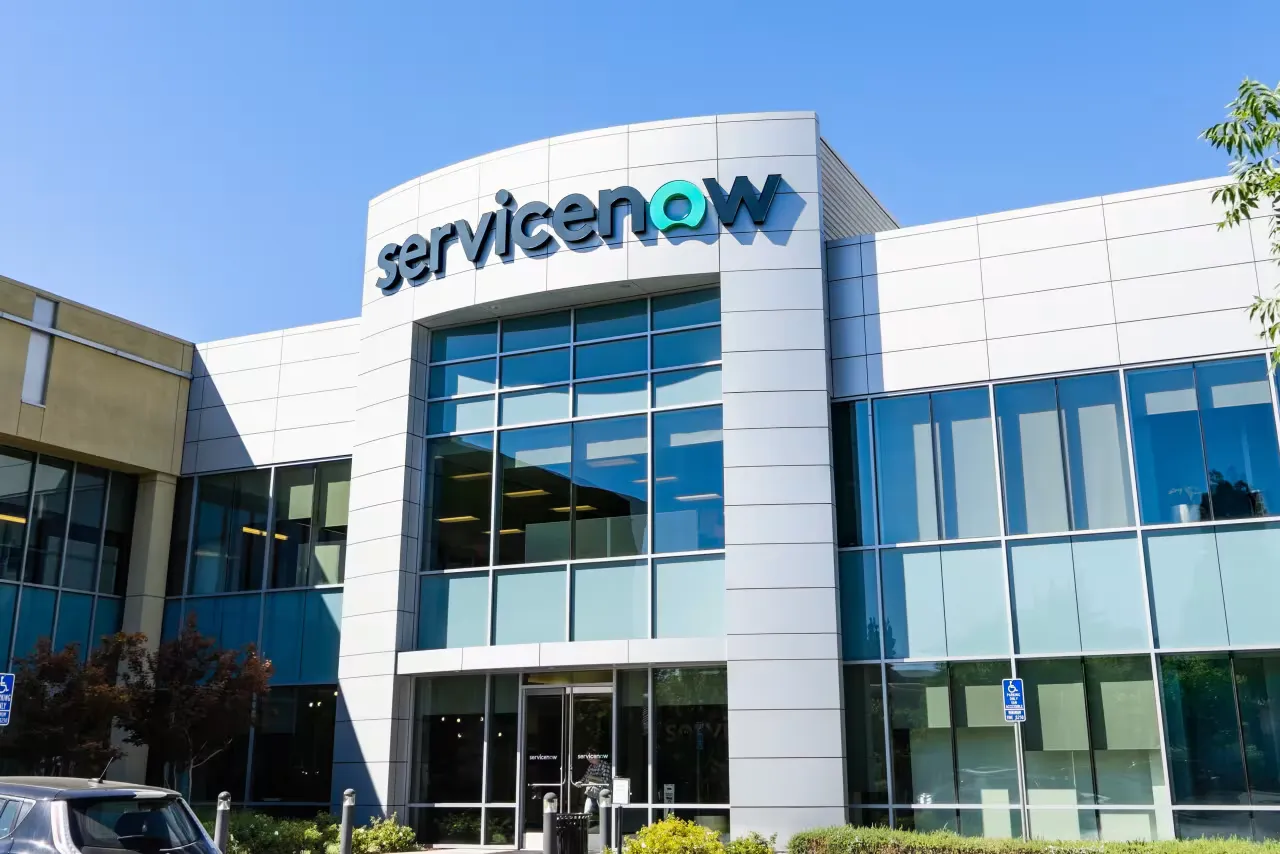
ServiceNow, Salesforce and other software stocks surged as the market’s perceived OpenAI threat weakened, according to the report. Oracle did not join the rally because it is tied to OpenAI’s success through its cloud-infrastructure business.
A broad software rally left plenty of shareholders smiling, but Oracle (ORCL) was the notable miss. While ServiceNow, Salesforce, and other software stocks surged as the OpenAI threat appeared to weaken, Oracle stock did not keep pace.
The key reason is simple, and it is the kind of link that matters when markets reprice AI risk fast: Oracle is tied to OpenAI’s success through its cloud-infrastructure business. So when the market tone turns from “AI disruption is coming” to “the disruption threat is cooling,” software vendors may see clearer upside, while Oracle’s specific positioning does not get the same immediate momentum boost.
To understand why this split is interesting, you have to zoom out to how software stocks typically trade in an AI headline cycle. When investors fear that generative AI will compress margins or automate workflows, they tend to discount companies whose products may be displaced, or they simply rotate away from the entire “enterprise software” basket. But when that feared pressure eases, the trade gets crowded in the other direction. Names tied to productivity, customer operations, and workflow automation can look like beneficiaries rather than casualties, especially when the newsflow implies the AI threat is less severe or less imminent than traders had priced in.
Oracle’s lag fits that pattern, but in a way that feels counterintuitive at first. Most people think of Oracle as a classic enterprise infrastructure and database company, not an obvious consumer of “OpenAI success” narratives. Yet the report’s framing is explicit: Oracle’s stock missed out because it is connected to OpenAI through its cloud-infrastructure business. In practice, that means Oracle is exposed to the AI ecosystem in a different way than pure-play software apps.
This matters because market repricing often happens in categories, not individual fundamentals. If the market believes AI is less of a threat than before, the “software rally” is a category move. Oracle, however, sits at an intersection between software and infrastructure economics, and that intersection can change how investors interpret the same macro message. In other words, when the OpenAI threat weakens, the immediate beneficiaries may be the software names most associated with existing enterprise budgets and near-term deployments. Oracle may still benefit from AI infrastructure demand, but the stock may not surge in the same synchronized way as SaaS incumbents whose earnings outlook is most sensitive to disruption fears.
There is also a second-order implication here for boards and CFOs: investors do not just value companies by what they sell. They value them by what they symbolize in the AI story. Oracle is tied to the underlying infrastructure layer, which can become more of a “picks and shovels” theme. But “picks and shovels” does not always move in lockstep with “enterprise applications” during a rapid sentiment reset. That can create periods where the market’s narrative and the investor’s portfolio logic point in different directions.
Then there is the regulatory background that looms over every AI-linked valuation conversation. While the source does not detail specific regulatory actions in this excerpt, the broader context is that regulators have been scrutinizing AI systems, data usage, and vendor concentration. That environment affects how markets price timelines for AI adoption and risk. In these cycles, traders often swing between optimism and caution based on perceived threat level, even when company fundamentals have not changed overnight. The report’s headline point, that the OpenAI threat weakened, is the kind of market-moving narrative shift that can outpace slower-moving earnings reality.
For decision-makers, the strategic stake is straightforward: your stock does not trade solely on your operating performance, it trades on the market’s story about how you will be impacted by AI competition. ServiceNow, Salesforce and other software stocks surged in this report, which signals that investors were willing to pay up for perceived AI-resilience or AI-enabled growth. Oracle, despite being connected to OpenAI success through its cloud infrastructure, missed the rally.
That divergence is a reminder that AI exposure cuts in more than one direction. If you are an executive at a software company, your board should think about how quickly “threat” narratives can flip into “opportunity” narratives, and how that flip changes capital allocation expectations. If you are at an infrastructure or platform operator, you should anticipate that even positive AI demand signals may not translate into a straight-line stock surge during sentiment rotations. In an AI-driven market, positioning can be the difference between joining the rally and explaining why you did not.
This story's Key Insights and Take-aways are locked.
Create a free account to unlock Executive Actions for one credit.
Register to UnlockAlways free for Executives Club members. Join the Club
More in Technology

Nvidia's $89B data center quarter: the 9 companies cashing in
The AI buildout is minting fortunes beyond GPUs, and memory, cloud, and cooling suppliers are riding the same wave.

Google quietly links your phone number to every Android account on your SIM
Adding a SIM now ties your phone number to all Google accounts - and future accounts inherit it. Here's the security and privacy stakes.

Hijacker AI 'Skynet mode' runs 100,000 attack steps against exposed models
Symantec caught a criminal AI agent that borrows other models, steals data, and mines crypto; the only relief is no confirmed victims yet.