

Oura Ring 5 review says skip the upgrade unless you need sweat-and-fitness details
The Verge frames Oura Ring 5 as a casual health tracker, not the best bet for heavy sweat-focused fitness.
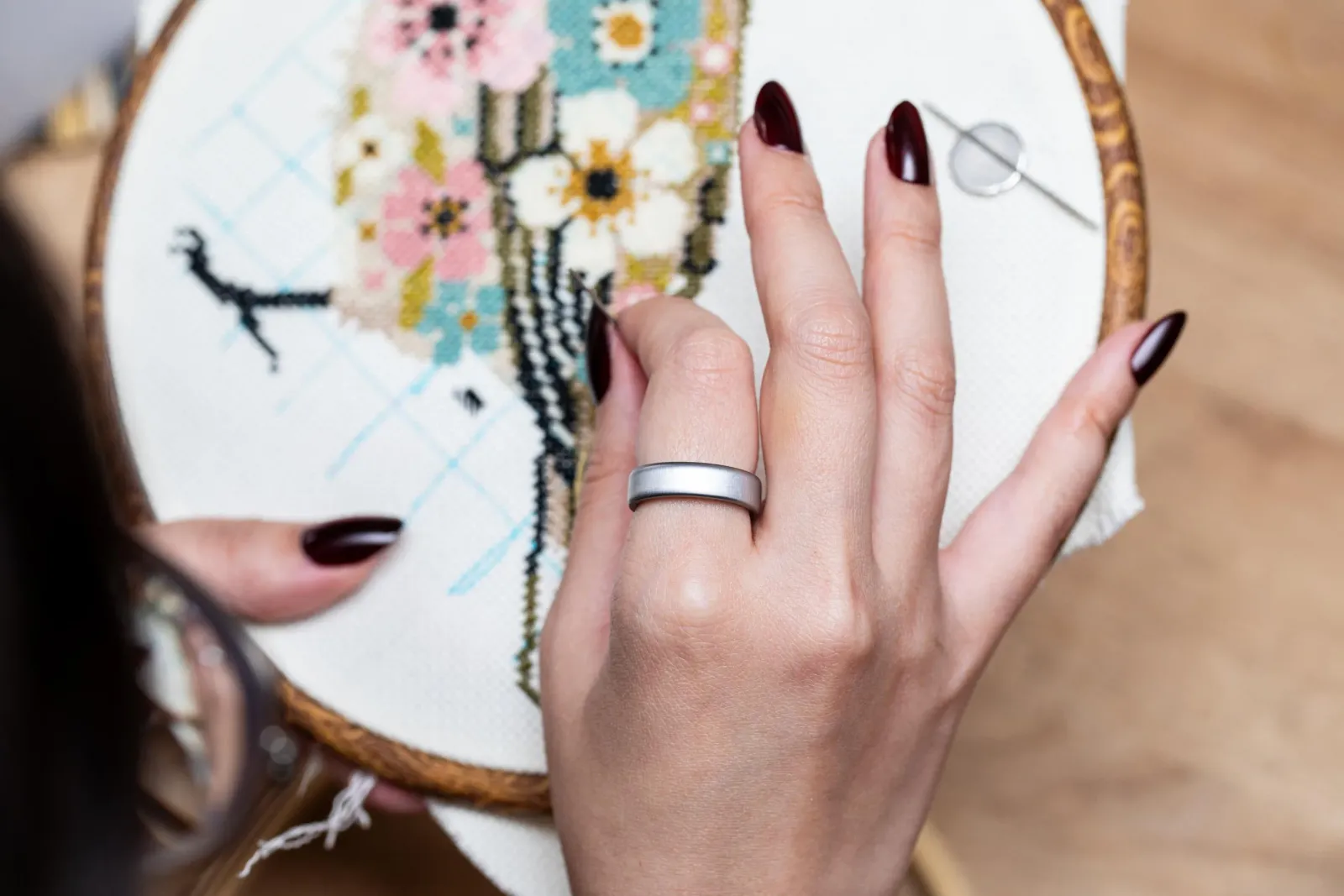
The Verge review of the Oura Ring 5 places it into two upgrade paths: smartwatch alternatives for newcomers and upgrade debates for current Oura users. It argues the Ring 5 is strong for casual health tracking, but the upgrade is unnecessary for many existing owners.
If you are shopping for an Oura Ring 5 because you want a smartwatch alternative, The Verge says it lands as a great casual health tracker. But if you came for deep, sweat-heavy fitness details, the review’s conclusion is blunt: this is not the ring to buy.
The logic is just as direct for existing Oura users. The Verge notes the Oura Ring 4 launched less than two years ago, and a major ceramic version of Oura Ring 4 came out less than a year ago, meaning there has not been a long runway for incremental upgrades. In other words, the Ring 5 sits in a market where the last meaningful jumps were already recent, so the “should I upgrade?” question often answers itself.
That “less is more” framing matters because wearables buying decisions are rarely about one device. They are about what you will actually do every day: check stats quickly, trust the trendlines, and stick with the habit long enough for insights to become behavior. Rings tend to win on comfort and consistency, and the Ring 5 review position reflects that. For many people, the value is not turning workouts into a spreadsheet, it is quietly tracking baseline health signals and staying aware of changes.
Where the review draws the line is also where buyers and teams get real. “Sweat-and-fitness details” is the phrase that signals a different expectation set than “casual health tracker.” Fitness-first users usually want more resolution, more specificity, and more confidence that their metrics map cleanly to performance. When a device is designed to be a light-touch, always-on health companion, it can be excellent at the part that gets used. It can also be the wrong tool if your main job is optimizing training, not just monitoring life.
The decision gets even more interesting because this is not only about hardware, it is about how fast the market has been iterating. The Verge points out that earlier transitions were major: the Oura Ring Gen 3 to Oura Ring 4 brought substantial updates, both in software and in sensors. Then the ceramic version arrived less than a year after, described as a big update again, reinforcing the idea that for current owners, there is no meaningful “quiet period” where upgrades have accumulated.
That history has a second-order implication for anyone who cares about product roadmaps, even indirectly. If software and sensing improvements already landed recently, the next release has to clear a higher bar than a first-time buyer expects. Otherwise, you get a split audience: newcomers who are happy to start with a strong baseline tracker, and existing users who feel the upgrade value is incremental rather than transformative.
There is also a small but telling reminder of how consumer tech lives at the edge of lifestyle culture. The review notes the cross stitch pattern is by NathNolu on Etsy. That is not a technical detail, but it signals something real about wearables adoption. These products are not only analyzed and purchased, they are worn, customized, and integrated into identity. That matters for market share in a category where the device competes against the “I just want something I will keep wearing” problem.
Regulatory background is less central than it is for medical devices, but it still frames expectations. Health trackers sit in a world where companies are careful about claims, and consumers are careful about what they infer. When you are tracking health, you want clarity about what a number means and how confident you should be in it. The Verge’s recommendation logic is consistent with that: a casual health tracker can be valuable without pretending it is the most exhaustive fitness instrument.
So the strategic stake for operators, investors, and founders watching this space is straightforward. The wearable market is not only competing on features. It is competing on timing, messaging, and matching the device to the user’s actual intent. If you are an existing Oura owner, The Verge suggests you do not need to upgrade because the last big hardware and software jumps happened recently. If you are a newcomer, you likely get the best fit by using Ring 5 for casual health tracking, not for the most detailed, sweat-focused fitness experience.
This story's Key Insights and Take-aways are locked.
Create a free account to unlock Executive Actions for one credit.
Register to UnlockAlways free for Executives Club members. Join the Club
More in Technology

Google quietly links your phone number to every Android account on your SIM
Adding a SIM now ties your phone number to all Google accounts - and future accounts inherit it. Here's the security and privacy stakes.

Hijacker AI 'Skynet mode' runs 100,000 attack steps against exposed models
Symantec caught a criminal AI agent that borrows other models, steals data, and mines crypto; the only relief is no confirmed victims yet.

Nvidia's AI-financier shift faces its first big test as neoclouds stumble
A rout in neocloud stocks is forcing investors to weigh Nvidia's hidden exposure as both supplier and lender to the AI buildout.