
Oura's $16B IPO target: September listing could redefine wearables
The smart ring maker is reportedly aiming for a September IPO that could value it at over $16 billion - here's what that means for the wearable market and investors.
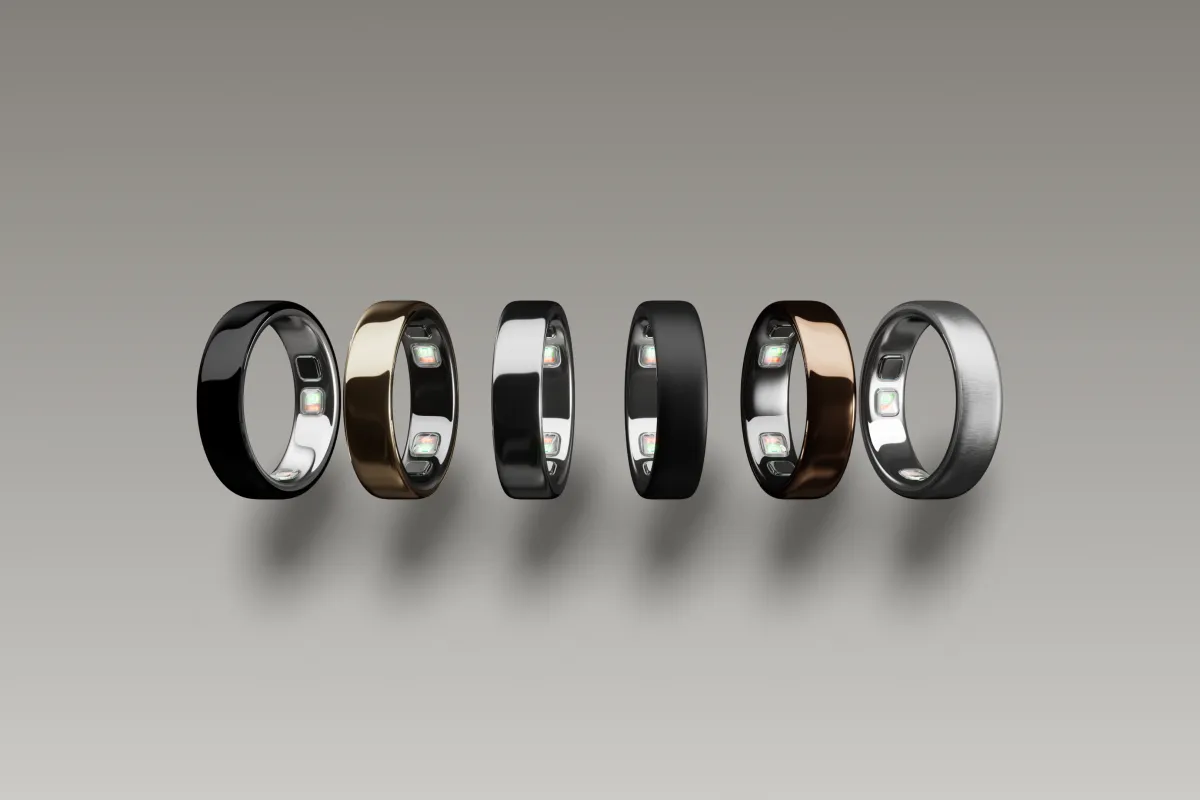
Oura, the Finnish smart ring maker, is reportedly targeting a September IPO with a valuation exceeding $16 billion, according to sources. The listing would mark a major milestone for the wearable health tech sector, signaling strong investor appetite for connected health devices.
Oura is reportedly preparing to go public in September with a valuation north of $16 billion, according to people familiar with the matter. The Finnish company, best known for its sleek smart rings that track sleep, heart rate, and activity, is betting that the wearable health boom has room to run. If the deal goes through, it would be one of the largest consumer hardware IPOs in recent memory - and a clear signal that investors see health tracking as a must-have, not a nice-to-have.
Oura has quietly built a loyal following among athletes, biohackers, and everyday health optimizers. Its rings pack sensors into a tiny form factor that's more comfortable than a wristwatch, and the accompanying app delivers deep insights into recovery, readiness, and sleep quality. The company has sold millions of units, though it doesn't disclose exact figures. What's clear is that Oura has carved out a premium niche in a market dominated by smartwatches - and that niche is expanding fast.
The wearable health market is projected to grow at a double-digit clip over the next five years, driven by an aging population, rising chronic disease rates, and a cultural shift toward proactive wellness. Consumers are no longer satisfied with step counts; they want actionable data on their sleep stages, heart rate variability, and stress levels. Oura's ring delivers that in a package that's easy to wear 24/7, which is a key advantage over wrist-based devices that many people take off at night.
That positioning puts Oura in direct competition with giants like Apple and Samsung, as well as fitness-focused startups like Whoop. Apple has been adding sleep tracking and health sensors to the Watch, while Whoop offers a subscription-based strap with similar recovery metrics. But Oura's ring has a distinct aesthetic and a data-rich platform that has earned it a devoted user base. The company has also expanded into partnerships with healthcare providers and employers, positioning its devices as tools for population health management.
The IPO comes at a tricky time for tech listings. After a two-year drought, the market has shown signs of thawing in 2025, with a handful of high-profile debuts pricing above their ranges. But investors remain selective, favoring companies with clear paths to profitability and defensible moats. Oura's subscription model - which charges a monthly fee for advanced features - provides recurring revenue, a metric that Wall Street loves. The company reportedly generated over $200 million in revenue last year, though that figure hasn't been confirmed.
Still, there are risks. The smart ring category is still young, and consumer adoption could plateau if the novelty wears off. Competition is intensifying, and Apple could easily add a ring to its ecosystem, which would put enormous pressure on Oura's market share. Regulatory scrutiny of health claims is also increasing, and Oura will need to navigate FDA guidelines if it wants to market its devices for medical purposes. Supply chain constraints, particularly around the tiny batteries and sensors used in rings, could also limit growth.
For investors, the IPO offers a rare chance to own a pure-play wearable health company. But the valuation - reportedly $16 billion or more - implies that Oura is already priced for perfection. That's a steep ask for a company that still relies heavily on consumer discretionary spending. If the broader economy stumbles, health tech could feel the pinch. Yet the long-term trend is undeniable: people are taking charge of their health, and they want data to guide them. Oura is at the forefront of that movement.
For consumers, the IPO could mean more innovation and potentially lower prices as Oura scales. It could also attract more competitors, which is good for choice but bad for margins. The real test will come after the listing, when Oura must prove it can sustain growth and fend off bigger rivals. If it succeeds, the smart ring could become as ubiquitous as the smartwatch. If it stumbles, the $16 billion valuation will look like a peak. Either way, September is shaping up to be a defining month for the wearable industry.
This story's Key Insights and Take-aways are locked.
Create a free account to unlock Executive Actions for one credit.
Register to UnlockAlways free for Executives Club members. Join the Club
More in Technology

doubleAI's Maxwell rewrites code while it runs, claims 38x speedups
The Tel Aviv startup's code execution model formally verifies optimizations, turning AI into an agent for the hardware itself.
Saudi military official paid to fly OpenAI bugging suspect's family out, prosecutors say
A court filing says a Saudi military official funded the family's exit and Riyadh offered bail, putting foreign-influence risk squarely on AI boards.
AI researcher's 26,000-word claim: Neural nets aren't tangled after all
Nick Cammarata's Goodfire post has the AI world split - if he's right, monitoring frontier models just got a lot easier.